Read More











Some 2,000 small pets - including hamsters, chinchillas, guinea pigs and rabbits - are to be culled and all pet shops closed temporarily.
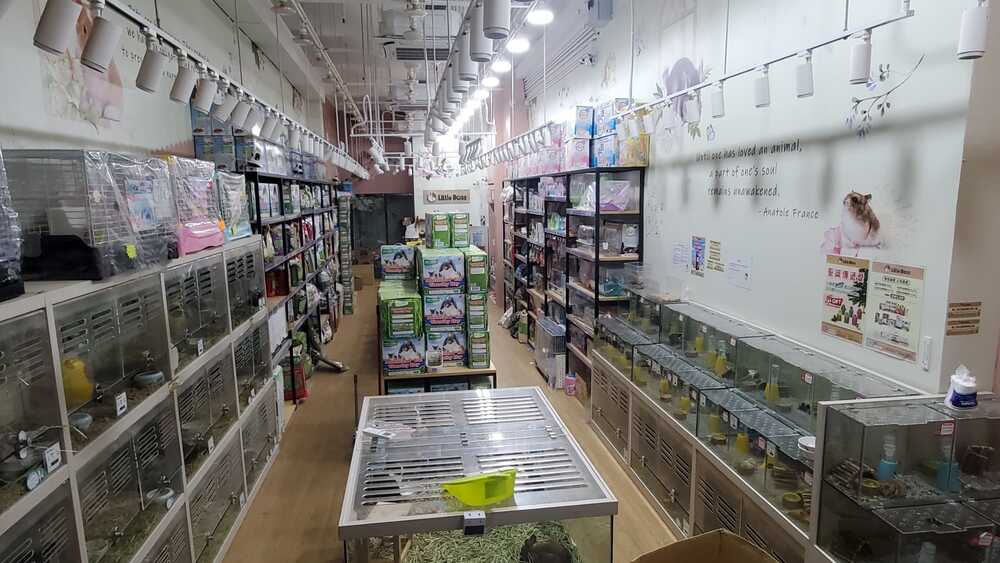
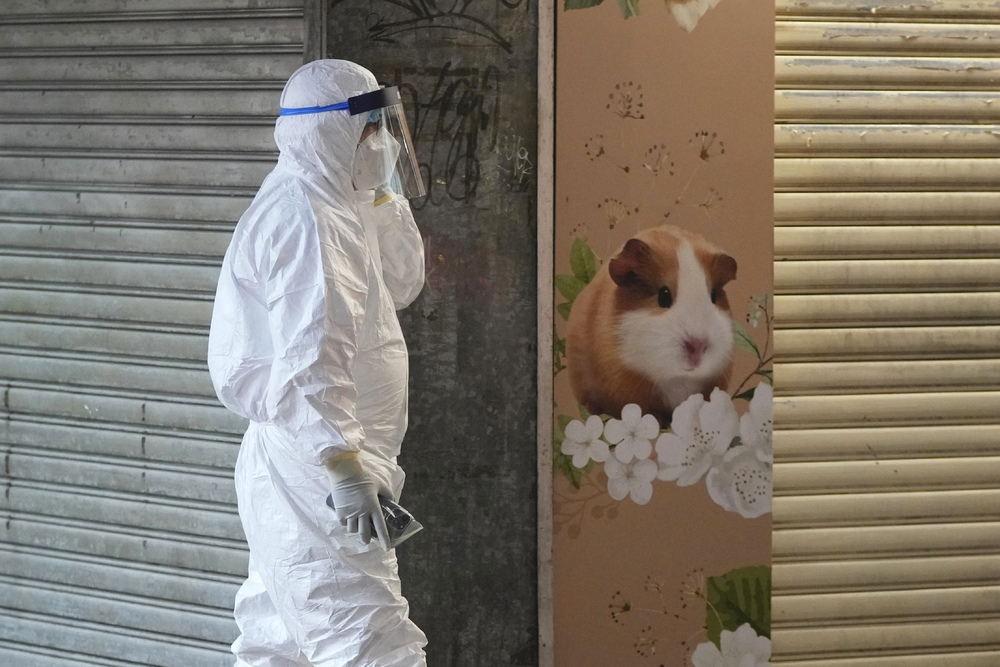
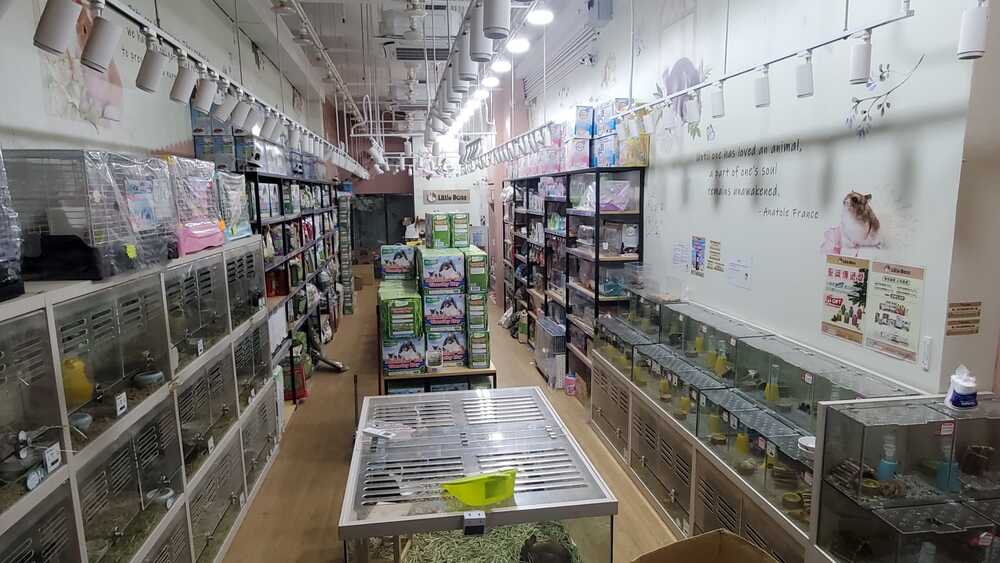
That will come after several hamsters tested positive for Covid-19 virus at a Causeway Bay pet shop where an infected employee was working, leading to a view that a first animal-to-human transmission of the coronavirus could have been recorded in Hong Kong.
Authorities have also stopped the sale and import of hamsters immediately, though it is not known how long the ban will last.
Government officials issued the order yesterday after 11 samples taken from hamsters came back positive for Covid-19 and a 67-year-old retired woman and her husband came down with the virus after the woman went to the Little Boss pet store in Causeway Bay.
A 23-year-old saleswoman was earlier diagnosed as the SAR's first untraceable Covid-19 Delta infection in more than two months.
Animals are to be tested before being put down, authorities said, adding that hamsters will be culled regardless of a test result.
Although health authorities admit there is "no evidence" pets can transmit the coronavirus to humans, people who bought hamsters from the Causeway Bay shop after January 7 will be traced and put in mandatory quarantine as a precautionary measure.
All pet stores selling hamsters must also cease operations while around 2,000 small animals are culled in a humane manner.
Director of Agriculture, Fisheries and Conservation Leung Siu-fai said yesterday that authorities took 125 samples from 78 hamsters, chinchillas, guinea pigs and rabbits inside the Causeway Bay pet shop, and 11 samples taken from hamsters tested positive.
They also collected more than 500 samples from the company's Tai Po storage facility.
Some environmental samples including cages tested positive. Other results are pending.
Leung said two batches of hamsters being targeted in particular were imported from the Netherlands on December 22 and January 7.
Over 1,000 hamsters sold at Hong Kong's 34 pet shops that sell the animal will be put down along with another 1,000 small animals from the Tai Po warehouse.
Leung also said all owners who had bought hamsters since December 22 are "strongly advised" to turn over the animals to be tested and put down.
"We have assessed the risks of these batches are relatively high and therefore made the decision based on public health needs," Leung said.
And hamster owners will be sent to Penny's Bay quarantine center if their pets test positive before being culled.
But he said those who refuse to hand pets to the Agriculture, Fisheries and Conservation Department will not be breaking the law.
Asking people to hand hamsters to the AFCD was not a way to confiscate pets, Leung said. "It's just our appeal."
There were also appeals for owners not to abandon hamsters on the street and for people to maintain hygiene after touching their pets.
An assistant director of agriculture, fisheries and conservation, Thomas Sit Hon-chung, said no animal-to-human transmission has been recorded anywhere.
"But you need to realize and understand that now the hamsters have been infected they can infect other animals - other hamsters and human beings. So we don't want to cull all the animals, but we need to protect public health and animal health. We have no choice."
He also said government health experts and advisers, including Yuen Kwok-yung, David Hui Shu-cheong and Gabriel Leung Cheuk-wai, also "strongly agreed" with a need to eliminate hamsters.
Yuen said the decision to cull 1,000 hamsters was "decisive" and "wise" as it could prevent a possible new variant spreading across the world from Hong Kong.
He said a negative testing result would not mean a hamster is not infected due to incubation periods involved, and authorities were not able to conduct tests for thousands of hamsters every day.
The 67-year-old newly infected woman customer bought a hamster at the Causeway Bay shop on January 4 with her daughter and visited the shop on January 8 again to buy a cage and pet supplies, health authorities said yesterday.
Chuang Shuk-kwan, head of the Centre for Health Protection's communicable disease unit, said the woman lives with family members in Aberdeen and has received two doses of the mainland-made Sinovac vaccine.
The woman suffered from headaches on January 12 and started coughing on January 14. She visited a doctor and tested positive for the virus.
Family members have been sent to Penny's Bay. Her daughter, who visited the pet shop with her, has so far tested negative but her husband tested preliminary positive yesterday.
Health authorities believe the woman contracted the virus on January 8 when she had contact with the infected saleswoman, Chuang said.
All customers who visited the shop from January 7 to 15, except January 10 when the saleswoman was on leave, must be tested.
Chuang said the infected saleswoman was involved in 143 transactions. Authorities have obtained contact details of more than 110 customers and will try to find the others.