Read More



Morning Recap - June 23, 2026
4 hours ago

Night Recap - June 22, 2026
13 hours ago
HK's transport system enters a new phase
22-06-2026 06:00 HKT
Carine Chow
People who are having cannabis-extract, health products sent to Hong Kong should check if they are pure for if not they could be in for a high jump.
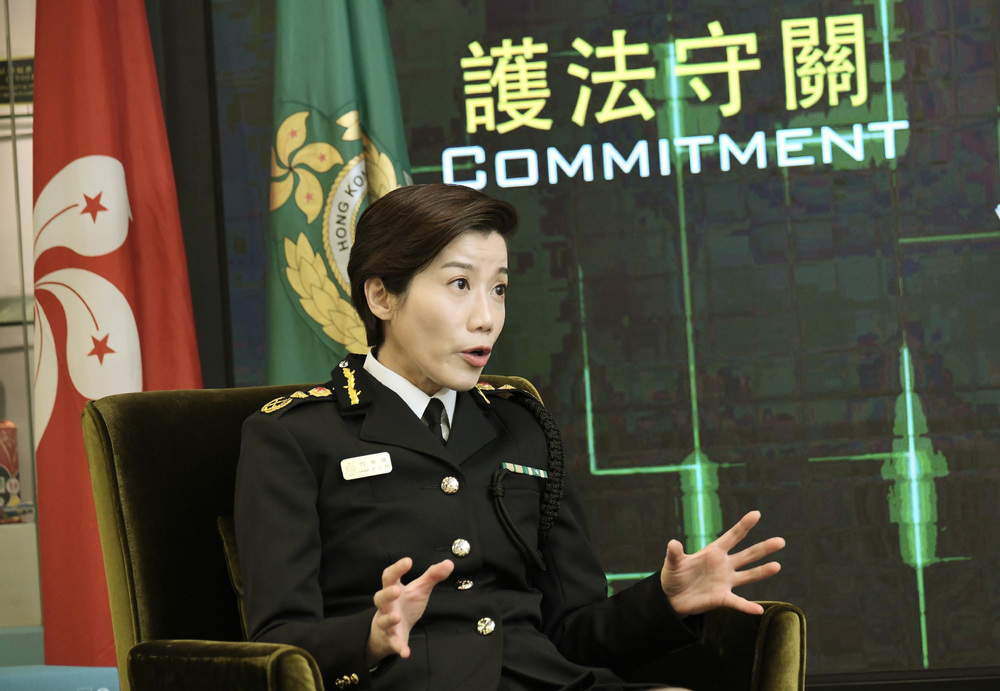
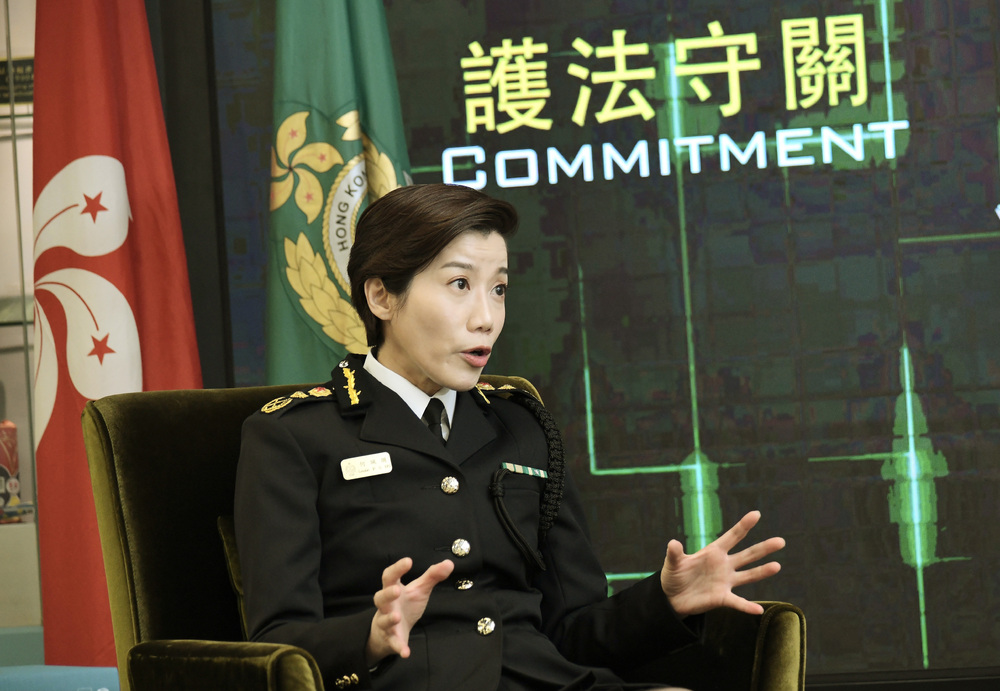
The warning comes from Commissioner of Customs and Excise Louise Ho Pui-shan, who points to it being illegal to import products with residues of the addictive THC, or tetrahydrocannabinol, the main psychoactive substance in cannabis.
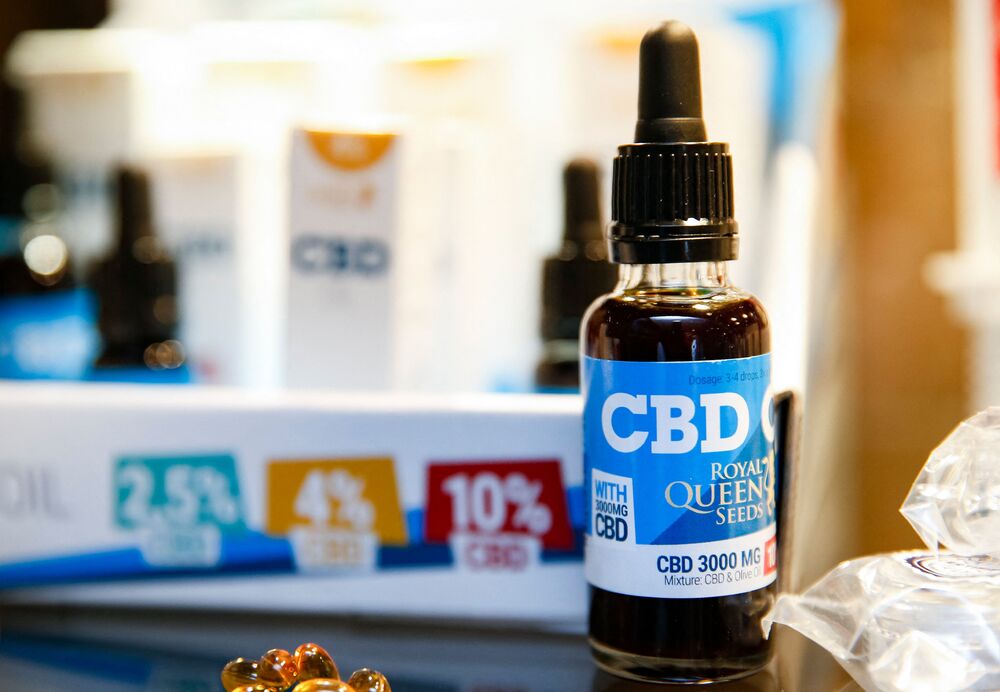
Ho said also authorities could consider regulating CBD, or cannabidiol, the non-psychoactive chemical compound extracted from cannabis or industrial hemp.
Often marketed for its stress-relieving properties and other health benefits, CBD has become a hot trend in Hong Kong. Shops and restaurants selling such products and CBD-infused food and beverages have sprouted over the past year.
However, during the extraction of CBD there can be traces of tetrahydrocannabinol remaining.
While it is legal to consume, purchase and import CBD as it is not controlled under the Dangerous Drugs Ordinance, any products containing THC of any concentration is regarded as dangerous under the ordinance.
In an interview with The Standard, Ho said customs officers keep a sharp eye on trends and movement of dangerous drug-related activities, and enforcement action on CBD-claimed products in particular have been stepped up at ports since the legalization of cannabis in some jurisdictions.
Using existing specialized equipment for cannabis, preliminary drug tests are conducted on CBD-claimed products to check for the presence of THC.
If there are shipments with such traces, Ho said, officers "conduct in-depth investigations including looking into who the receiver is and how the parcels will be used."
Citing Hong Kong's zero tolerance policy against drugs, she said a small fraction of CBD products seized by customs officers have contained THC residues. These include food, beverage, confectionery and external coating products.
Products seized also come from various places but notably North America and Europe. Under the ordinance, trafficking in dangerous drugs carries a maximum fine of HK$5 million and life imprisonment. For illegal possession other than trafficking or consumption of dangerous drugs, penalties can be up to seven years' imprisonment and a fine of HK$1 million.
On whether there should be legislation regulating the use of CBD products, Ho said: "As there are various types of CBD products [in the market], ranging from food to cosmetic goods and to oil, which involve many industries and sectors, it will need more studies as to what kind of regulations would be considered as suitable."
Ho also said she knows many parents are concerned about the CBD trend.
So far, however, customs officers have not seized any parcels containing cannabis that are claimed to be CBD products, Ho said. "We will certainly keep a close eye on whether there are people who try to smuggle products in disguise," she added.
Ho advised people to seek information from sellers about the ingredients of CBD products and not to buy or use a product if in doubt.
Meanwhile, having taken up the reins of the Customs and Excise Department since October 21, Ho said she did not encounter many difficulties in daily work given her years of experience in the department.
But she said that this was a busy month with the Legislative Council elections on December 19 and Customs "actively participating" in providing manpower support at polling stations, including ones at the three cross-border points.
Ho also said customs officers are currently busy with preparing for a border reopening by conducting drills with other departments.
"Based on the border reopening schedule, we will deploy [officers now working on cargo shipments] back to their original passenger ports in batches," she said.
More training will also be provided to officers given that they were moved from passenger ports nearly two years ago.
Customs has also been conducting daily checks with X-ray machines and specialized equipment for use at ports to ensure equipment is ready for a border reopening.
carine.chow@singtaonewscorp.com