Read More






Night Recap - May 21, 2026
5 hours ago




ImmD crackdown targets moonlighting domestic helpers arresting 17
19-05-2026 17:52 HKT

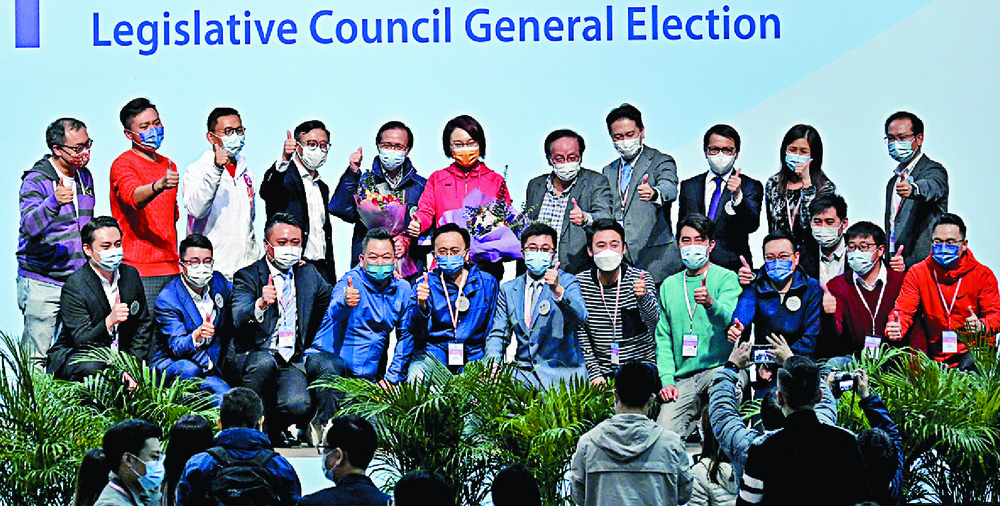
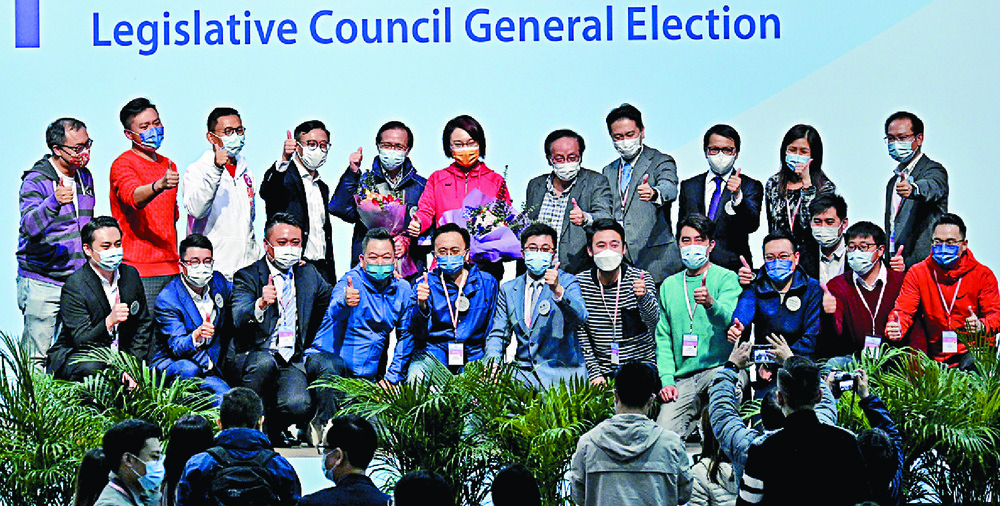
Pro-establishment candidates took 89 of the 90-seat, patriots-only new Legislative Council, with the Democratic Alliance for the Betterment and Progress of Hong Kong still the biggest party in the chamber after grabbing 19 seats in Sunday's elections that were marked by a historic-low voter turnout.
Despite its numbers, however, the DAB does not have enough seats to become the dominant party.
And that, reckoned one analyst, meant the central government's Liaison Office in Hong Kong will be a force behind the scenes in the legislature, responsible for coordinating voting.
The DAB's seats in the council come from one in each of the 10 geographical constituencies, four in functional constituencies and five in the new Election Committee constituency.
The Federation of Trade Unions becomes the second largest party with eight seats followed by the Business and Professionals Alliance for Hong Kong with seven.
The New People's Party, which had two seats in the previous council, now has five.
So the Liberal Party is the weakest traditional establishment party with four seats - the same as after the 2016 elections - despite the total number of seats increasing from 70 to 90. So it will be even less influential in the chamber.
The election results also mean that DAB will need to gather support from other lawmakers in the three constituencies if it is to lead the way in the passage of administration bills. A bill will require a simple majority of members present in a meeting to pass.
As for bills introduced by legislators, they will need a majority from two groups of members - the Election Committee constituency and the geographical and functional constituencies combined.
To influence voting in the chamber, the DAB will have to reach out to other pro-establishment parties.
And party chairwoman Starry Lee Wai-king said she is satisfied with 19 seats, including securing 10 seats with over 680,000 votes or 51.4 percent of the total votes in the geographical constituencies.
Although the biggest winner in Sunday's polls, Lee accepted the DAB must collaborate with other parties, blocs and individual legislators "if we want to be more influential or push the government to accept our political philosophy, which is to seek innovation and change.
"We will also proactively collaborate with different lawmakers and blocs to resolve deep-rooted problems, develop the economy and fulfill citizens' expectations."
Ivan Choy Chi-keung, a senior lecturer in government and public administration at the Chinese University of Hong Kong, said the election results showed Beijing did not aim for a landslide victory for one party so it could dominate the legislature.
"The DAB actually did not do exceptionally well," Choy remarked.
"There are a lot of independent and scattered candidates entering the legislature, showing that Beijing is happy to see the legislature consisting of parties minding their own business."
Rather, Choy said, Beijing will be content to see the Liaison Office in Hong Kong as the "whip" in the legislature, responsible for coordinating votes.