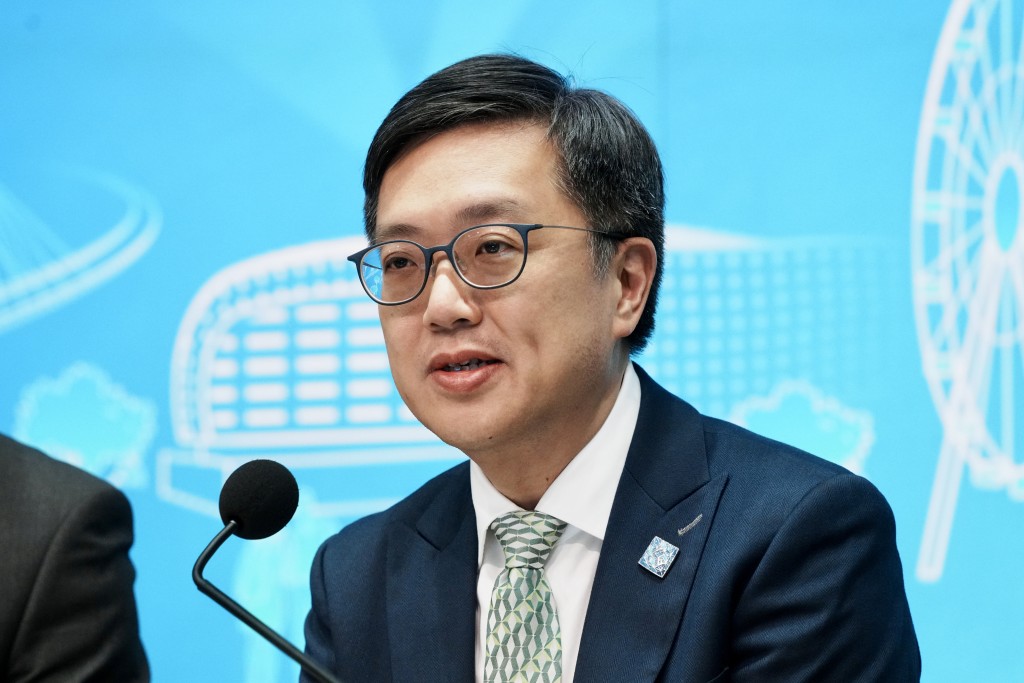
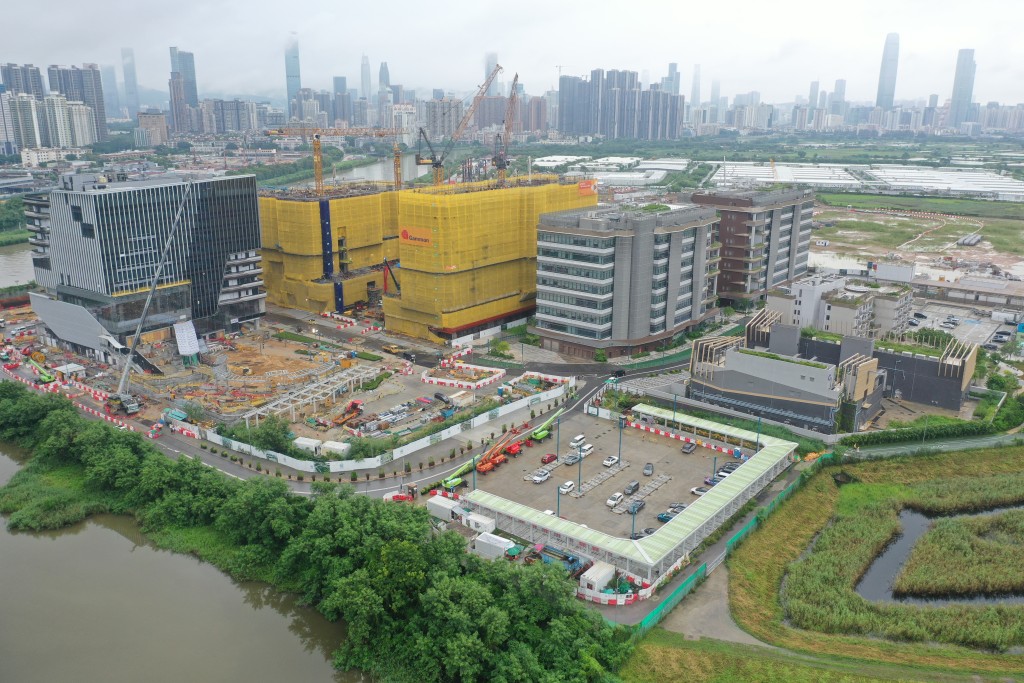
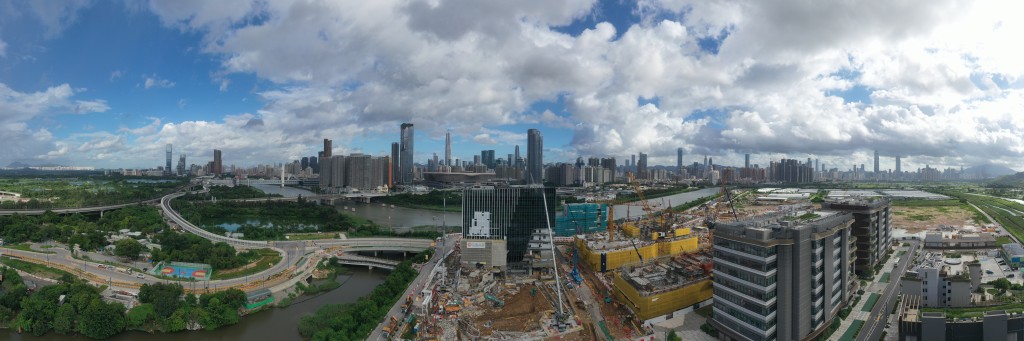
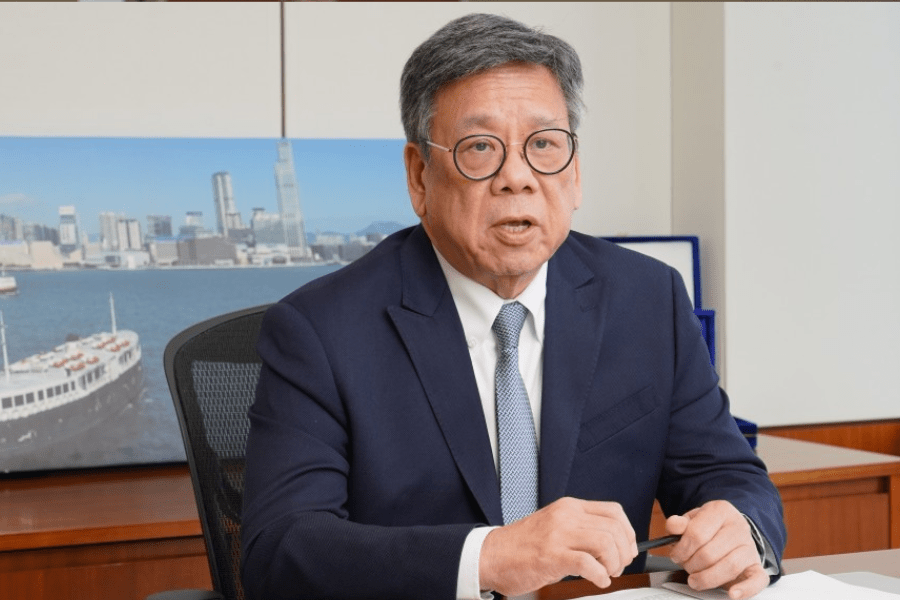
The Hong Kong-Shenzhen Innovation and Technology Park has drawn strong interest in its tender for four land parcels, with first-round results expected before November, according to the Park’s chairperson Kevin Choi Kit-ming.
His remarks follow two rounds of tendering in June and July for four land parcels in Phase 1 of the park.
In an interview with local media, Choi said the four plots received six bids from five companies, including cutting-edge firms in quantum, chip and artificial intelligence fields, as well as large conglomerates.
With the second round of tenders closing this month, he remains confident, saying the market now understands the government's determination that industry matters more than the price tag.
He pointed to the strong participation from different companies as a very positive signal and expected the first-round results would be announced before November.
The short-term goal, he said, is to test market interest in supporting facilities such as hotels and exhibition space in the near future.
Meanwhile, Choi reported that the "Western Cross-River Link Bridge Project" linking the two parks in Hong Kong and Shenzhen is expected to be completed next year. With Hong Kong and Shenzhen having basically agreed on a whitelist system, he expects cross-border talent flow to become possible next year.
On capital flow, he said Hong Kong has provided preliminary proposals to relevant mainland authorities.
He added that two sides have broadly agreed on the direction, principles and steps for cross-border data and biological sample flows, with the Hong Kong Park collecting application scenarios to submit to the mainland.
Looking ahead to innovation and technology development in the Northern Metropolis, Choi said the Hong Kong-Shenzhen park will focus on research, while the San Tin Technopole will handle pilot production and small-scale manufacturing.
Given that a clear division of labour is taking shape in the Northern Metropolis, Choi said the goal is to speed up development while focusing on quality as well as quantity.
The Greater Bay Area's manufacturing strength will back Hong Kong's research and pilot production, while Hong Kong's talent and global reach can drive the region's innovation, he said.