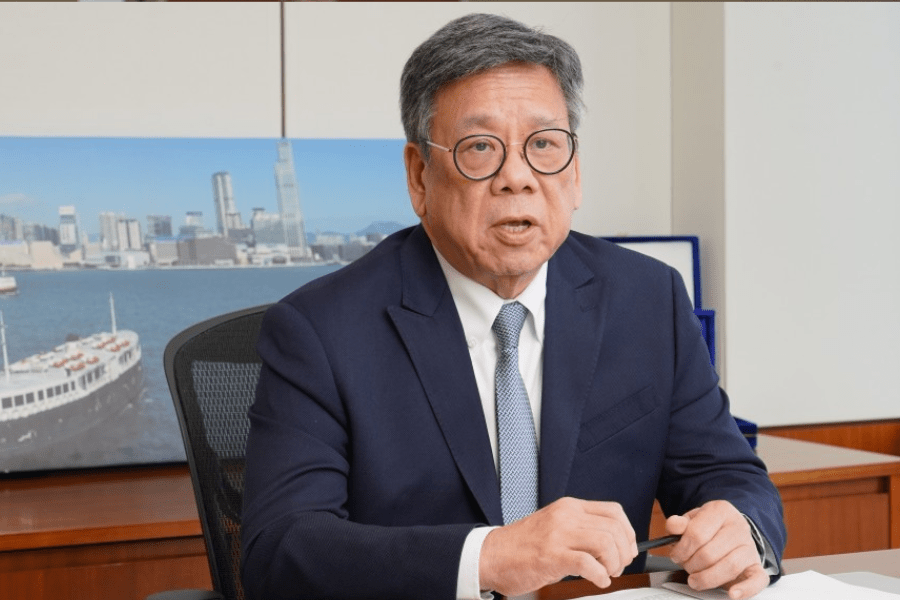
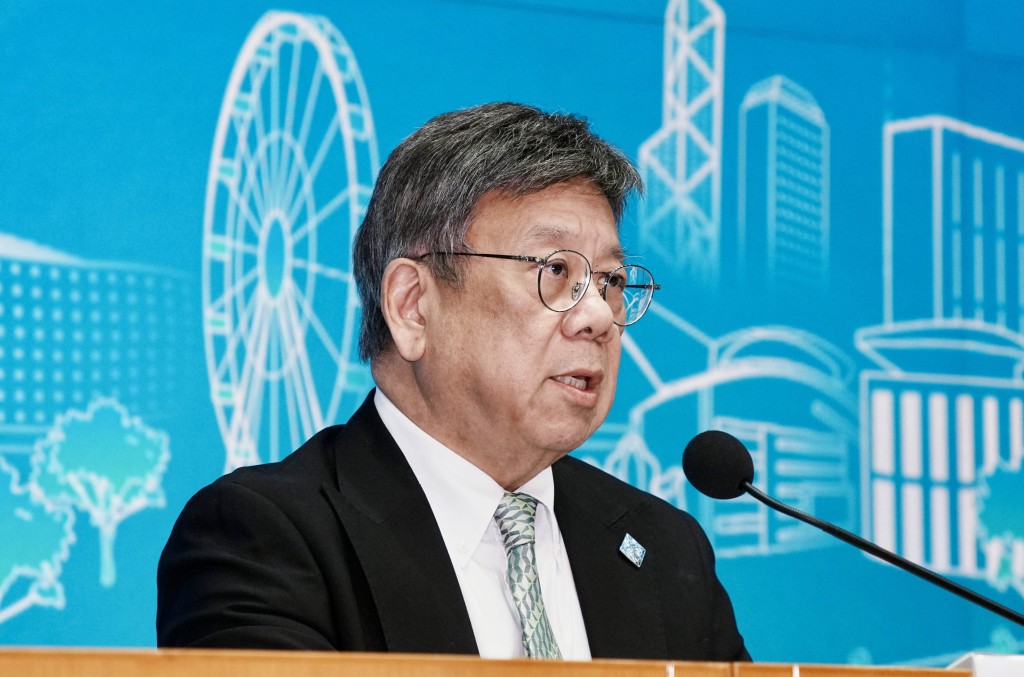
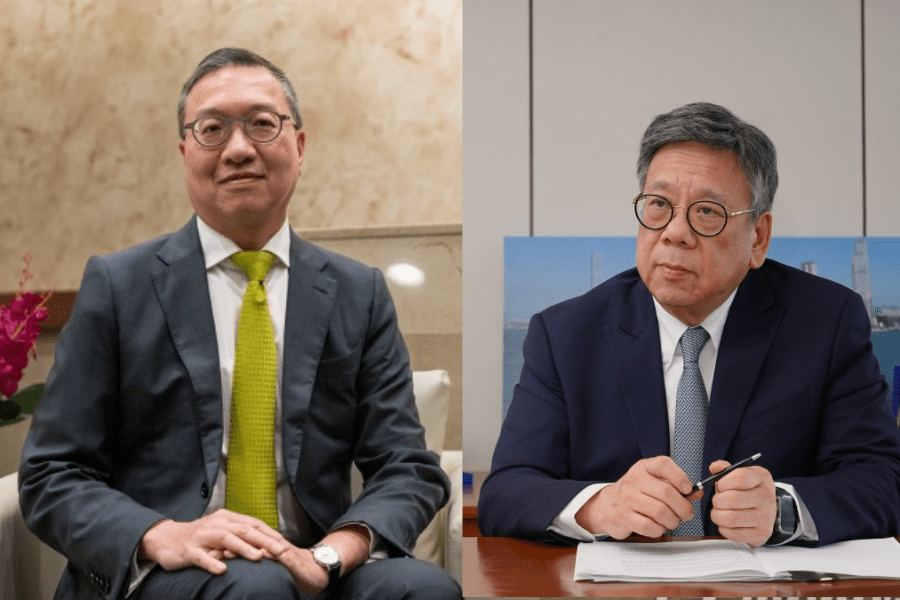
The ASEAN-Hong Kong investment agreement will offer greater protection and certainty for investors while encouraging two-way investment, Secretary for Commerce and Economic Development Algernon Yau Ying-wah said on Monday.
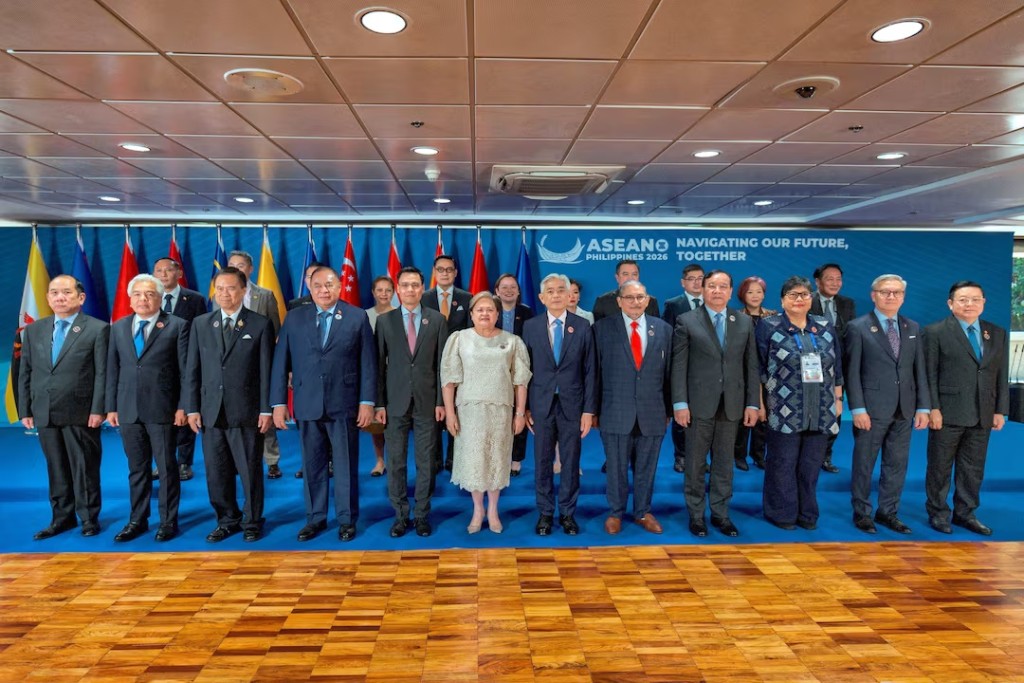
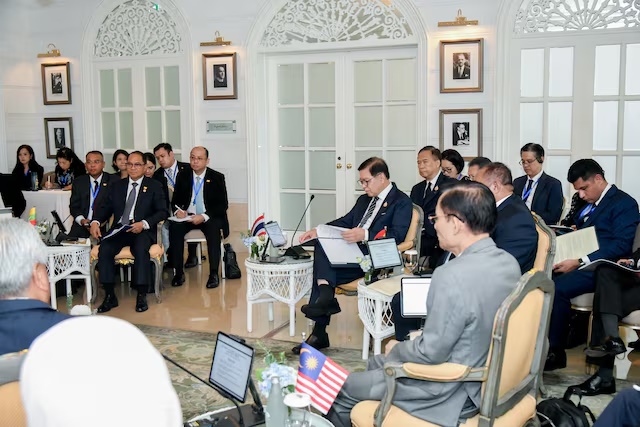
His remarks came a day after Hong Kong and ASEAN representatives signed a protocol to amend the ASEAN-Hong Kong Investment Agreement in Manila.
The protocol incorporates schedules of reservations that will allow provisions on national treatment and most-favored-nation treatment to take effect.
Once implemented, Hong Kong enterprises and their investments in non-services sectors will receive treatment no less favorable than that accorded to local or other foreign investors in the 10 ASEAN states covered by the agreement, except in areas specifically reserved.
Speaking on a radio program this morning, Yau said the arrangement would enhance investor confidence and provide greater protection for companies operating between Hong Kong and ASEAN markets.
He said stronger investment ties could also benefit Hong Kong by attracting ASEAN companies to establish operations in the city and use it as a platform to access the mainland and the Guangdong-Hong Kong-Macao Greater Bay Area.
Yau also said Hong Kong would continue pursuing a comprehensive upgrade of the Closer Economic Partnership Arrangement with the mainland.
He said the planned third revision of CEPA could allow overseas companies that establish qualifying operations in Hong Kong to enjoy the same CEPA treatment as local companies when entering the mainland market. Products manufactured in Hong Kong that meet the relevant origin requirements could also qualify for tariff-free access.
Yau said attracting more companies to Hong Kong could create jobs while generating demand for financing, professional services and capital-market activity.
SMEs urged to tap five-year plan and new policy measures
Yau also pointed to Hong Kong’s first Five-Year Plan, released alongside the 2026 Policy Address, as a framework for strengthening the city’s competitiveness and aligning its development with the National 15th Five-Year Plan.
The five-year blueprint covers areas including international trade, financial services, innovation, intellectual property, aviation and shipping.
He said Hong Kong’s trade performance in recent months had been supported by shifts in global trade patterns and growing demand linked to artificial intelligence, particularly in electronics.
However, Yau said many small and medium-sized enterprises still needed to transform their operations to keep pace with changing market demand.
Government bodies including the Hong Kong Trade Development Council, Hong Kong Productivity Council and other agencies provide advisory and matching services to help SMEs adopt technology, upgrade their businesses and apply for support programs, he said.
Yau also cited growing economic links with Central Asia as examples of Hong Kong’s efforts to develop new markets.
Kazakhstan’s national oil and gas company KazMunayGas this month placed 3.5 billion yuan worth of dim sum bonds on the Hong Kong Stock Exchange following a roadshow in the city.
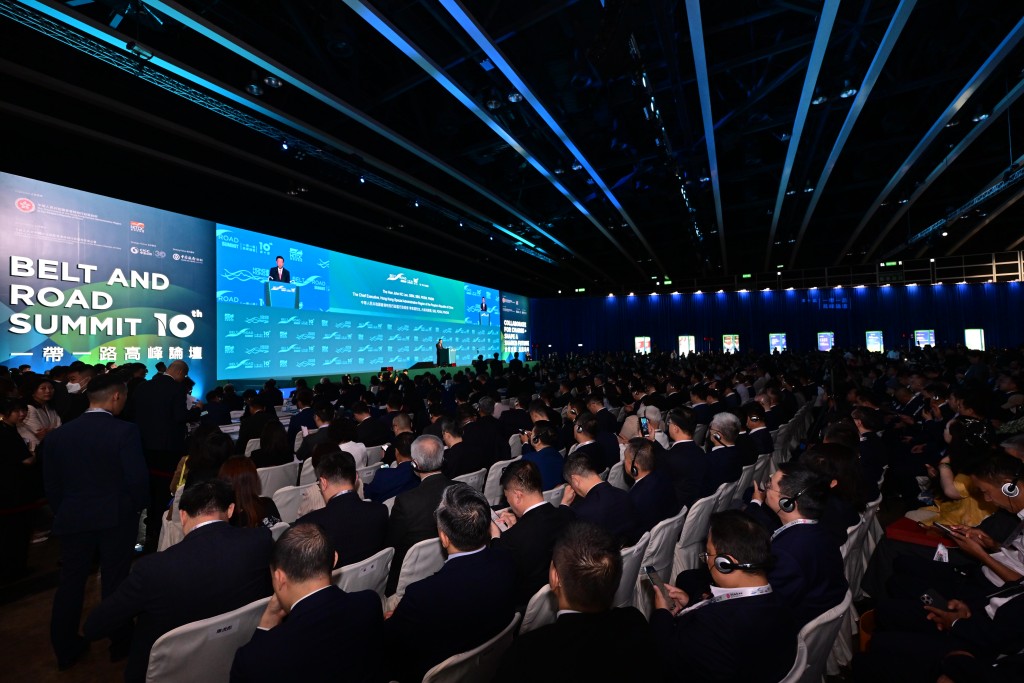
Kazakhstan’s state-owned railway operator Kazakhstan Temir Zholy is also pursuing a Hong Kong listing, while Uzbekistan’s Navoi International Airport signed a strategic cooperation agreement with Hong Kong-based Harvest Epoch Strategic Investment during the Belt and Road Summit to develop logistics and e-commerce links.
Yau said the GoGlobal Task Force, established last year to support mainland enterprises expanding overseas, had helped more than 300 mainland companies establish or expand operations in Hong Kong.
He said their presence could generate employment, fundraising activity and demand for Hong Kong’s professional services.
Yau also highlighted the city’s transport and logistics strengths. Hong Kong ranks first globally in air cargo volume, while its international shipping center ranks fourth worldwide, according to the government’s first Five-Year Plan.