Read More






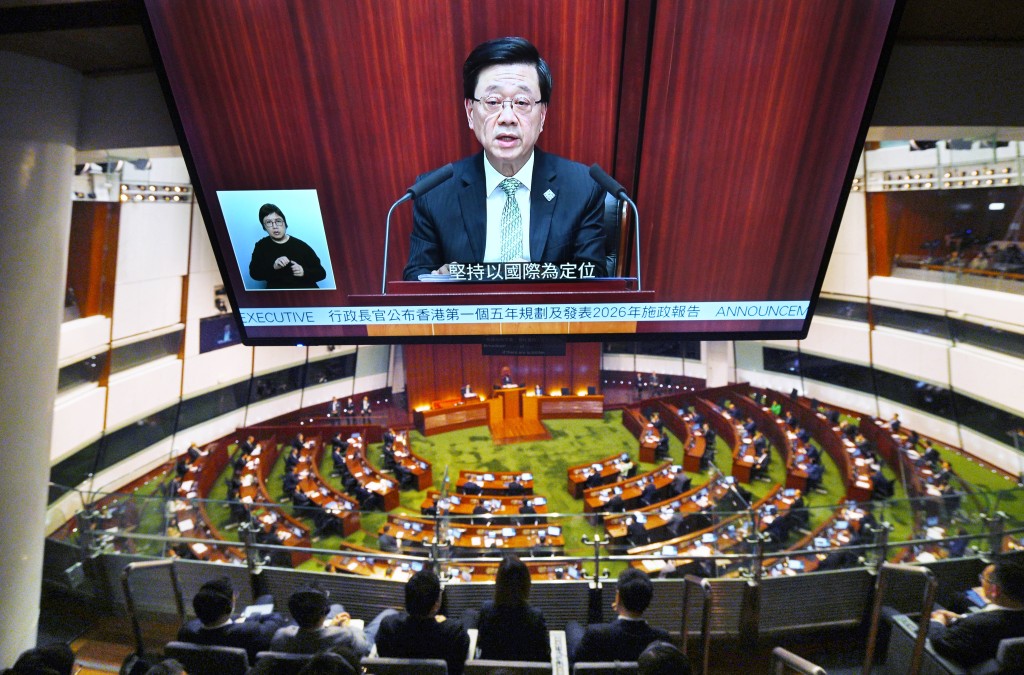




Hong Kong aims to strengthen its efforts in proactive decarbonization, green transformation, and ecological protection over the next five years to build a green and liveable city, according to the city’s First Five Year Plan.
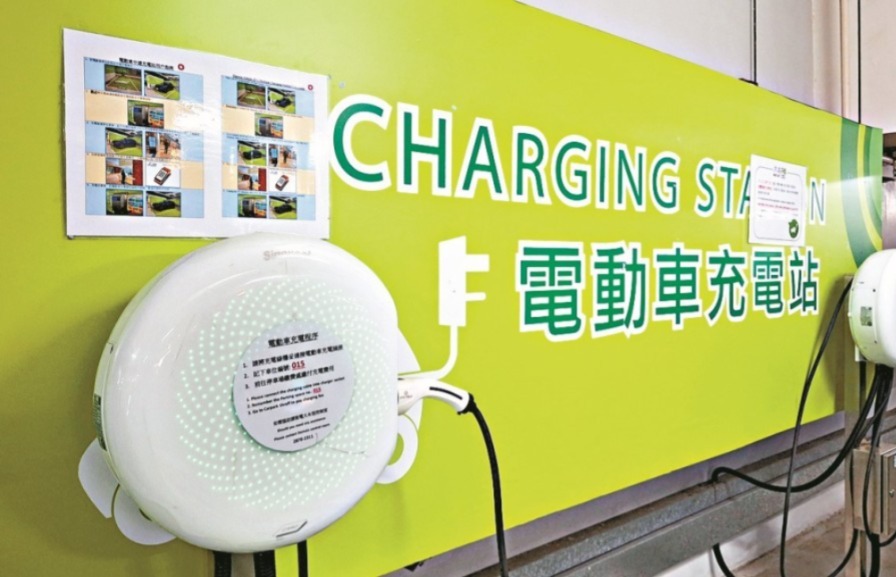
The roadmap highlights that the construction of a ChaoJi charging demonstration station in Hong Kong will be completed in 2027, with the target of ceasing new registrations of fuel-propelled private cars, including hybrid vehicles, in 2035 or earlier.
The number of fast chargers is set to increase to 4,000 by 2030 and is expected to further rise to around 10,000 by 2035, supporting approximately 500,000 electric vehicles.
The authorities will also introduce smart and green mass transit systems, with construction works for these systems in Kai Tak, East Kowloon, Hung Shui Kiu (HSK), and the South Island Line (West) commencing progressively from 2027.
Furthermore, Hong Kong will establish a certification system for green hydrogen and low-carbon hydrogen standards in 2027 that connects with the mainland and the rest of the world to promote its international application.
Chief Executive John Lee Ka-chiu stressed the efficient utilization of clean energy transmission pathways and the country’s clean, low‑carbon, safe, and efficient new energy system,
"We will progressively increase the share of zero carbon energy in the local fuel mix of electricity generation to achieve the goal of ceasing the use of coal for daily electricity generation by 2035, and increase the share of zero carbon energy in the fuel mix of electricity generation to about 60 to 70 percent," Lee said.
Regarding the improvement of the ecological environment, the government will implement a management system of ecological protection red lines.
Lee stressed that by 2030, the city will maintain at least 40 percent of the total terrestrial area as terrestrial protected areas, and at least 20 percent of the total marine area as marine protected areas and other effective area-based conservation measures.
Other initiatives include strengthening collaboration with relevant mainland provinces and municipalities to jointly conserve cross-border ecology and migratory animals, reviewing and enhancing legislation to strengthen enforcement against the smuggling and illegal trade of endangered species, and protecting cetaceans found in Hong Kong waters.