Read More


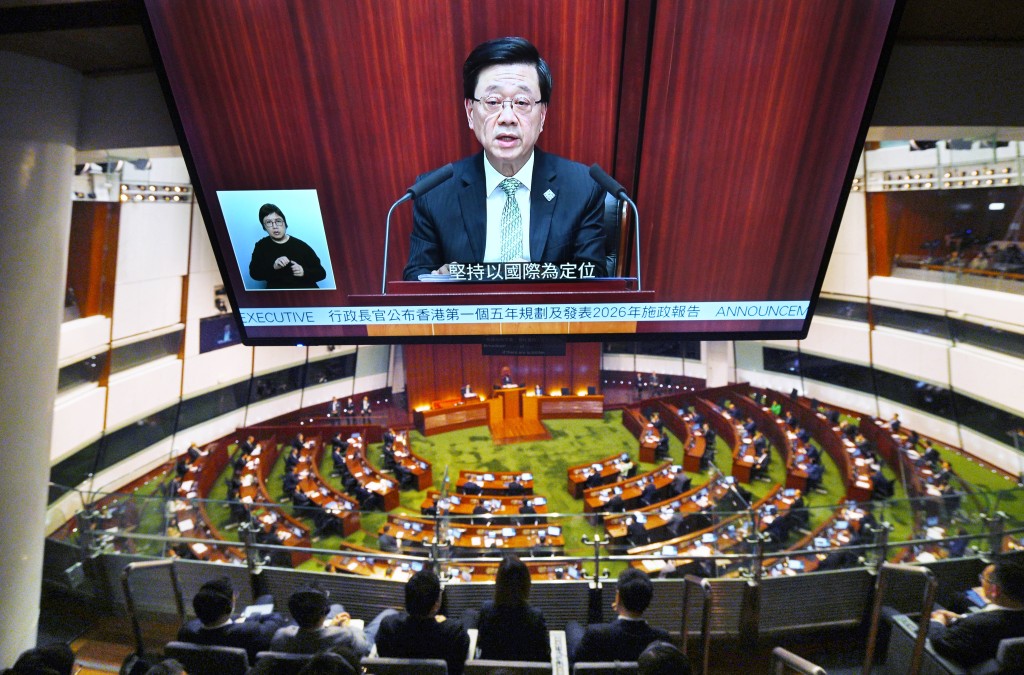



Hong Kong will develop an East-meets-West Center for International Cultural Exchange with an advanced “Sports + Mega Events” strategy.
The government said the Blueprint for Arts and Culture and Creative Industries Development will be fully implemented to promote our profound traditional Chinese culture and to develop cultural content with a distinct Hong Kong identity.
The government is committed to establishing the Chinese Culture Experience Center and a museum showcasing China’s development and achievements, while forging close collaboration between the Hong Kong Palace Museum and the Palace Museum.
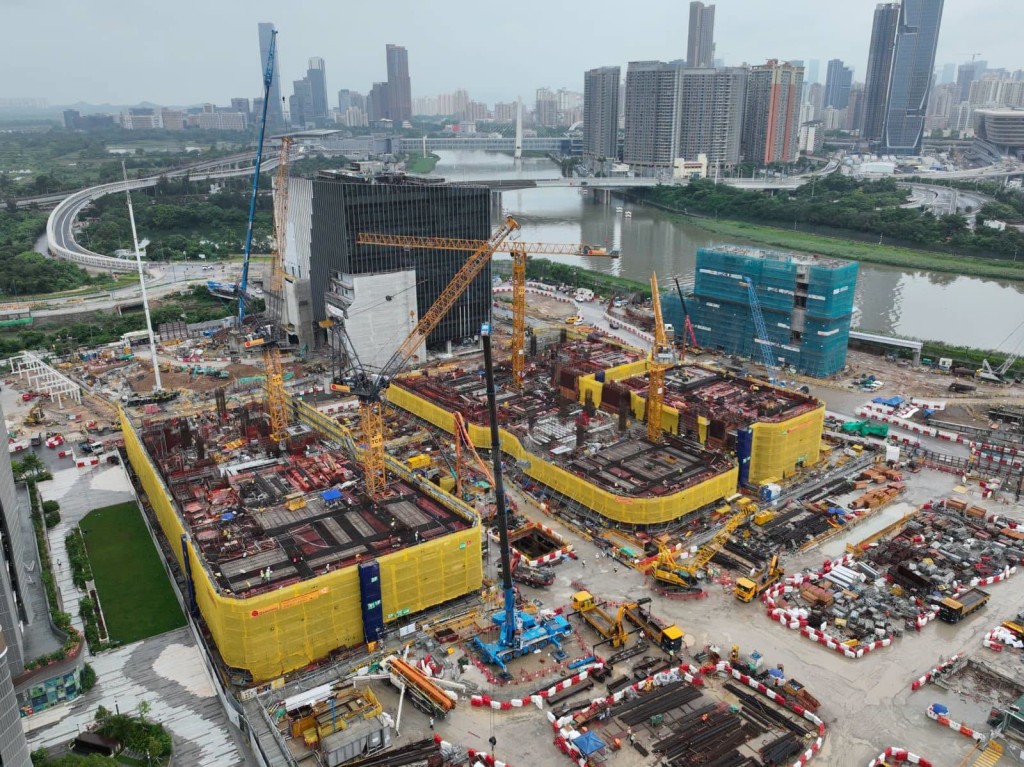
It will support the sustainable development of the West Kowloon Cultural District so the district can build on its strengths and contribute to Hong Kong’s culture and creative-industry value chain.
The government will also foster the sustainable development of Hong Kong’s film industry and strengthen the influence of Hong Kong pop culture across Chinese-speaking communities.
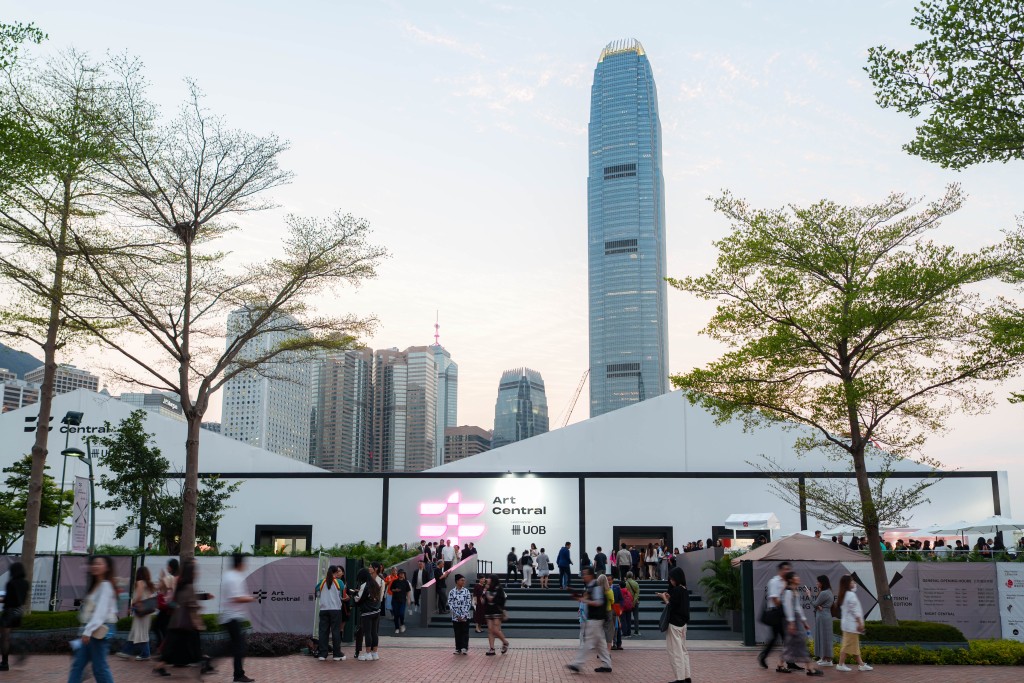
Meanwhile, the government will enhance Hong Kong’s role as an international arts trading platform and deepen collaboration with Art Basel to consolidate the city’s position as the region’s exclusive host venue.
To strengthen the cultural and creative talent pool, the authorities will support the Hong Kong Academy for Performing Arts and the West Kowloon Cultural District Authority in nurturing local arts practitioners, while reforming the funding mechanism for arts groups. Market mechanisms will be used to attract greater private-sector participation and investment.
Hong Kong will also strengthen collaboration among local and Mainland arts organizations, museums, theatrical troupes, and film and television production teams for the co-production and touring of performances and exhibition programs, and attract internationally renowned artists and cultural organizations to work with Hong Kong.
The government will support local performing-arts, cultural, and creative sectors in staging performances and exhibitions outside Hong Kong, while facilitating the overseas promotion of Mainland cultural works and intangible cultural heritage to foster deeper understanding and recognition of Chinese culture across Mainland and overseas communities.
It is expected that by 2030, the value added of the arts, culture, and creative industries will reach HK$170 billion, and the number of employed persons will increase to 228,000.
As for promoting sports in the community, the government will step up support for the development of team sports, align with the country’s direction of promoting the “three big-ball games”, football, basketball, and volleyball, and leverage Hong Kong’s strengths in its traditional sports strongholds.
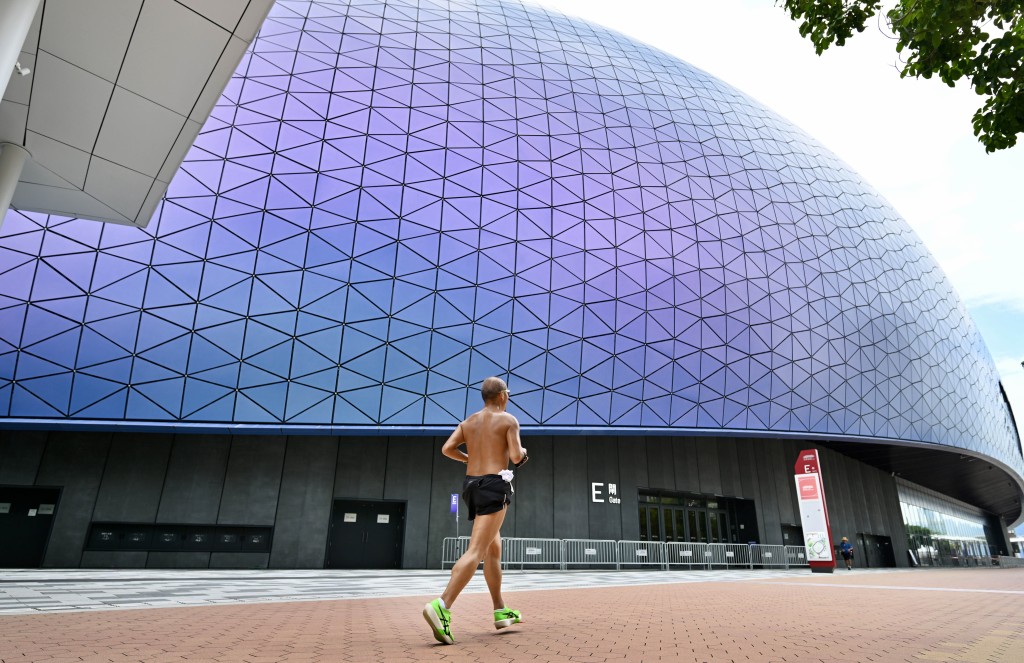
The administration will also enhance the overall sports-infrastructure landscape. It will leverage the strategic positioning of the Kai Tak Sports Park as the largest integrated sports, leisure, and entertainment landmark in Hong Kong, review the development potential of existing large-scale venues, and strategically plan for new sports facilities.
It will make full use of the Kai Tak Sports Park and the “M” Mark System to support the staging of more diverse and higher-tier major international sports competitions and events in Hong Kong, and it will also pursue hosting single-sport competitions at national, Asian, and international levels.
Resources allocated to sports development will increase cumulatively by 20 percent, and the number of full-time elite athletes will increase cumulatively by 20 percent over the next five years.
To spur the development of related industries and professional venue services, the government will advance “Sports + Mega Events” development, including international mega football events. The value added of sports and related activities at basic prices will increase cumulatively by 10 percent over the next five years.
The government will deepen thematic travel experiences and promote festive events with distinct local and international characteristics to highlight Hong Kong’s East-meets-West cultural edge. It will also add more routes for city walks, foster horse-racing tourism, promote Hong Kong’s culinary offerings, expand and strengthen annual flagship events, and enhance connections and cooperation with world-renowned wine-producing regions.
It will also attract cruise lines to deploy ships to Hong Kong and leverage the city as the homeport. It will actively explore potential source markets and sustain collaboration with ports in the Guangdong–Hong Kong–Macao Greater Bay Area. The government will fully capitalize on Hong Kong’s coastline and abundant island resources to develop island-hopping tours and other water-sports activities.
The government will actively develop the yacht economy. It will accelerate the development of yacht-berthing facilities to provide more yacht berths and attract more visiting yachts to Hong Kong.
It will also implement facilitation measures for the northbound travel of yachts from Hong Kong and the southbound travel of yachts from Guangdong, including authorizing relevant organizations in Mainland cities to conduct examinations on knowledge of Hong Kong waters, as well as providing recognized short-term training courses and assessments for masters of visiting yachts.
The government will develop a core demonstration zone for multi-destination tourism. It aims to become the southern gateway for overseas visitors entering the Mainland by making good use of cross-boundary infrastructure to facilitate visitors’ further extension of itineraries to the Guangdong–Hong Kong–Macao Greater Bay Area and other provinces and municipalities. It will deepen cooperation with the Mainland and industry partners, and step up promotion in traditional source markets such as the United States and Canada, as well as other high-potential markets such as the Middle East, ASEAN, and other parts of Asia and Europe.
The government will enhance tourism services by bolstering infrastructure and ancillary facilities. This includes launching a new specialized tourist-guide licensing program to improve the professionalism of tourist guides and upgrading Muslim-friendly facilities, with a focus on improving service quality.
It is estimated that the value added of the tourism industry will increase from HK$86.2 billion in 2024 to HK$126 billion in 2030, while the number of employed persons will increase from 159,700 in 2024 to about 203,000 in 2030.
By 2030, the proportion of non-Mainland visitors among overnight visitors will increase to 40 percent, the plan expects.