Read More


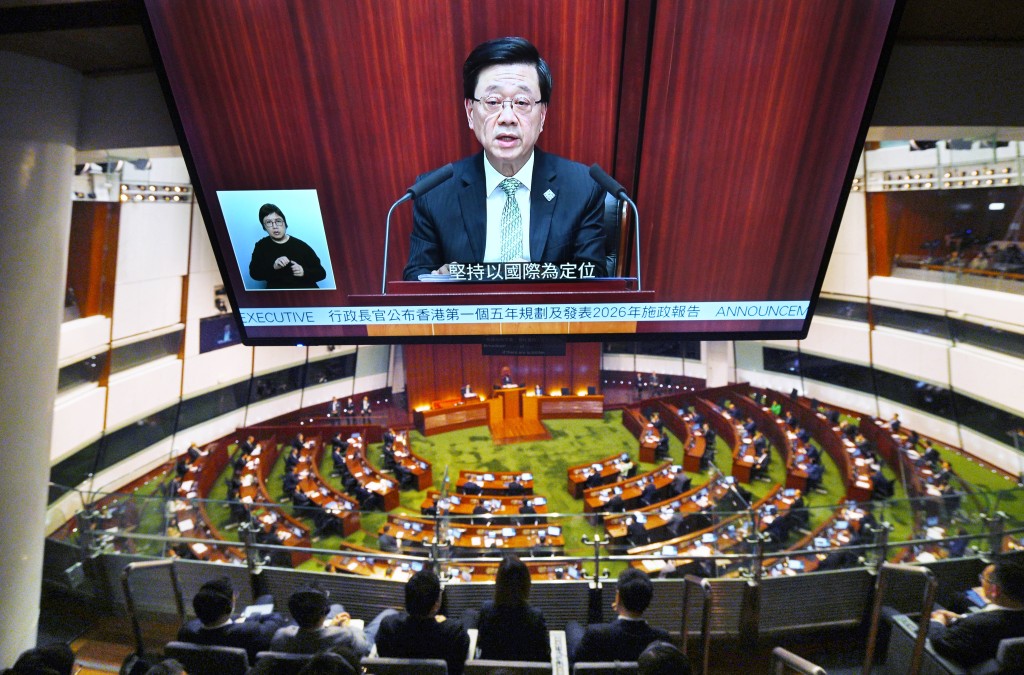
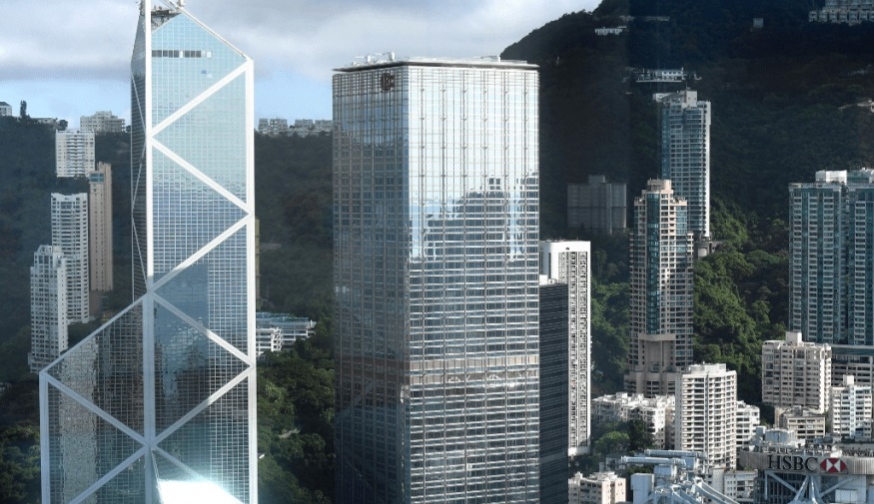
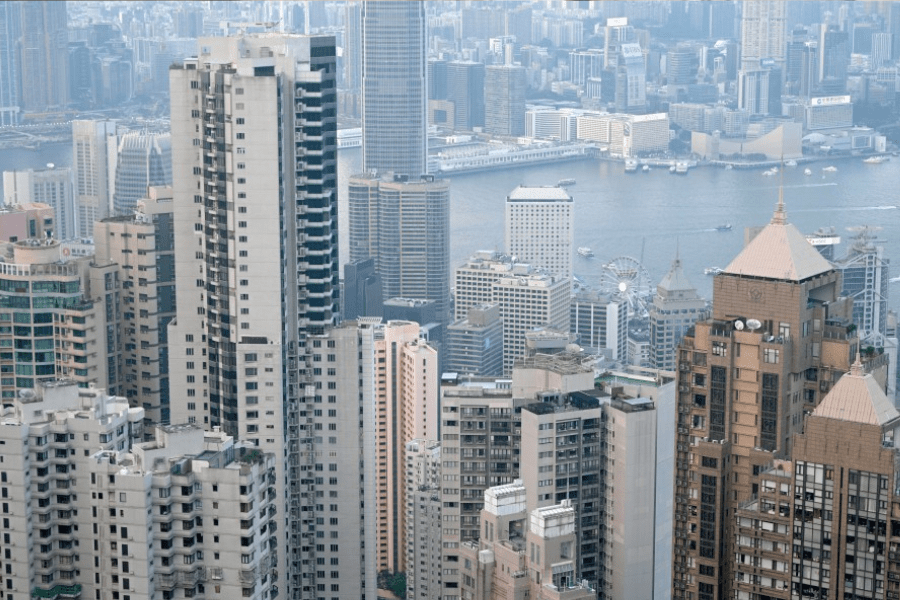
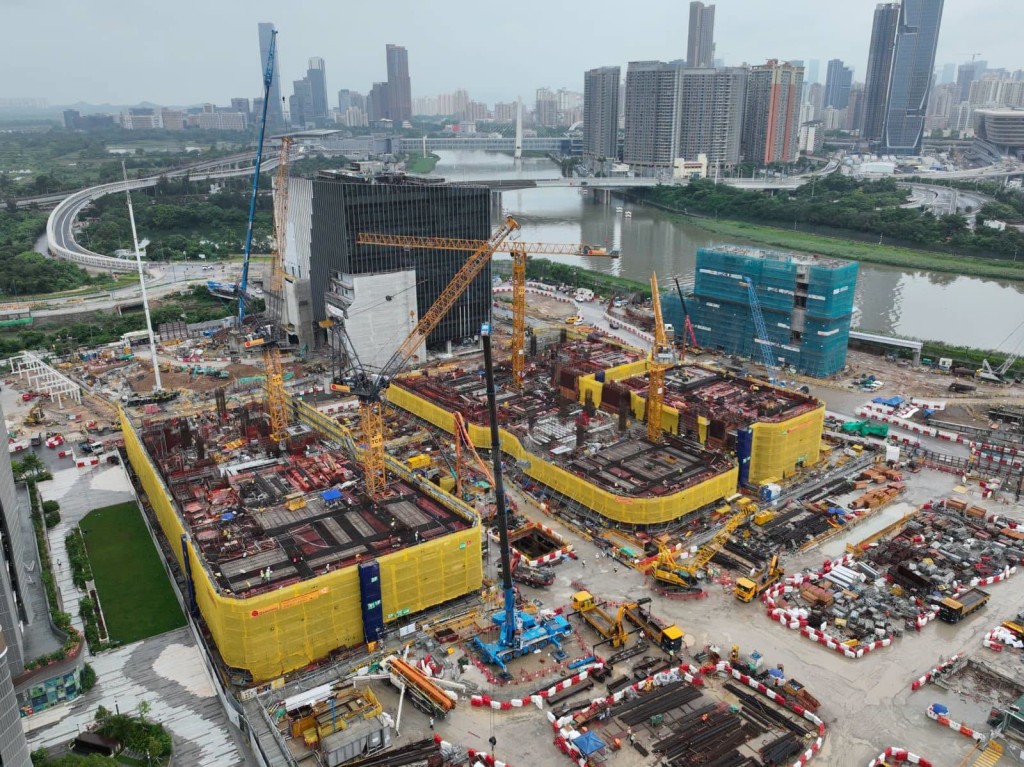







Hong Kong has outlined key initiatives to consolidate and enhance its status as an international shipping center and aviation hub under the government’s first five-year plan for 2026-2030.
Under the plan, the city aims to transition from a tonnage-based port into a high-value port by maintaining container throughput, boosting value-added services, and strengthening industrial synergy. Authorities will drive digital transformation and green transition in maritime trade, while deepening high quality collaborative development with mainland and international shipping ports.
To build a high value-added maritime services ecosystem, the government plans to reform the Hong Kong ship registration regime. The move leverages the city’s established maritime service advantages—including ship management, ship financing, marine insurance, and maritime arbitration services—to spur the upgrade of high value-added maritime services clusters.
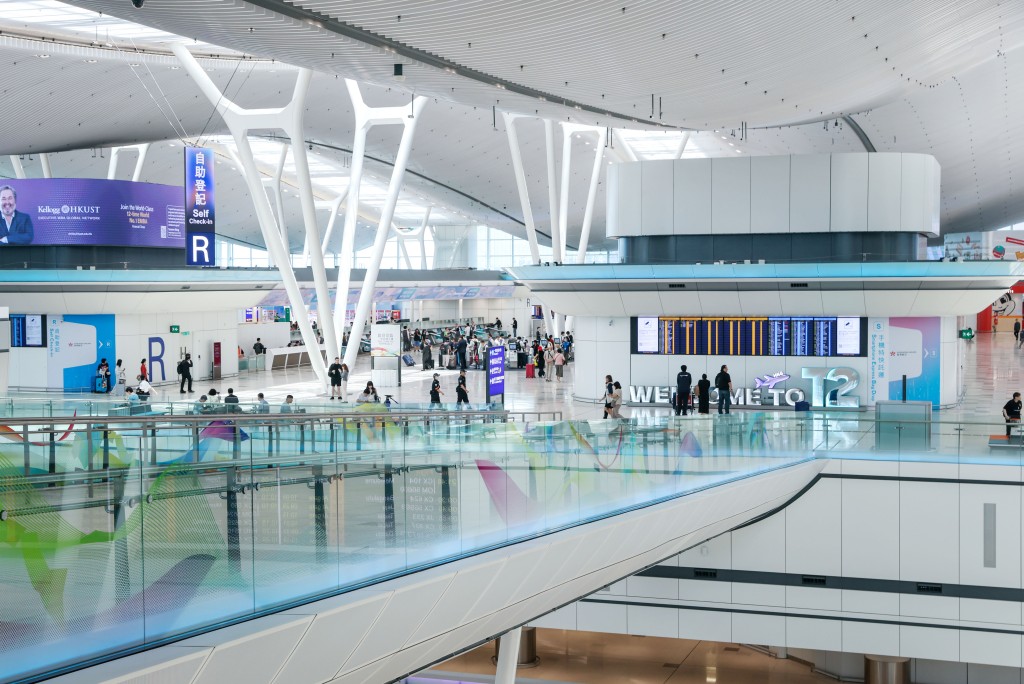
In aviation, Hong Kong will deeply participate in the national aviation network’s development by improving the intermodal transport system across the Guangdong-Hong Kong-Macao Greater Bay Area and integrating into the national network of corridors and hubs. The city will continuously explore new flight routes and expand civil aviation partnerships with countries involved in the Belt and Road Initiative.
The plan also sets out to create a new aviation industry ecosystem by establishing an aircraft parts processing and trading industry ecosystem. Hong Kong International Airport aims to achieve a 1 percent to 3 percent sustainable aviation fuel usage ratio for departing flights by 2030, while positioning the city as an Asia-Pacific hub for innovative low-altitude applications.