Read More

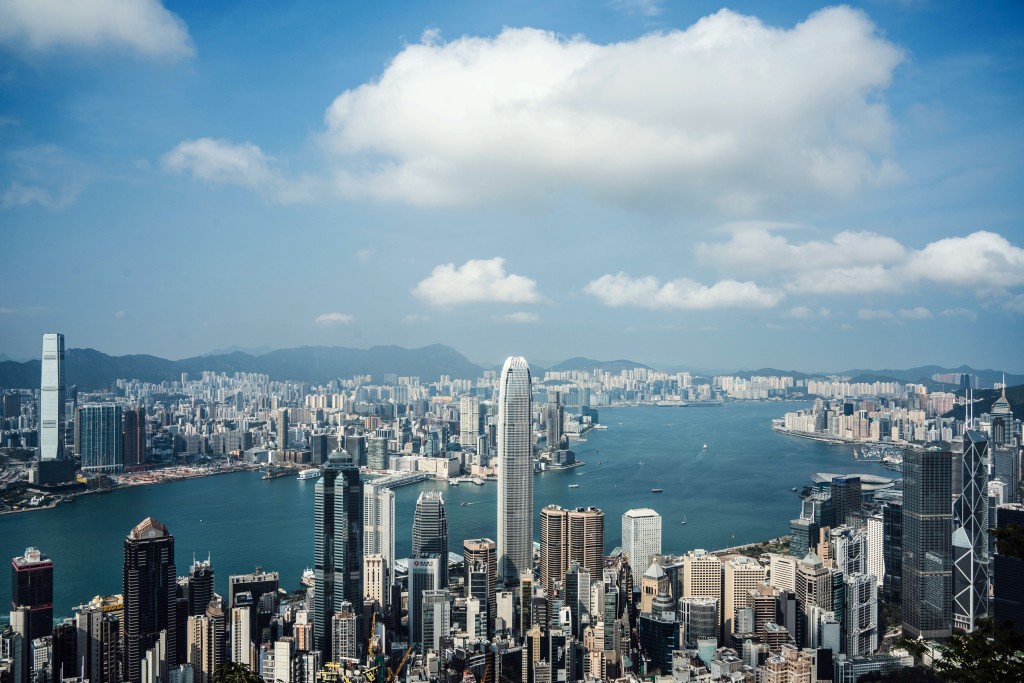

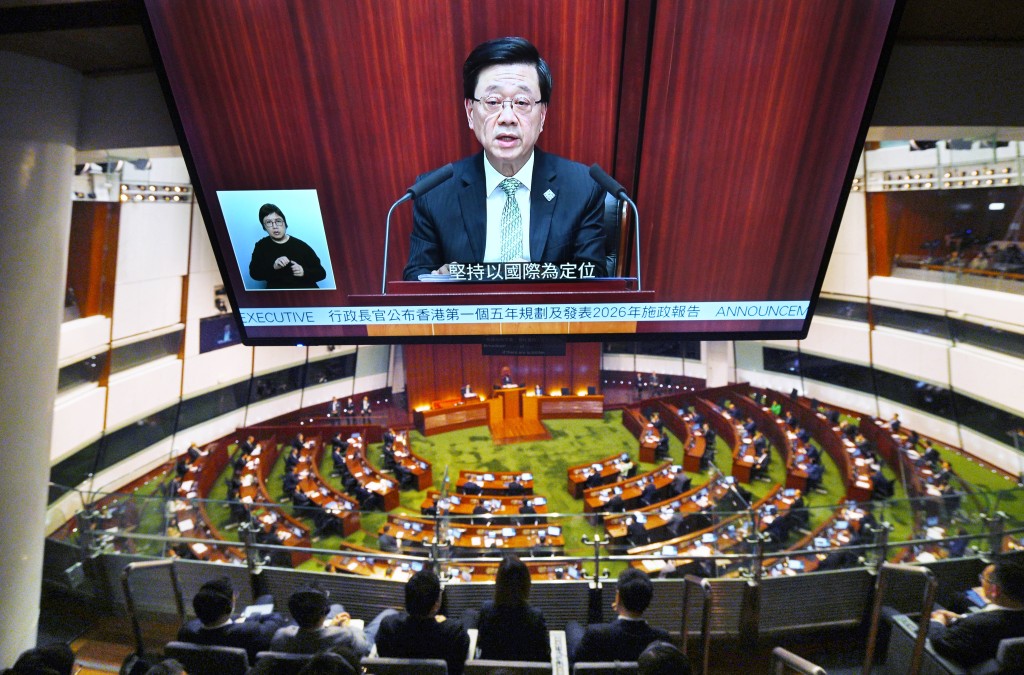
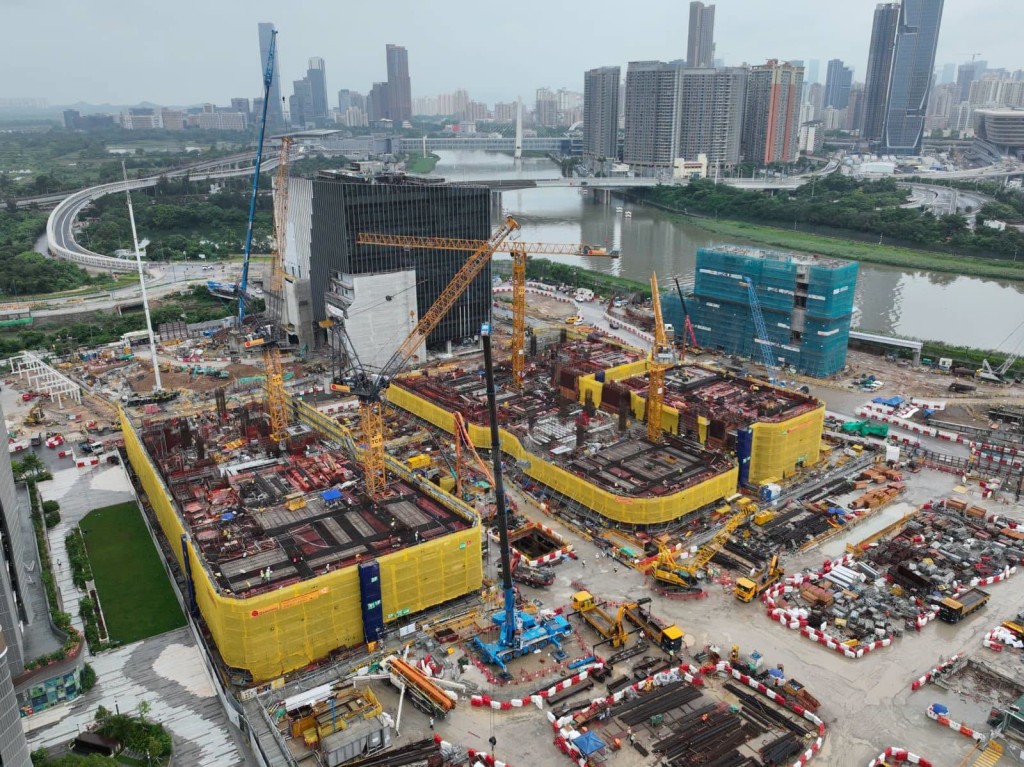




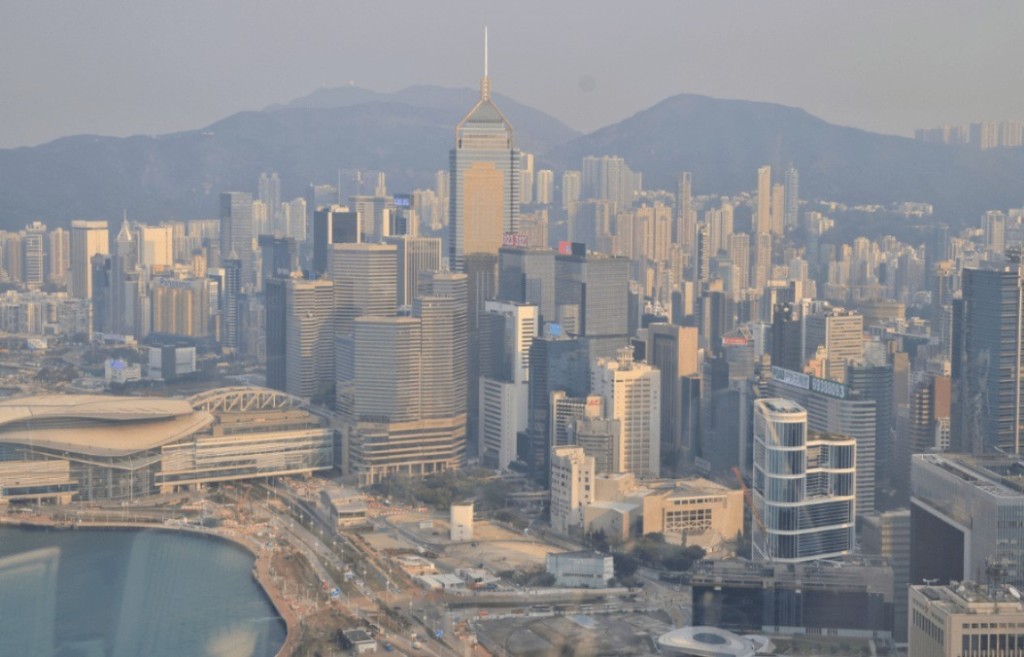
Chief Executive John Lee Ka-chiu revealed a total of 14 major indicators for Hong Kong's future economic, innovation, and infrastructure development in the city's first Five-Year Plan on Wednesday.
Real Gross Domestic Product (GDP) growth, which stood at 3.6 percent in 2025, is expected to increase within a reasonable range, with annual targets to be proposed in light of prevailing conditions.
Similarly, growth in the Labour Productivity Index is expected to remain stable, compared with the 2.3 percent rate recorded in 2024.
The government did not set specific goals for the total value of imports and exports of goods and services, instead anticipating "steady growth alongside global economic expansion."
Additionally, the city aims to maintain its world leading position in air cargo throughput, which stood at 5.07 million tonnes last year.
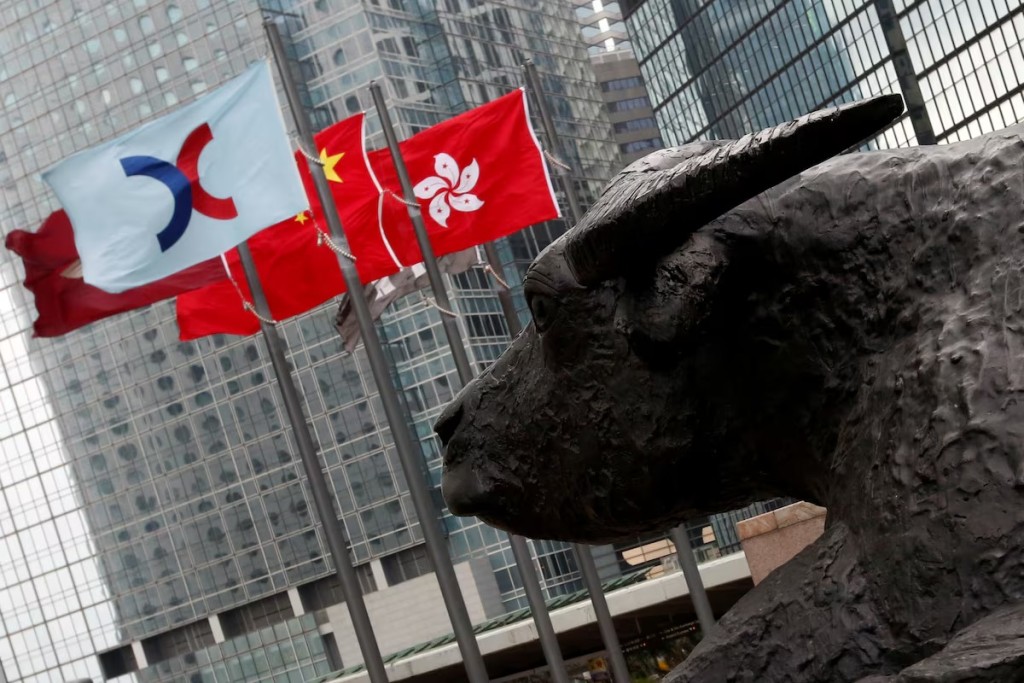
In positioning Hong Kong as a global financial center, the city leader said that the city should strengthen its world leading position as an international cross boundary wealth management center, which currently ranks first globally.
The total number of companies in Hong Kong with parent companies located outside the city is also anticipated to increase, with an average annual growth rate of 4 to 5 percent.
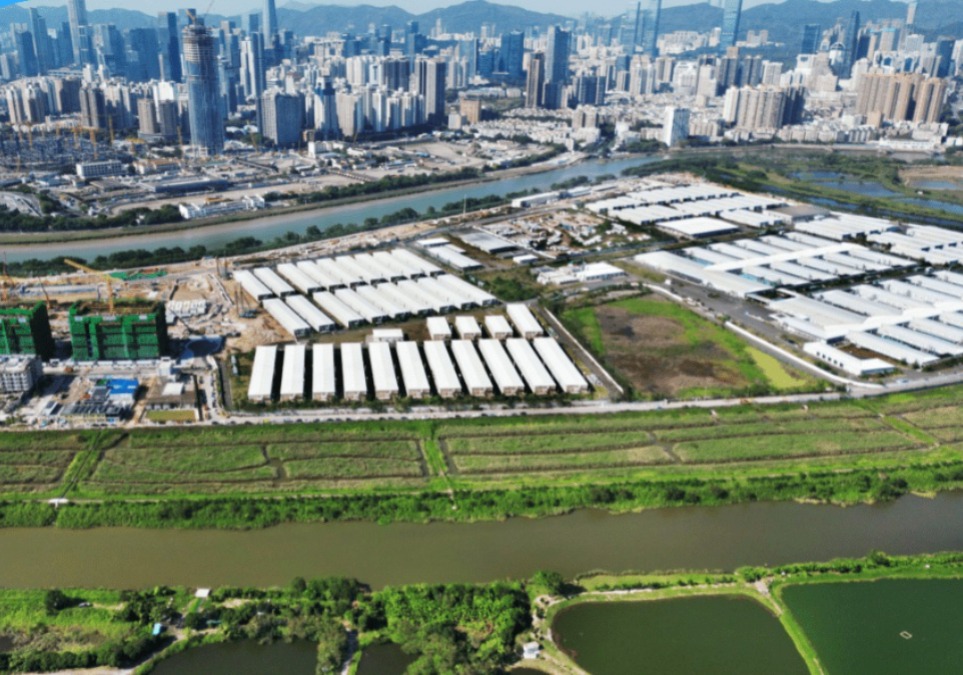
Regarding the binding targets for the Northern Metropolis over the next five years, the government requires that "spade ready sites" available in the area reach 900 hectares by 2030, representing a cumulative increase of 750 percent.
The completion of domestic units in the Northern Metropolis over the five year period is anticipated to reach 70,000 units, a cumulative increase of approximately 640 percent.
Furthermore, Lee set an anticipatory goal that the number of non local students enrolled in full time, locally accredited post secondary education programs should reach 100,000 by the 2029/30 academic year, marking a cumulative rise of 25 percent.
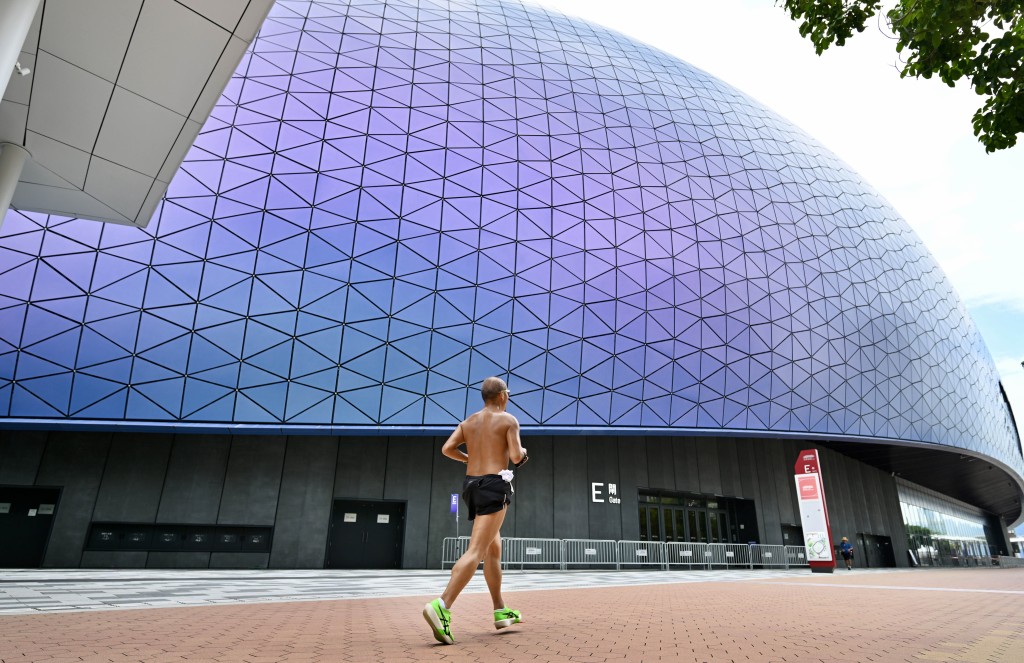
The value added of the tourism industry is expected to reach 126 billion over the next five years, up by an overall 40 to 50 percent.