Read More






The Hong Kong government has announced an ambitious initiative to develop three major Innovation & Technology (I&T) parks: the Loop Hong Kong Park of the Hetao Shenzhen-Hong Kong Science and Technology Innovation Co-operation Zone, San Tin Technopole, Science Park, and Cyberport. The plan
The government aims to create a world-class I&T hub by 2030 under the vision of "one river, two banks" and "one zone, two parks," promoting cross-boundary collaboration and clustering of research institutes, tech enterprises, and professional services.
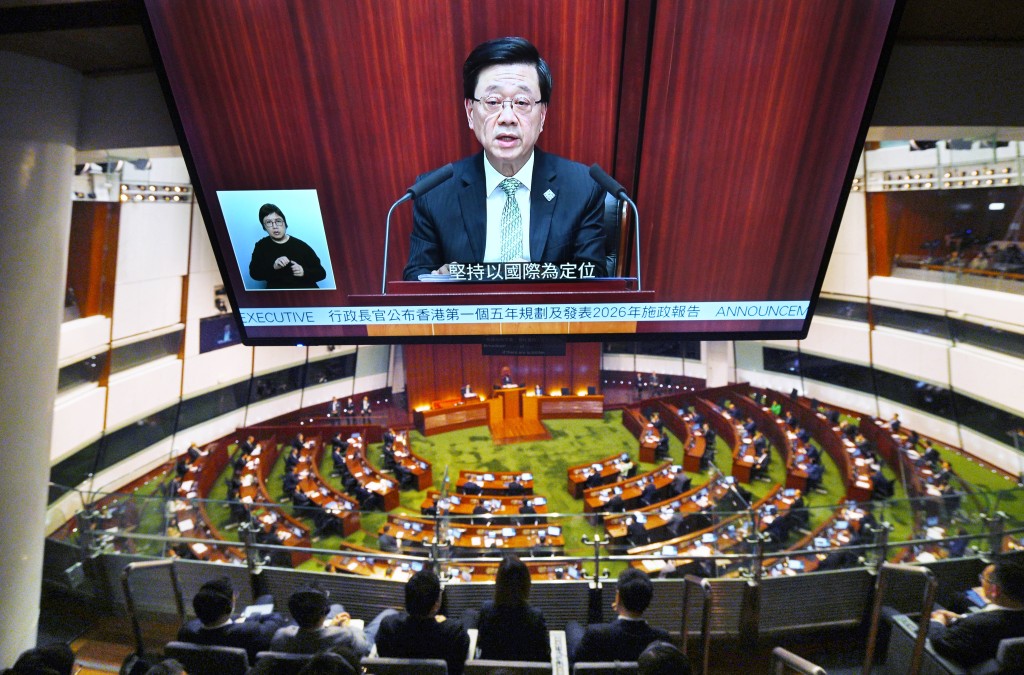
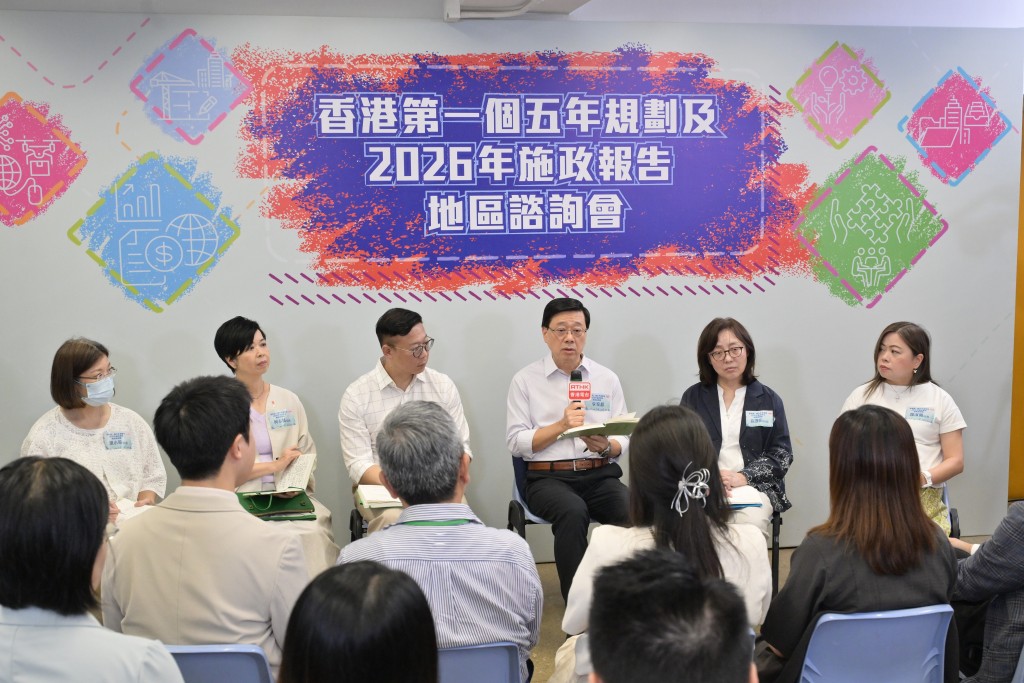
This came as John Lee noted in Hong Kong’s First Five-Year Plan that the city will advance the development of the three major I&T parks — the Hong Kong Park of the Hetao Shenzhen‑Hong Kong Science and Technology Innovation Co‑operation Zone (the Loop Hong Kong Park) and San Tin Technopole, the Science Park, and Cyberport.
The initiative will see Cyberport in the south focus on digital technologies such as artificial intelligence, cybersecurity, blockchain, and fintech, while Science Park in central Hong Kong concentrates on advanced manufacturing, life sciences, and enterprise incubation. Together, these parks will establish a "north-central-south" innovation corridor in the city.
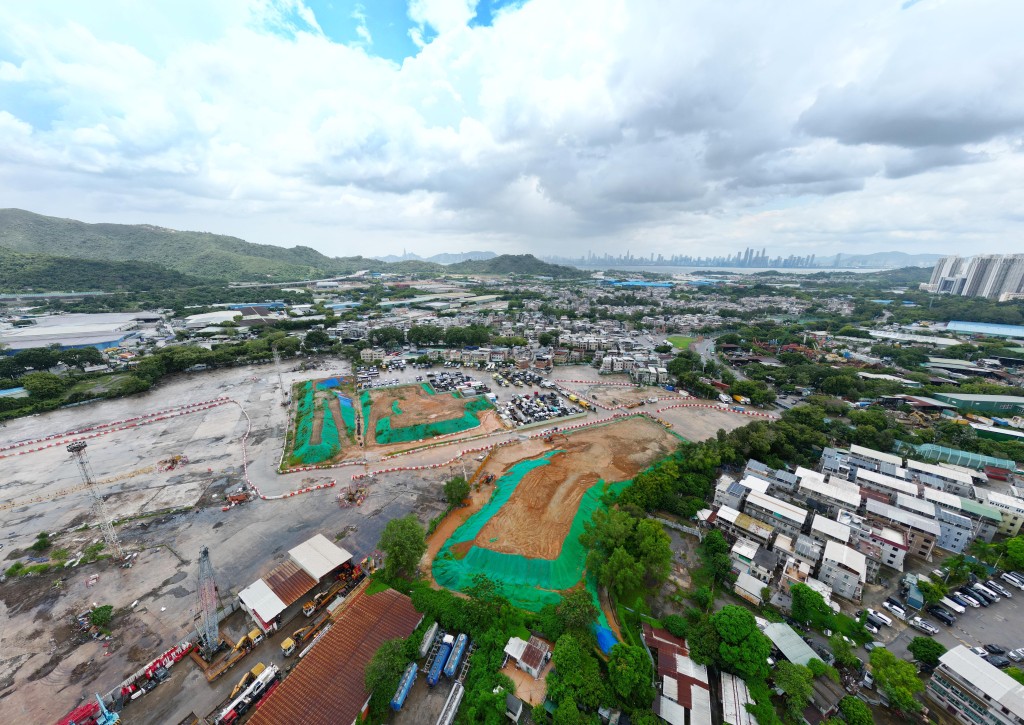
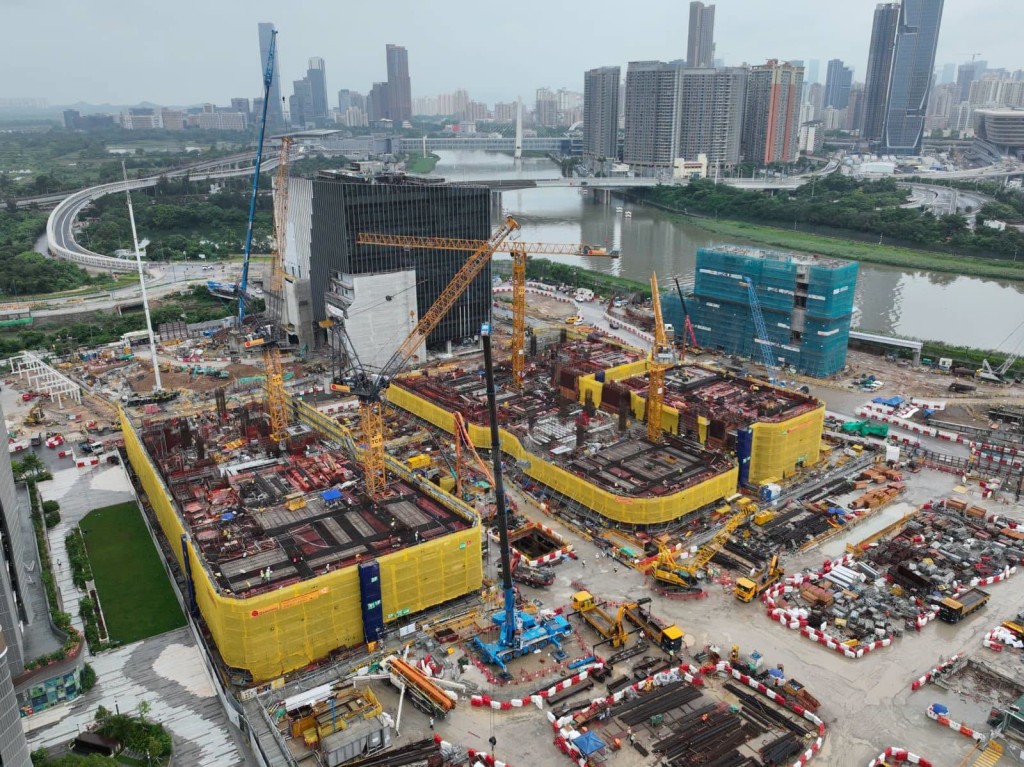
The Loop Hong Kong Park will be developed along four major directions: building a world-class collaboration platform for industry, academia, and research; establishing a globally competitive base for R&D and pilot production; creating a hub to attract international I&T resources; and serving as a testing ground for new institutional and policy innovations.
Lee highlighted that the Loop Hong Kong Park will function as a "special zone" facilitating the cross-border movement of talent, materials, capital, and data between Hong Kong and the Mainland.
The plan aims to foster close collaboration between San Tin Technopole and the Loop Hong Kong Park, creating a comprehensive industry ecosystem. While the Loop will focus on research, transformation, and pilot production, San Tin Technopole will accelerate the commercialization and industrialization of these outcomes, integrating with supply chains across the Greater Bay Area.
Lee added that San Tin Technopole Company Limited will be established and oversee phased development of the site, which will be organized into three hubs—Hetao, Chau Tau, and Ki Lun—and three industry corridors focusing on life and health technology, AI and robotics, and microelectronics.
The government will also advance five major research and development institutions—including the Hong Kong Productivity Council (HKPC), Hong Kong Applied Science and Technology Research Institute (ASTRI), Hong Kong Microelectronics Research and Development Institute (MRDI), Hong Kong Artificial Intelligence Research and Development Institute (AIRDI), and the Life and Health Technology Research Institute (LHTRI)—to strengthen Hong Kong’s public research and innovation capabilities. These institutions will focus on priority areas such as advanced communications, life and health sciences, microelectronics, and AI, aiming to consolidate Hong Kong’s status as a leading center for scientific research.