Read More
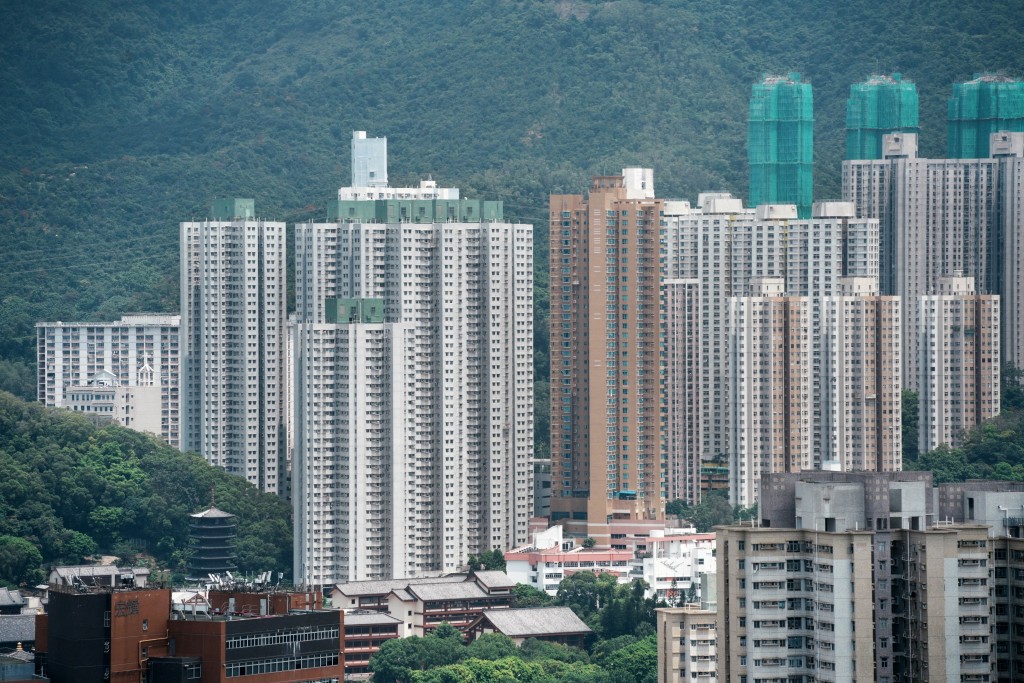



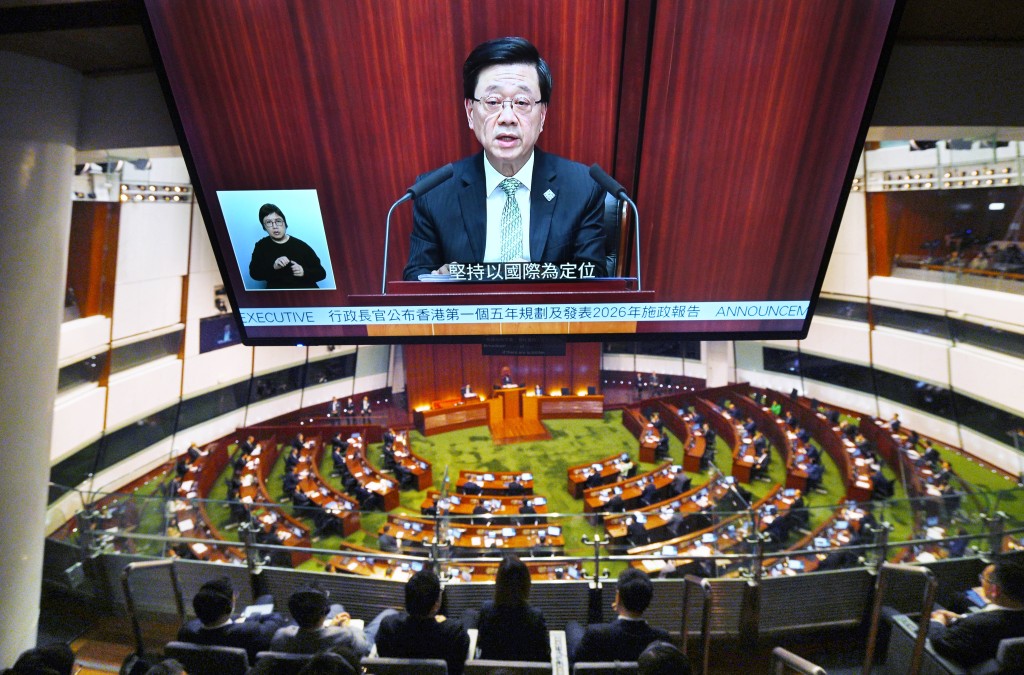


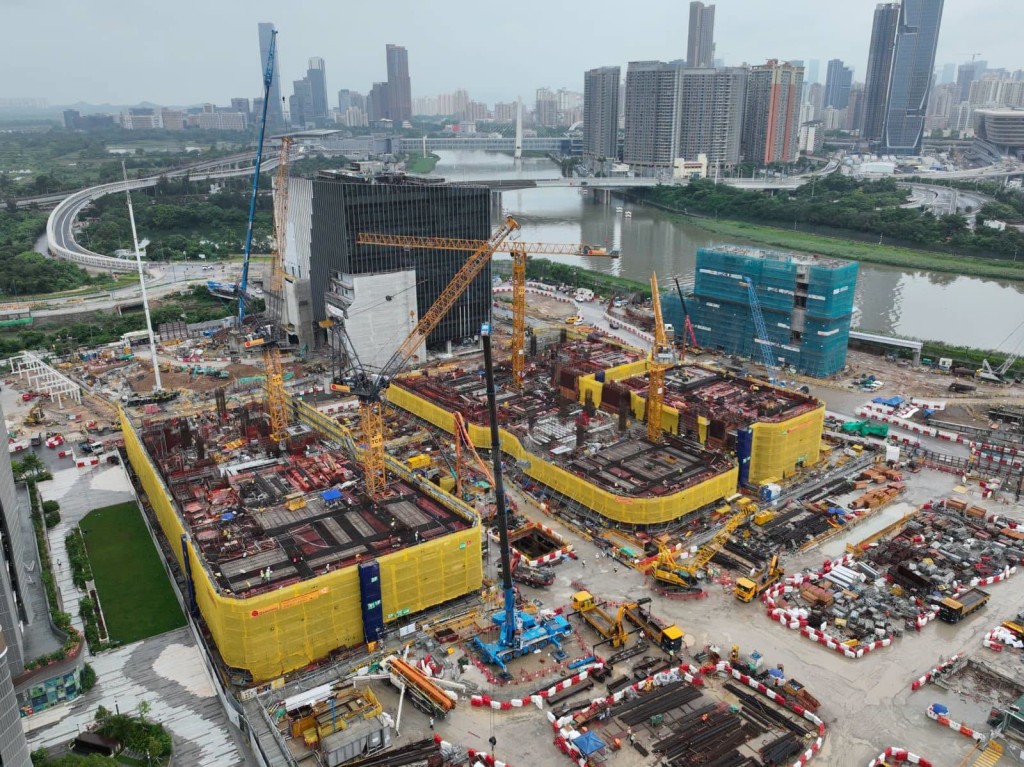
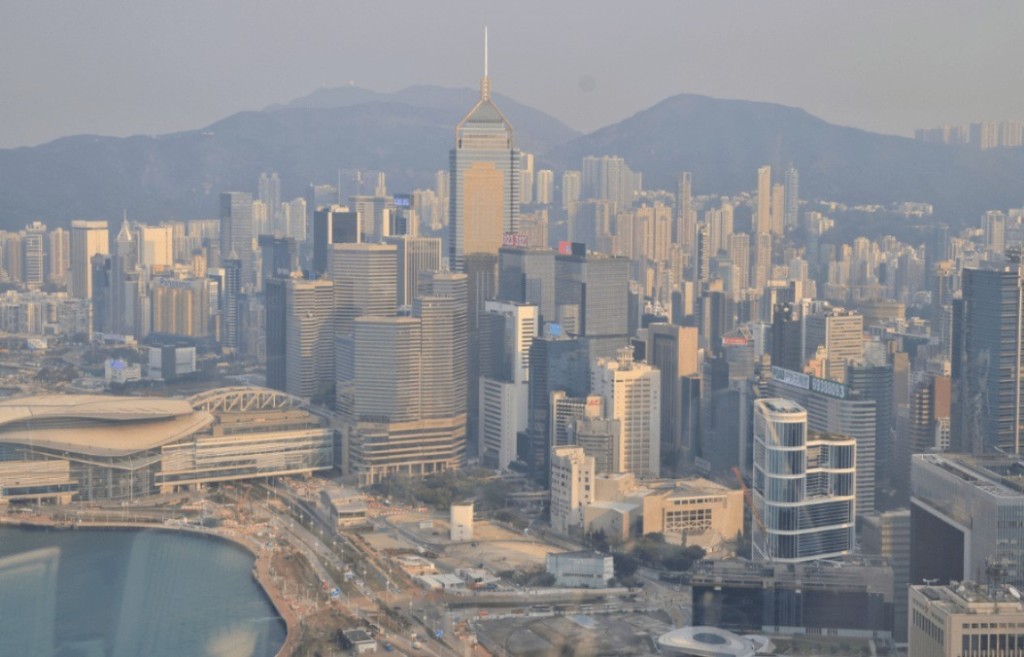
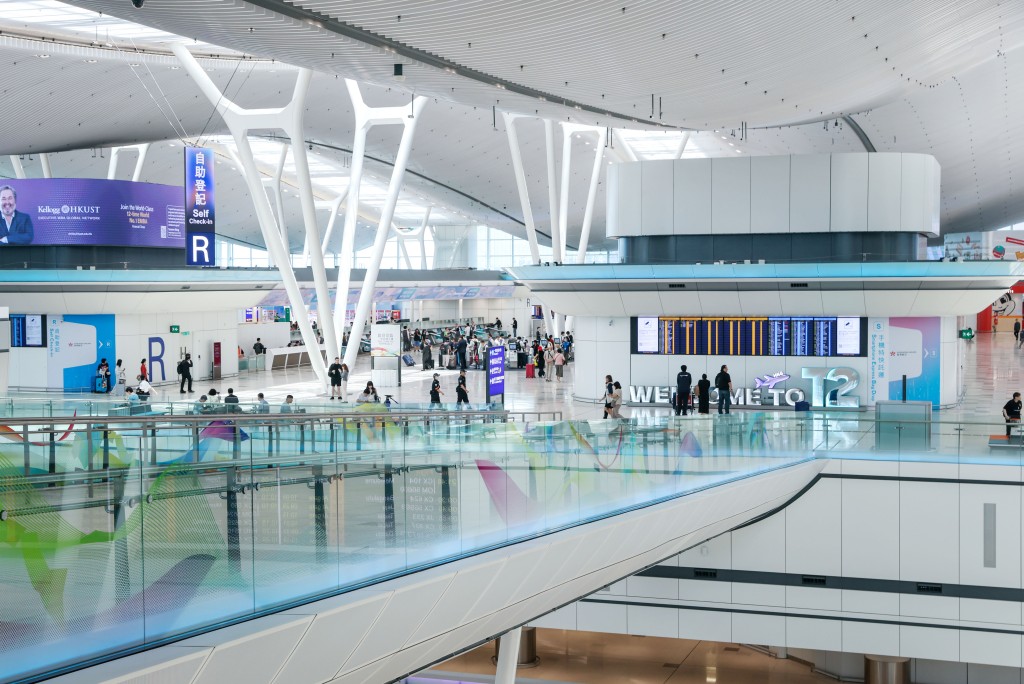


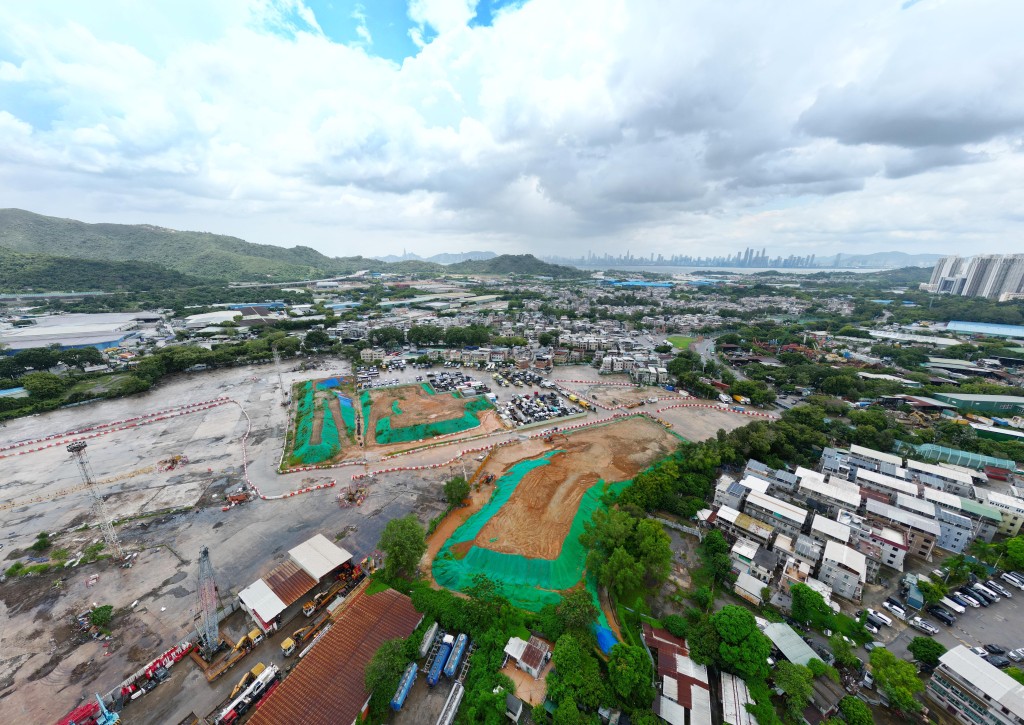
The government will prioritize the development of the Hung Shui Kiu University Town, with plans to begin site allocation for its campus area in 2026 and support institutions to move in between 2027 and 2028, according to the Five-Year Plan.
This came as the plan outlines the development of three major university towns in the Northern Metropolis — San Tin, Hung Shui Kiu, and Ta Kwu Ling — with the total area expanded to more than 1,000 hectares.
San Tin University Town will anchor Hong Kong’s future innovation and technology development, focusing on medicine, life and health technology, artificial intelligence, robotics, microelectronics, and emerging industries. Over the next five years, infrastructure projects will include a medical school at the Hong Kong University of Science and Technology and an integrated teaching and research hospital. Collaboration with the San Tin Technopole and the Loop Hong Kong Park will support joint programs and laboratories with leading Mainland and overseas institutions, enabling national-level research platforms.
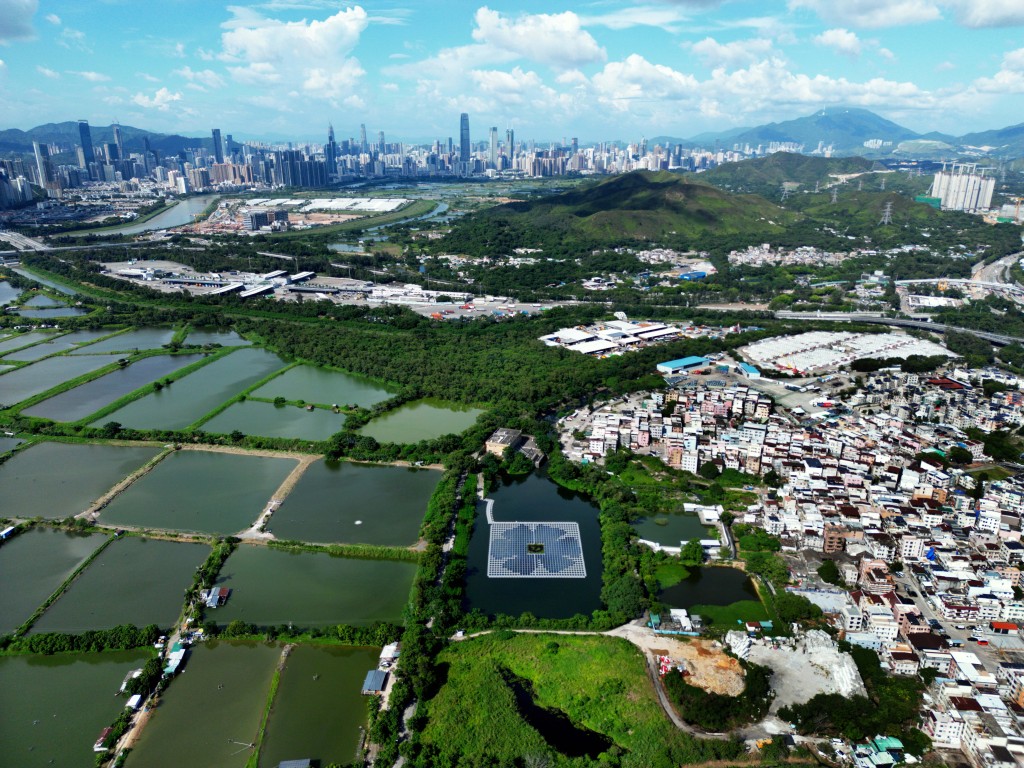
Hung Shui Kiu University Town is positioned as a hub for smart manufacturing education and international talent cultivation. The plan includes flagship campus development, industry-academia integration, and cross-sector collaboration. Supporting facilities will include the Hung Shui Kiu Industry Park, Lau Fau Shan Digital Technology Hub, and the Advanced Construction Industrial Park in Yuen Long South. Site allocation will begin in 2026, with institutions expected to move in by 2027 to 2028. The HSK Station of the MTR Tuen Ma Line is scheduled to open in 2030, complementing the town’s facilities and population intake.
Ta Kwu Ling University Town will integrate arts and blue-green development alongside education, technology, industry, and talent. From 2030 onward, sites will be progressively made available to support emerging industries, advanced construction, and traditional sectors. Local institutions will be encouraged to integrate industry and education, nurturing talent for new industries and expediting commercialization of research outcomes. Strategic space will also be reserved for future development needs.