
Read More
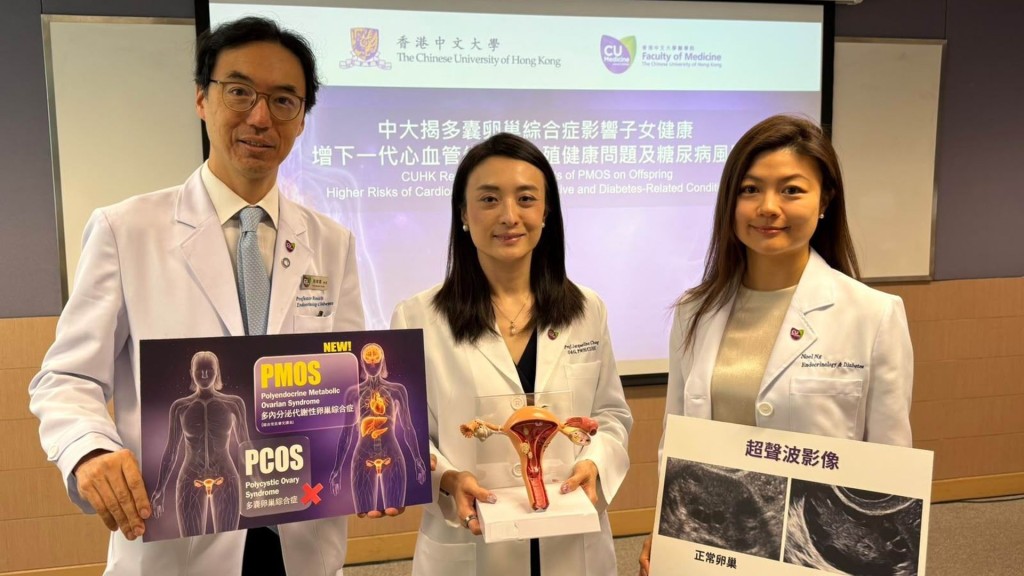
A study by Chinese University's medical school has found that polyendocrine metabolic ovarian syndrome (PMOS), formerly known as polycystic ovary syndrome (PCOS), not only affects patients but also increases endocrine and metabolic risks in their children.
ADVERTISEMENT
SCROLL TO CONTINUE WITH CONTENT
The study, conducted between 2020 and 2024, analysed 71 mothers with PMOS and their children aged 15 to 25, comparing them with 506 normal mothers and their children. It found that 58.3 per cent of daughters of PMOS patients experienced menstrual irregularities, 3.6 times the rate of the general population. More than 10 per cent of these daughters also had PMOS. Sons of PMOS patients had nearly three times the risk of hypertension and metabolic syndrome.
Dr Jacqueline Chung Pui-wah, chairperson of CUHK's Department of Obstetrics and Gynaecology, said the cause of PMOS remains unknown but may be related to insulin resistance. She noted that 50 to 60 per cent of patients can improve their condition through weight loss, and 70 to 80 per cent can achieve natural ovulation through surgery.
Professor Ronald Ma Ching-wan of the Department of Medicine and Therapeutics said PMOS involves multiple hormonal imbalances affecting fertility and metabolic function. Studies show 24.9 per cent of PMOS patients have metabolic syndrome, and their risk of type 2 diabetes is three times that of normal people.
Lead researcher Noel Ng Yat-hey said the findings highlight the importance of early monitoring for children of PMOS patients, recommending regular health assessments to identify metabolic and cardiovascular risks early.