
Read More

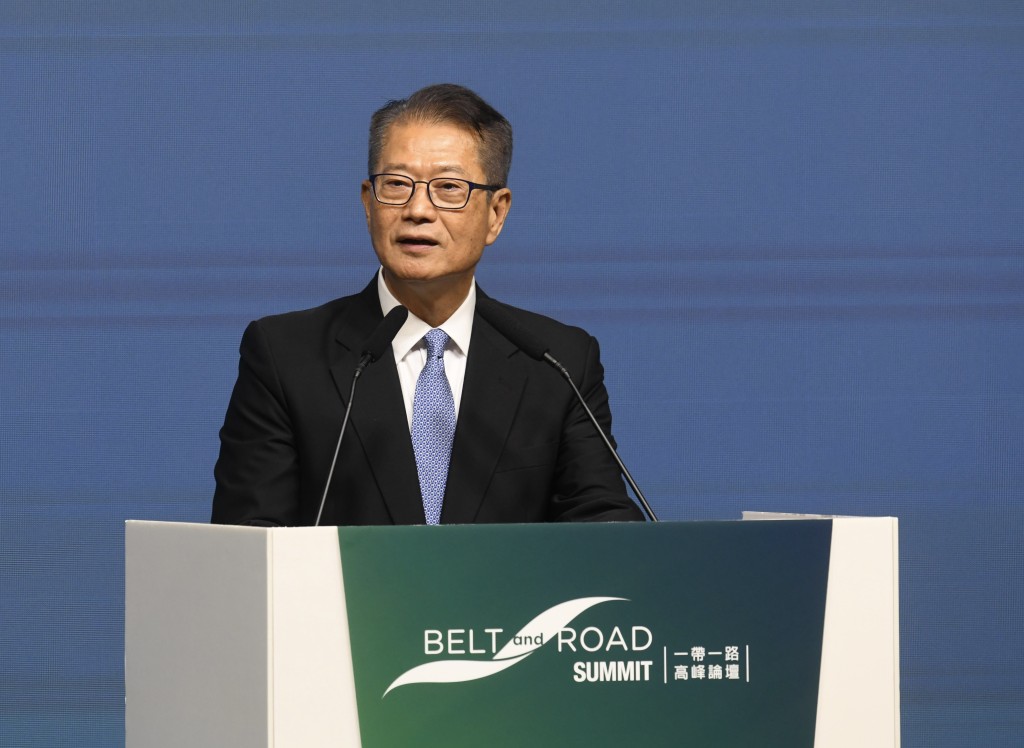
Hong Kong will leverage its strengths in finance, innovation and talent to help ASEAN and regional partners capture opportunities arising from artificial intelligence and industrial upgrading, Financial Secretary Paul Chan Mo-po said on Wednesday.
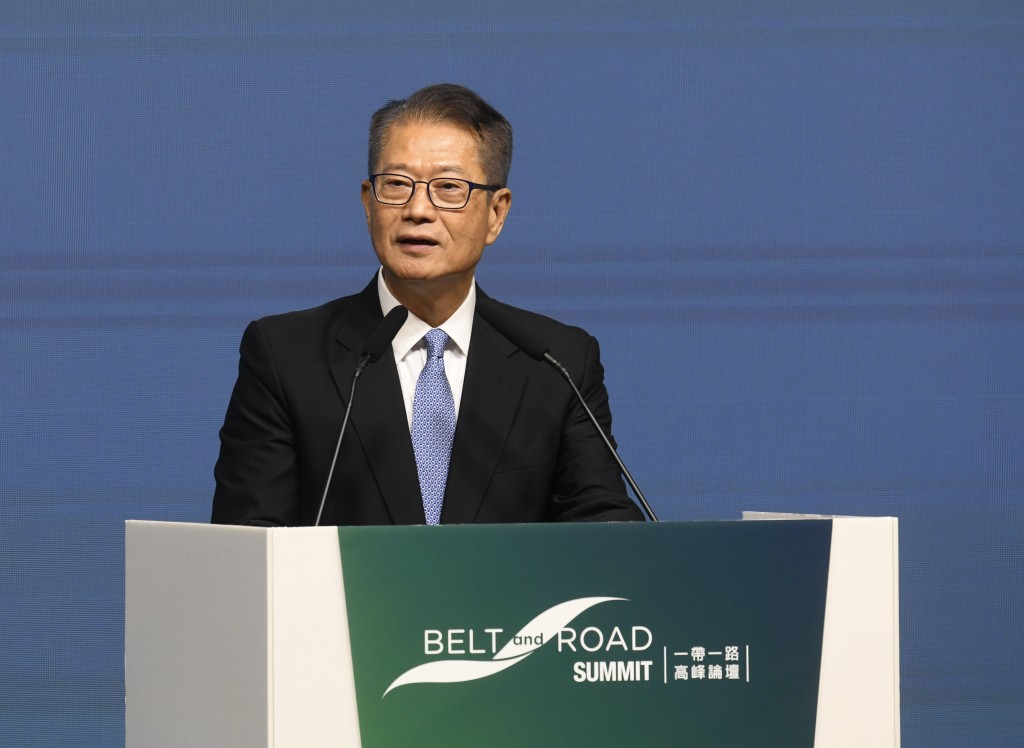
Speaking at the keynote luncheon of the 11th Belt and Road Summit, Chan said ASEAN had emerged as an important engine of global growth, supported by deepening economic ties with China.
Trade between China and ASEAN exceeded US$1 trillion for the first time last year, reaching about US$1.05 trillion. ASEAN has remained China’s largest trading partner for six consecutive years.
Chan said Hong Kong was well placed to help the wider region capitalize on opportunities arising from AI, industrial transformation and greater regional economic integration.
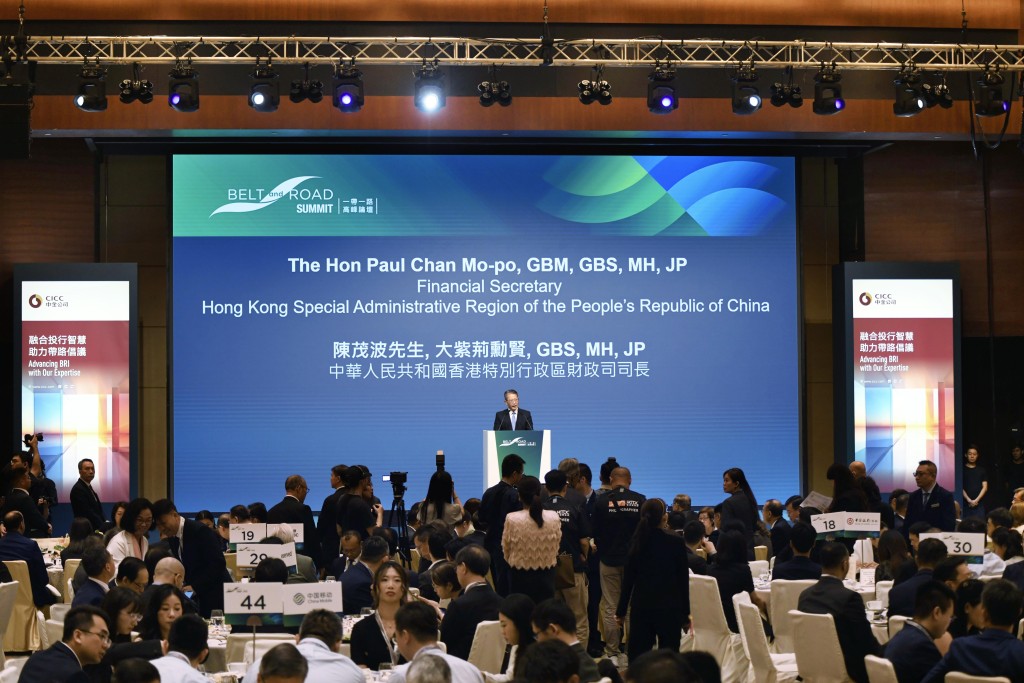
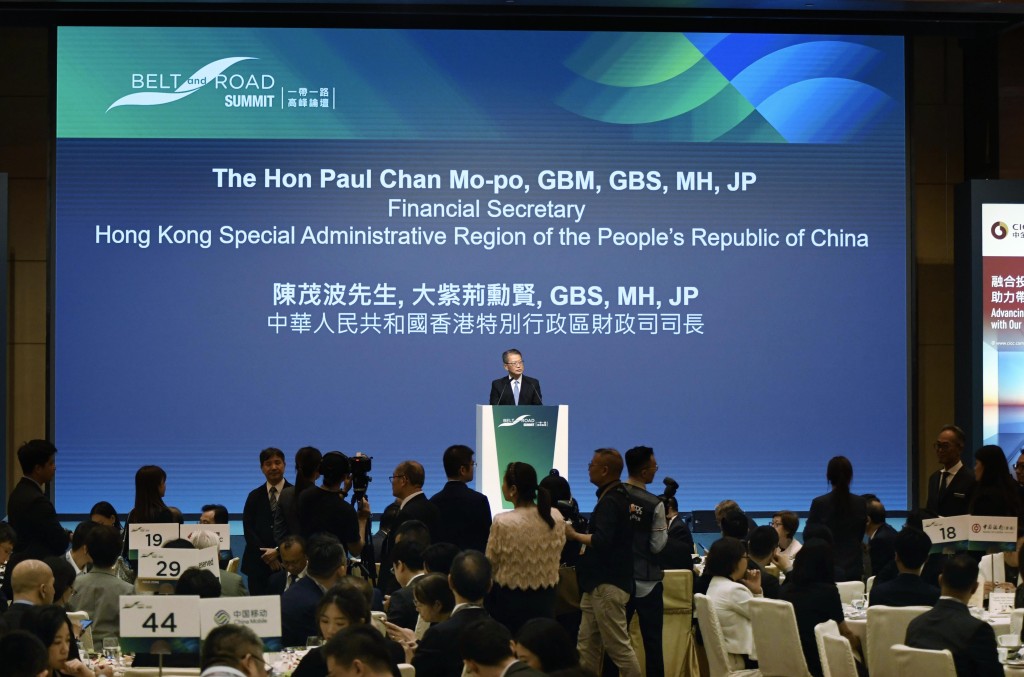
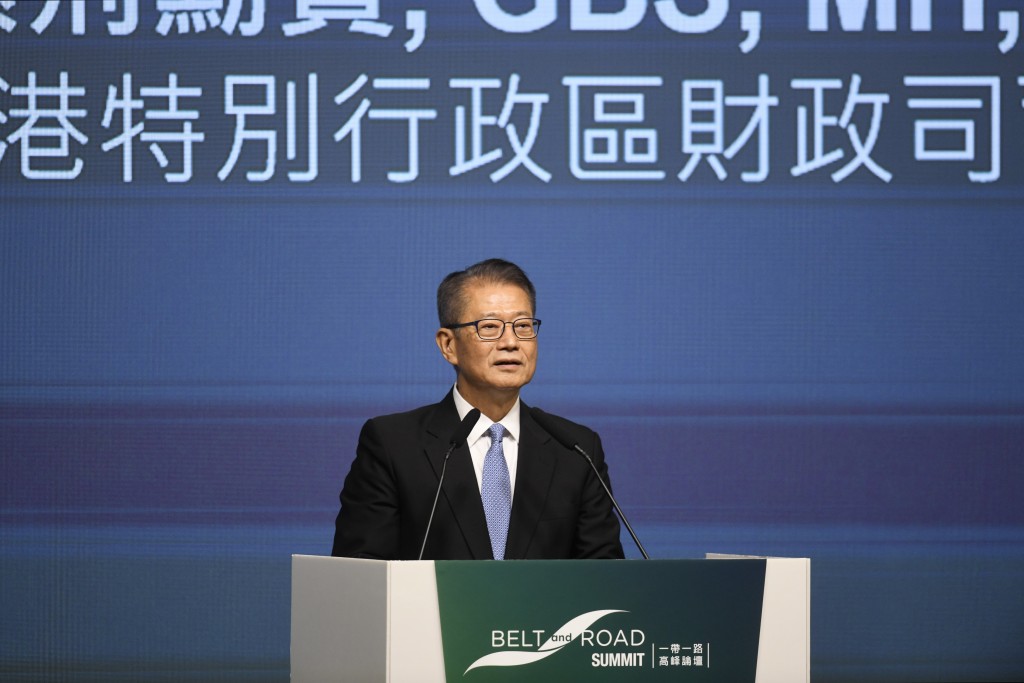
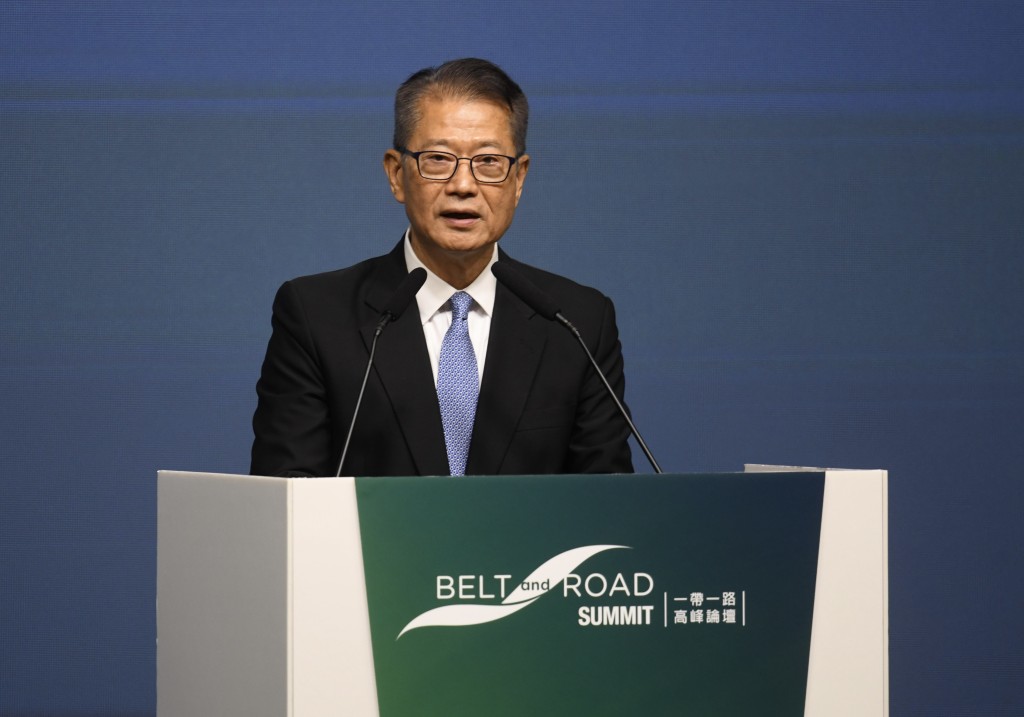
On financing, he said the city could connect global investors with innovative ASEAN companies through a range of channels, including initial public offerings, venture capital, private equity and family offices.
Such financing could provide long-term capital for emerging industries, while Hong Kong’s professional services could also help companies strengthen corporate governance and expand into overseas markets, he said.
Chan also highlighted the Guangdong-Hong Kong-Macao Greater Bay Area, saying its research capabilities, advanced manufacturing base, complementary industrial strengths and consumer market of about 88 million people could support companies throughout the development cycle — from research and development and testing to validation and commercialization.
The Northern Metropolis would further facilitate flows of technology, talent and capital, providing a platform for ASEAN businesses seeking access to the Greater Bay Area and mainland markets, he added.
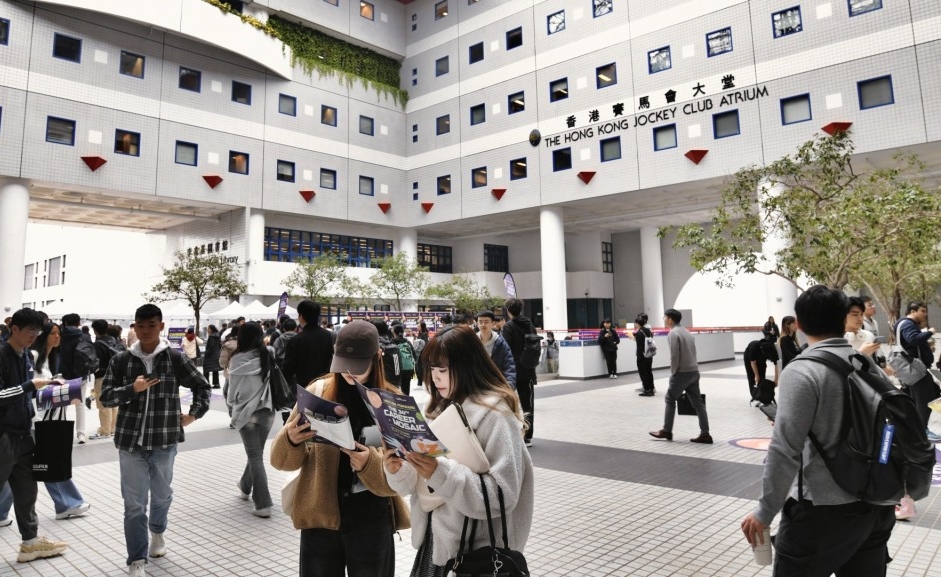
Talent was another area where Hong Kong could play a role, Chan said, pointing to the city’s five universities ranked among the world’s top 100.
He said Hong Kong’s international outlook and growing innovation ecosystem continued to attract scientists, engineers and entrepreneurs from around the world, while its concentration of talent could in turn draw long-term investors looking to use the city as a base for regional expansion.