Read More

Night Recap - August 17, 2026
1 hour ago





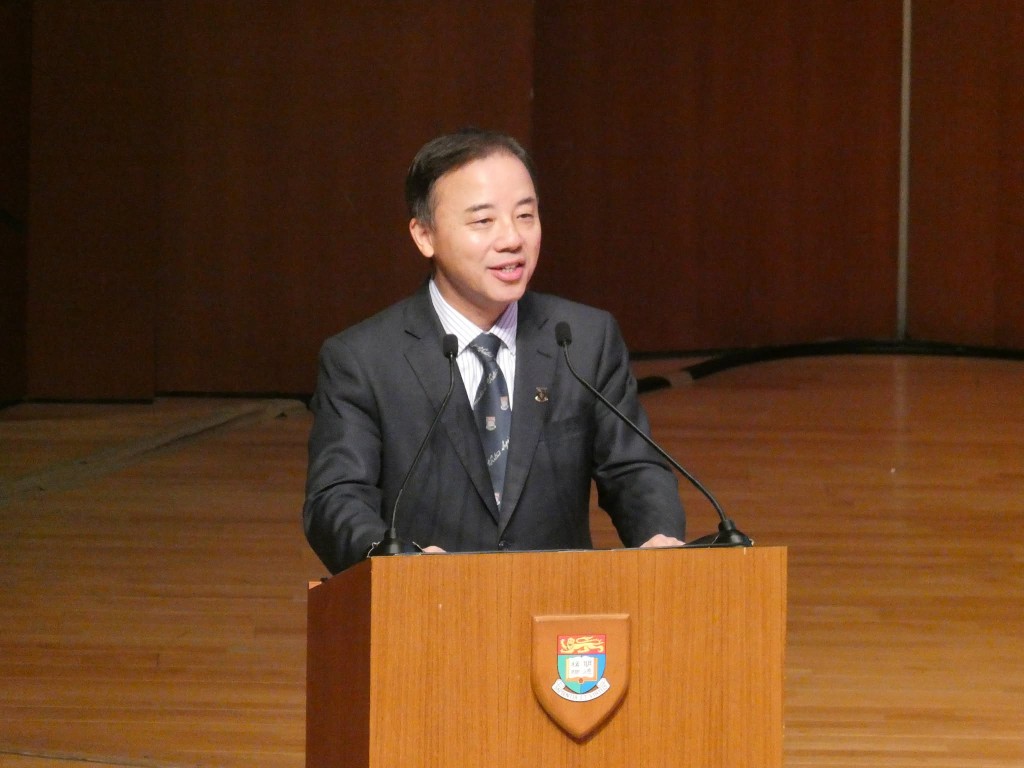
The University of Hong Kong president Zhang Xiang has reiterated that his early resignation announcement is intended to give the university sufficient time to search for a successor, adding that HKU’s outdated administrative and management systems must be modernized to keep pace with the times.
Zhang earlier announced that he would step down in 2028 upon completing his 10-year term.
In a recent newspaper interview, Zhang denied reports suggesting he intended to seek a third term, reflecting on a challenging tenure marked by continuous reform efforts.
Despite setbacks, he said he never considered giving up on his vision to transform HKU into a world-class institution. He stressed that while HKU’s fine tradition should be preserved, governance structures established in the 1970s and 1980s are no longer suitable for a fast-changing environment.
He said system improvements are essential for attracting top academics and providing a stable research environment. During his remaining two years in office, Zhang said he would prioritize administrative and governance reforms.
Zhang also emphasized HKU’s strategic role in advancing national educational goals. He expressed hope that HKU will act as a pioneer in the Northern Metropolis University Town, aiming to build a new campus within five years of the groundbreaking, provided suitable land is granted. He urged the government to allocate land for student and staff housing alongside campus developments to ensure stable accommodation for international talent.
Zhang emphasized that Hong Kong must maintain its international advantage. Addressing concerns about the declining proportion of local professors in some universities, he said a professor’s place of birth should not be the sole standard for assessing the quality of global universities.
He highlighted HKU’s ongoing expansion, including new global campuses in Shanghai and Barcelona, to broaden its teaching and research networks, recruit top scholars, and gradually foster an atmosphere and culture of academic exchange comparable to world-renowned institutions such as Harvard University and the University of Cambridge.