Read More






Micron's AI-fueled revenue forecast blows past estimates, backlog swells
01-10-2026 15:22 HKT


What's in Trump's AI deal and who has reacted?
01-10-2026 14:02 HKT


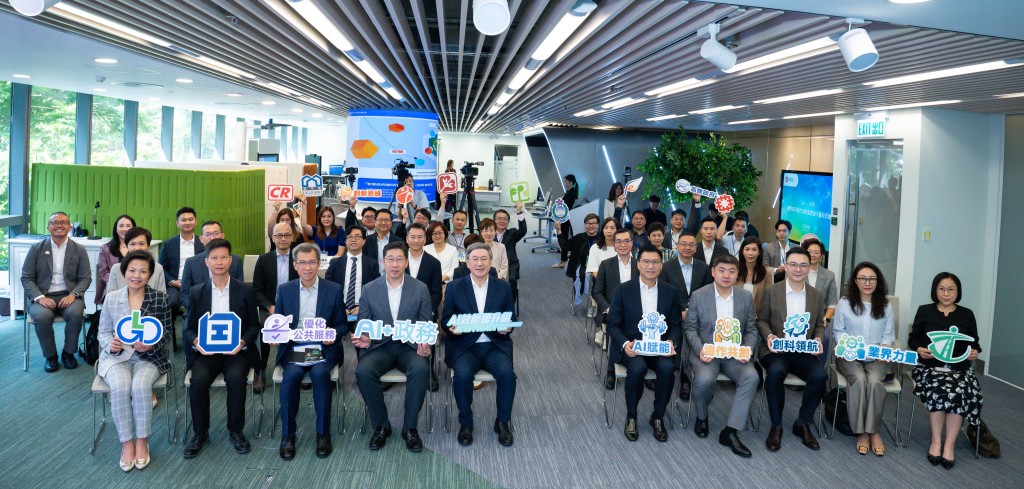
The AI Efficacy Enhancement Team, which aims to coordinate and steer government departments to apply AI, has so far facilitated and implemented the first batch of 30 efficacy enhancement projects, which will be rolled out in phases starting from mid-2026.
These projects are designed to streamline and accelerate workflows for various application processes and public services, thereby enhancing the user experience.
Through the application of AI technology and process re-engineering, the processing time for certain tasks has been reduced from several days to just hours, while the time required for case triage and analysis has been cut by 50 percent or more.
For example, the adoption of AI has drastically reduced processing and waiting times for some cases by as much as 90 percent. Other projects have streamlined internal government procedures to improve overall work efficiency.
Deputy Chief Secretary for Administration Cheuk Wing-hing said the first batch of projects has also demonstrated the potential for promoting AI across departments.
He explained that despite the diverse functions of different departments, there are similarities in daily workplace scenarios, such as online reservations, license applications, audits, assessments, responding to inquiries, and environmental monitoring.
"If a solution can be successfully applied in a pilot department, the relevant experience, technologies and operation models can be extended to other departments and similar work scenarios with suitable adjustments," he said.
The task force was established following a recent policy address to effectively apply AI technology to government work, explore process re-engineering, and promote technological reform across departments to improve efficacy.