Read More



Night Recap - September 22, 2026
2 hours ago






HKO forecasts showers Tuesday, tracks possible cyclone east of Philippines
21-09-2026 17:31 HKT

John Lee and CY Leung lead pallbearers for Tung Chee-hwa
20-09-2026 15:54 HKT


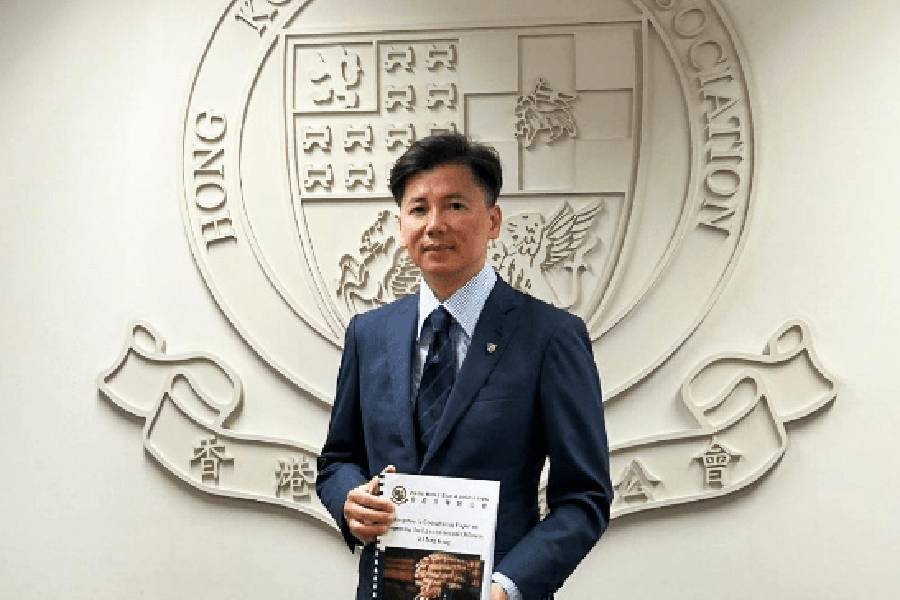
The Hong Kong Bar Association (HKBA) has expressed its support for the introduction of a new criminal offense targeting persistent child sexual abuse, while emphasizing the need for robust legal safeguards to protect the rights of defendants.
In a detailed response to the Security Bureau's consultation paper on reforming local sexual offense laws, the legal professional body welcomed the government's efforts to modernize the legal framework to reflect contemporary social values and better protect vulnerable groups.
While broadly supporting the new offense, the association stressed that prosecutors must prioritize laying specific, substantive charges, such as rape, whenever there is sufficient evidence.
To ensure a fair trial, the legal body recommended that a persistent abuse charge should not be used simultaneously with a specific charge for the same conduct.
Furthermore, they suggested that initiating a prosecution under this new category should require the explicit approval of the Secretary for Justice, accompanied by strict internal guidelines to prevent misuse.
The association also backed the proposal to introduce a clear statutory definition of consent, alongside a non-exhaustive list of circumstances where consent is legally presumed to be absent.
The lawyers noted that the proposed rule, which states that a lack of verbal or physical communication indicates a lack of consent, represents a significant and positive shift toward affirmative consent.
However, to preserve the presumption of innocence, the legal experts argued that the absence of consent in these situations must remain a rebuttable presumption during court proceedings rather than an absolute legal certainty.
Addressing the severe social stigma associated with sexual offense cases, the association recommended that pre-conviction anonymity protections should be extended to cover both the alleged victims and the accused.
They also agreed with the broader policy direction of expanding the legal definition of rape and creating three new non-consensual sexual offenses, which would cover assaults both with and without physical contact.
In its submission, the legal body raised concerns about imposing absolute liability in cases involving teenagers between the ages of thirteen and fifteen, suggesting that statutory defenses should be available to prevent disproportionate judicial outcomes.
They also highlighted the reality of Hong Kong's cramped living conditions, proposing an incidental exposure defense for the offense of engaging in sexual acts in the presence of a child to avoid unfairly penalizing underprivileged families.
Additionally, the association called for clearer definitions regarding sexual grooming, sexual communications, and mental impairment.
They also suggested that foster parents should be explicitly included under the city's incest laws and warned that banning carers from having intimate relationships with mentally impaired individuals might arbitrarily restrict the relationship choices of those they care for.