Read More


Morning Recap - September 16, 2026
2 hours ago




Night Recap - September 15, 2026
11 hours ago



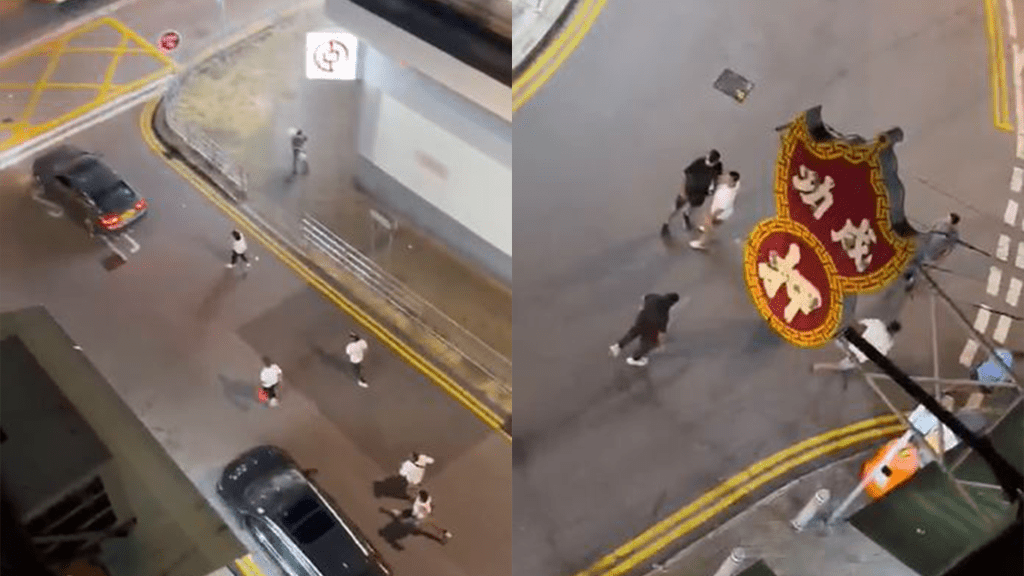
Seven arrested over Kwai Chung illegal gathering
14-09-2026 12:33 HKT



Nearly 15 percent of Hong Kong faces extreme disaster risk, with Yuen Long and the North District being the most vulnerable, a Hong Kong Red Cross study has found.
The findings were released Thursday alongside the Hong Kong Disaster Risk and Coping Capacity Map, which assessed the city's resilience against three common types of disasters: typhoons, extreme heat, and fires.
Drawing on the organization's years of community service experience and frontline data, the study utilized 42 indicators spanning hazard exposure, vulnerability, and insufficient response capacity.
The findings revealed that 14.7 percent of Hong Kong was at extreme risk, with the highest concentrations located in Yuen Long and the North District, alongside Tai O and densely populated urban areas such as Yau Ma Tei, Sham Shui Po, and To Kwa Wan.
The study also discovered that more than half of Hong Kong's territory is exposed to two or more high or extreme disaster risks. Specifically, 21.8 percent of the city faces three hazards, 30.8 percent faces two, 28 percent faces one, and 19.4 percent faces none.
Areas characterized by higher concentrations of low-income and less-educated households were found to face elevated extreme heat risks. Hong Kong Observatory data shows that San Tin and Kwu Tung recorded 103 hot days, while Hung Hom recorded 54 hot nights.
The Red Cross also found that remote areas lack adequate typhoon shelter coverage. For instance, Pat Heung's nearest shelter is 3,725 meters away—4.2 times the 888-meter citywide average. Meanwhile, shelters for Sha Tau Kok and Shuen Wan residents are 3,113 meters away, which is about 3.5 times the average.
Eleanor Lam Chuen-ping, chief executive officer of the Hong Kong Red Cross, called for resource-sharing in rural areas and recommended that community facilities be converted into emergency shelters when needed.
She also recommended establishing smaller, more dispersed shelters, and advised authorities to incorporate shelter planning directly into the Northern Metropolis development.
The study pointed to a lack of large-scale fire drills across Hong Kong, along with low public awareness and participation.
According to the Red Cross's 2026 survey on public disaster preparedness, more than 70 percent of residents had not participated in a fire drill in the past year.
Participation rates were noticeably low in high-fire-risk areas, with Kowloon City recording a participation rate of just 23.2 percent, followed by Sham Shui Po at 29.6 percent and Yau Tsim Mong at 33.3 percent.
The organization stated that the risk map is only the first step in ensuring that the city's emergency services precisely address localized community needs, rather than adopting a one-size-fits-all approach.
The Red Cross also urged the community to incorporate disaster risks into urban development planning, expressing hope that the map would encourage cross-sector collaboration and investment in more effective risk prevention measures.