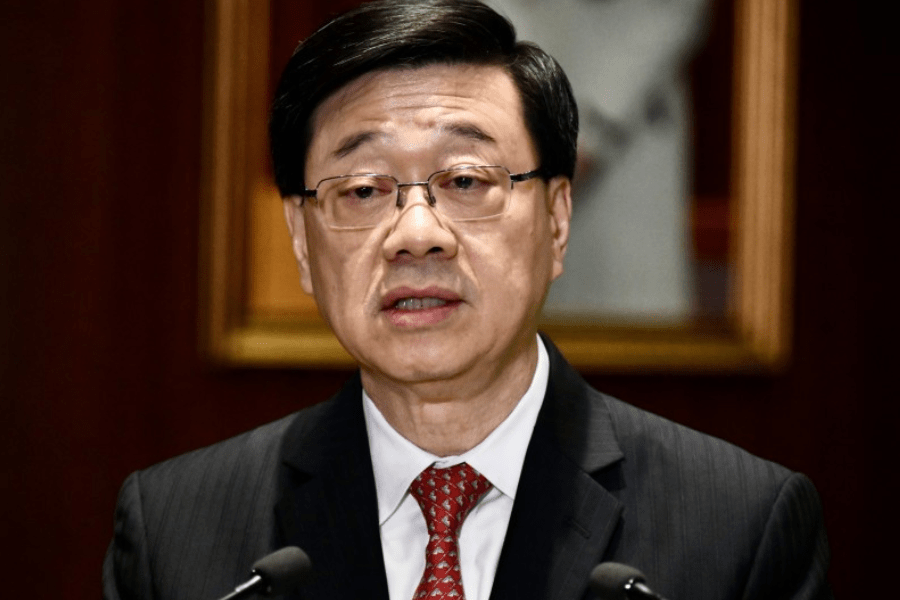
Chief Executive John Lee Ka-chiu has backed Chief Justice Andrew Cheung Kui-nung's decision to request High Court judge Wilson Chan Ka-shun’s early retirement following multiple plagiarism findings.
This comes after the Judiciary announced on Monday that the 64-year-old judge's retirement will take effect this Friday, meaning he will step down six years before the statutory retirement age.
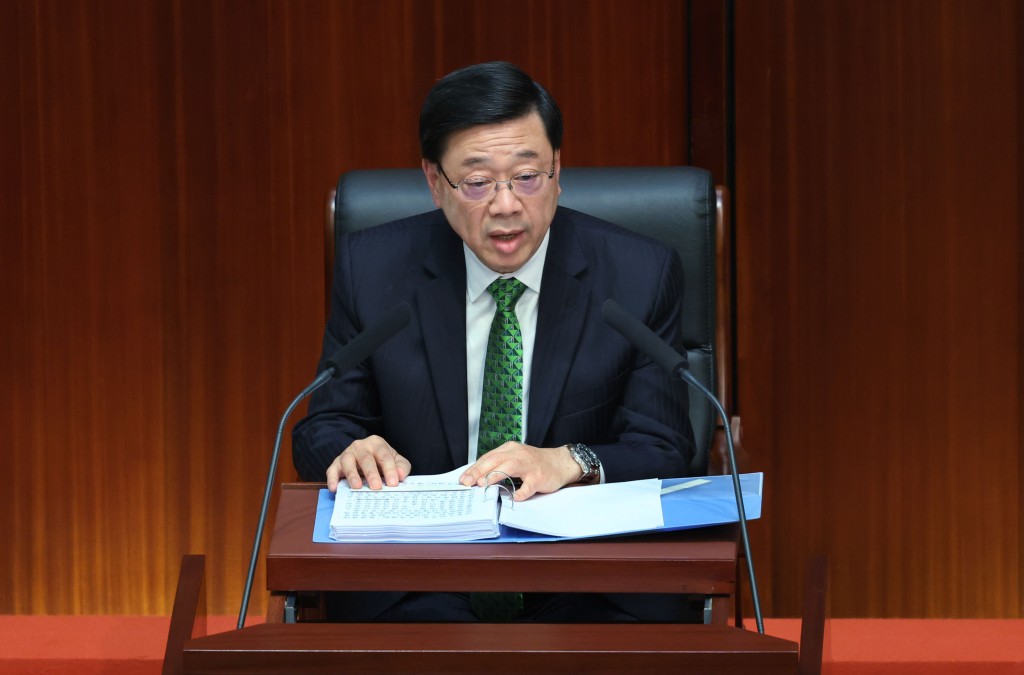
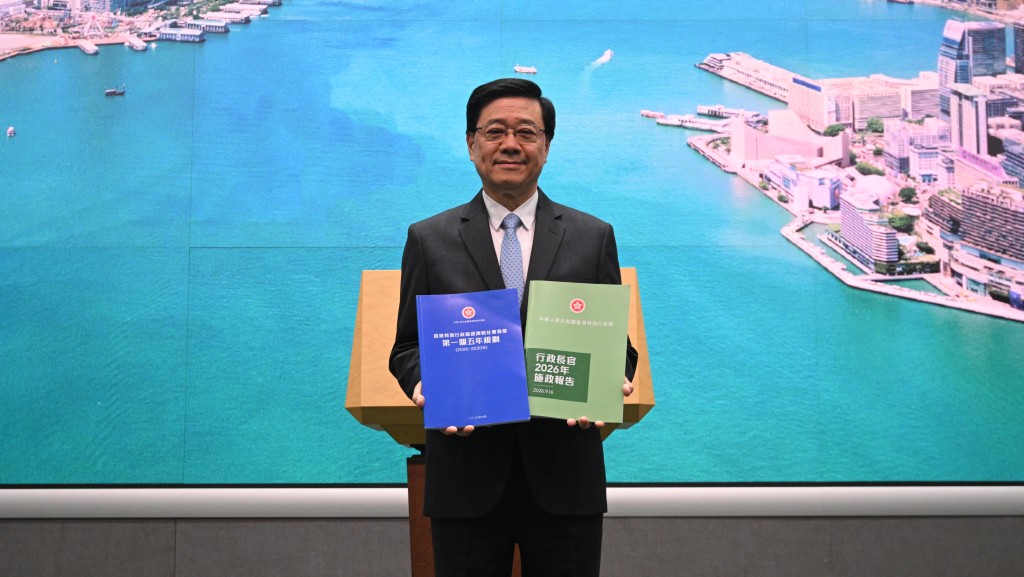
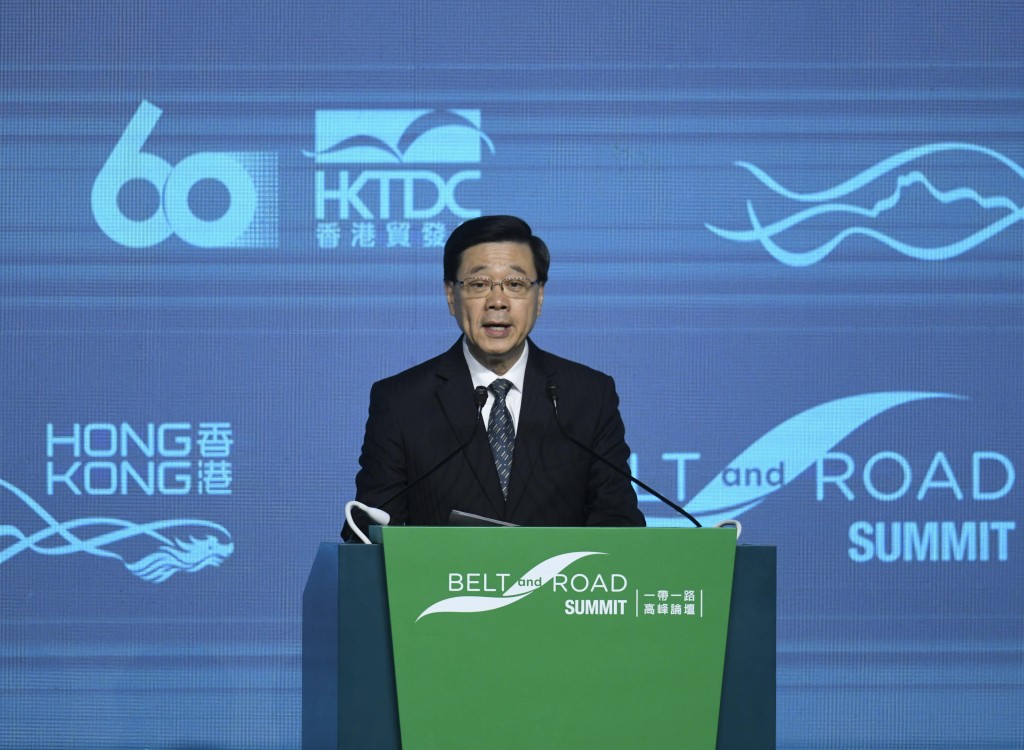
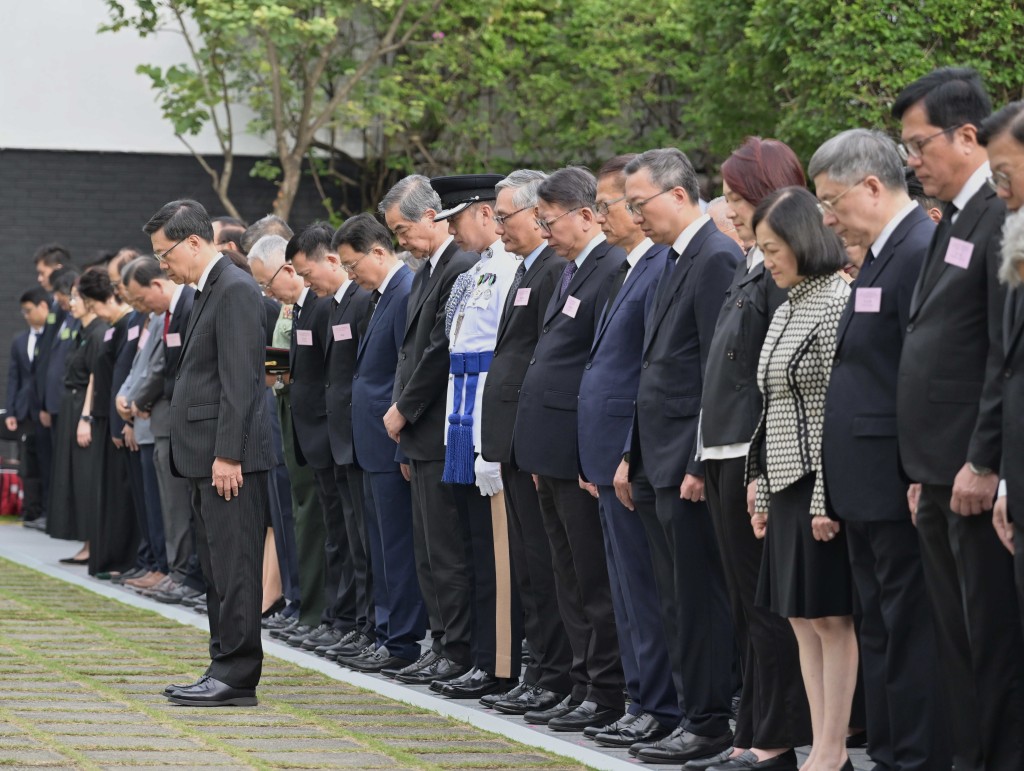
Acknowledging society's high expectations regarding the professionalism of judges, Lee said he respects the appropriate measures taken by the city's top judge to restore public confidence in the Judiciary.
Reaffirming the independence of the Judiciary, the city leader further expressed his confidence that all judges and judicial officers will continue to uphold the Judicial Oath and perform their duties diligently, independently, and professionally.
Early retirement is a "heavy price to pay," says Ronny Tong
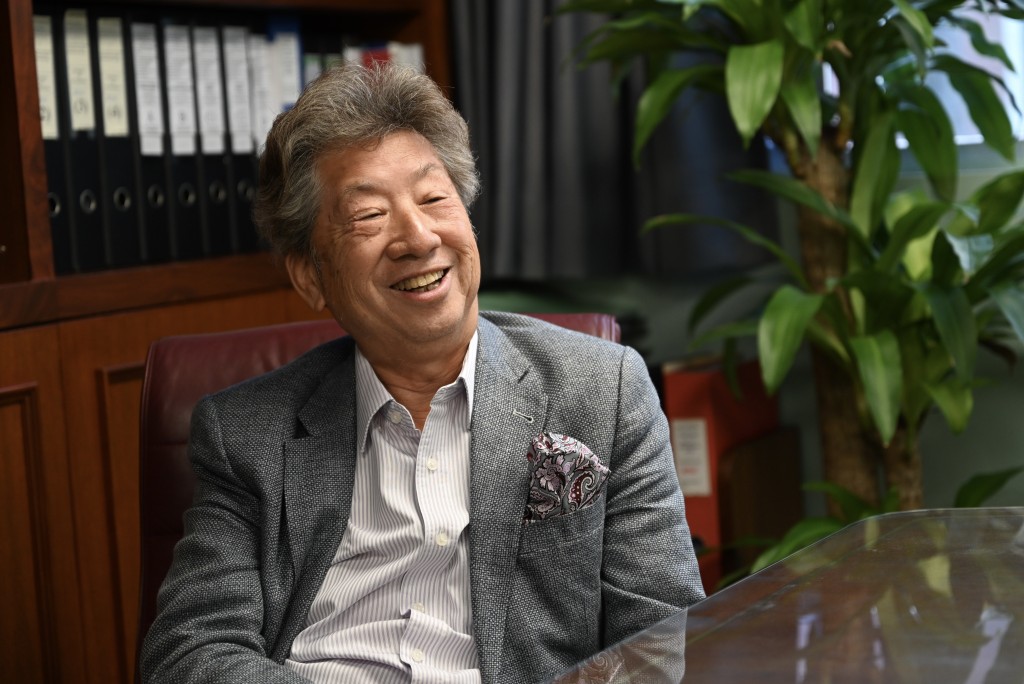
In response to the Judiciary's statement, veteran barrister Ronny Tong Ka-wah said on a radio program on Tuesday that the early retirement and damaged reputation already constitute a severe punishment.
(File photo)
Addressing the mechanics behind Chan’s early departure, Tong explained that judges cannot be easily dismissed under the current system.
He noted that Chan's acceptance of early retirement reflects his acknowledgment of public sentiment and the potential damage to the city's Judiciary. He added that a lengthy tribunal process would have been required had Chan refused the Chief Justice's advice to resign.
Although early retirement is not a formal legal punishment, Tong believes it already deals a heavy psychological and social blow to Chan.
Regarding why Chan's repeated plagiarism was not classified as "misbehavior" or misconduct, Tong pointed out that there is no precedent for this in Hong Kong. He stated that misconduct typically refers to serious personal wrongdoing, such as criminal offenses, while poor work performance falls under an "inability to discharge functions."
As Chan is retiring voluntarily, Tong said he should receive the relevant pension benefits according to his contract, urging the public to offer him a second chance considering his years of service.
The incident, Tong added, also reflects deeper issues concerning judicial manpower and quality, as most judges in Hong Kong are legal practitioners who "switch careers midway."
Given the lucrative incomes that top commercial lawyers command, Tong admitted it is extremely difficult to attract them to the bench, resulting in varying quality among candidates.
To address the shortage and uneven quality of judges, Tong revealed that his think tank is submitting a five-year plan proposal to the Chief Executive and the government.
With hundreds of law graduates entering the field each year, he suggested Hong Kong could study the examples of mainland China and other civil law jurisdictions by establishing a "Judicial Training Academy."
He believes such an institution could offer graduates not only internship opportunities but also direct vocational paths with specialized training, ensuring a steady supply of judges and significantly improving judicial quality over time.