Read More



Night Recap - July 27, 2026
2 hours ago







Ocean Park cable car sends passengers on swing as typhoon winds blow
26-07-2026 18:05 HKT



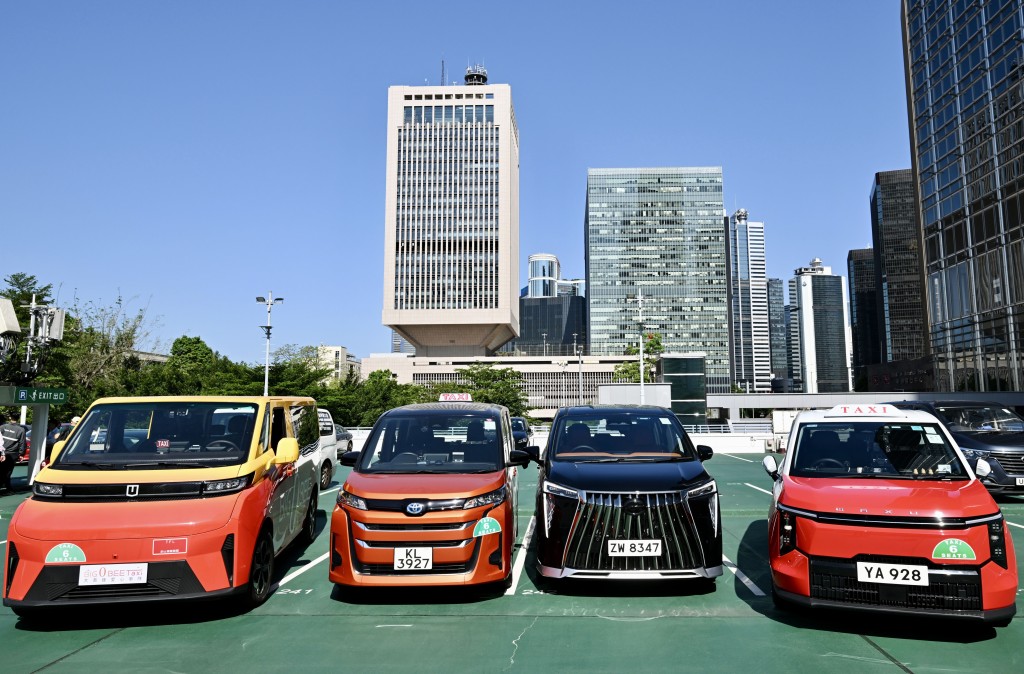
Only about 2,000 vehicles from the five premium taxi fleets have entered service as of July, one year after the initiative was launched to enhance the quality of taxi services and promote the healthy development of the embattled industry.
The figure, released by the Transport Department, falls 43 percent short of the government’s initial target of 3,500 vehicles.
Ben Chan Han-pan, chairman of the Legislative Council's Panel on Transport, noted that drivers are reluctant to join the new fleets, deterred by the strict regulations and excessive rules imposed by fleet operators.
Fleet expansion has also been severely slowed by local banks' dampened confidence in the taxi industry, creating hurdles in approving car loans for operators to purchase new vehicles.
Meanwhile, inadequate charging infrastructure has made drivers unwilling to rent electric taxis, creating a cycle where investors remain hesitant to enter the market.
Chan expressed hope that the upcoming crackdown on illegal ride-hailing services starting in August, combined with the issuance of 10,000 compliant licences in November, will eliminate unfair competition and restore order to the market. He described this order as the foundation for the industry's development.
However, Michael Tien Puk-sun, a member of the Roundtable political group, expressed concern that the crackdown on unlicensed drivers—which includes vehicle impoundments and licence suspensions—may have a limited deterrent effect.
Tien warned that veteran illegal drivers have become highly sophisticated at identifying undercover police officers.
He urged the newly licensed fleets to seize the regulatory window before November to improve their service quality and capture market share. Otherwise, he warned, the fleets risk being left to "fend for themselves" once the government issues more compliant ride-hailing licences.
Furthermore, some fleet operators are stepping up their efforts to combat the severe driver shortage. For instance, Joie Taxi is offering hourly wages and driver benefits such as vehicle charging and parking discounts, safe-driving bonuses, training courses, and licensing subsidies to help non-taxi drivers obtain their qualifications.
The operator reported that its active fleet reached 600 vehicles by July, representing 75 percent of its target. It also recently launched a specialised service dedicated to pet owners.
Joie stated that it welcomes fair competition that drives industry progress, urging the government to balance market demand, road capacity, and the livelihoods of existing professional drivers when drafting its upcoming ride-hailing policies.