Read More


Morning Recap - September 16, 2026
8 mins ago







Night Recap - September 15, 2026
9 hours ago




Seven arrested over Kwai Chung illegal gathering
14-09-2026 12:33 HKT


While corporate investors celebrate the booming trading card market, the aggressive financialization of the hobby has left genuine fans and casual buyers entirely priced out.
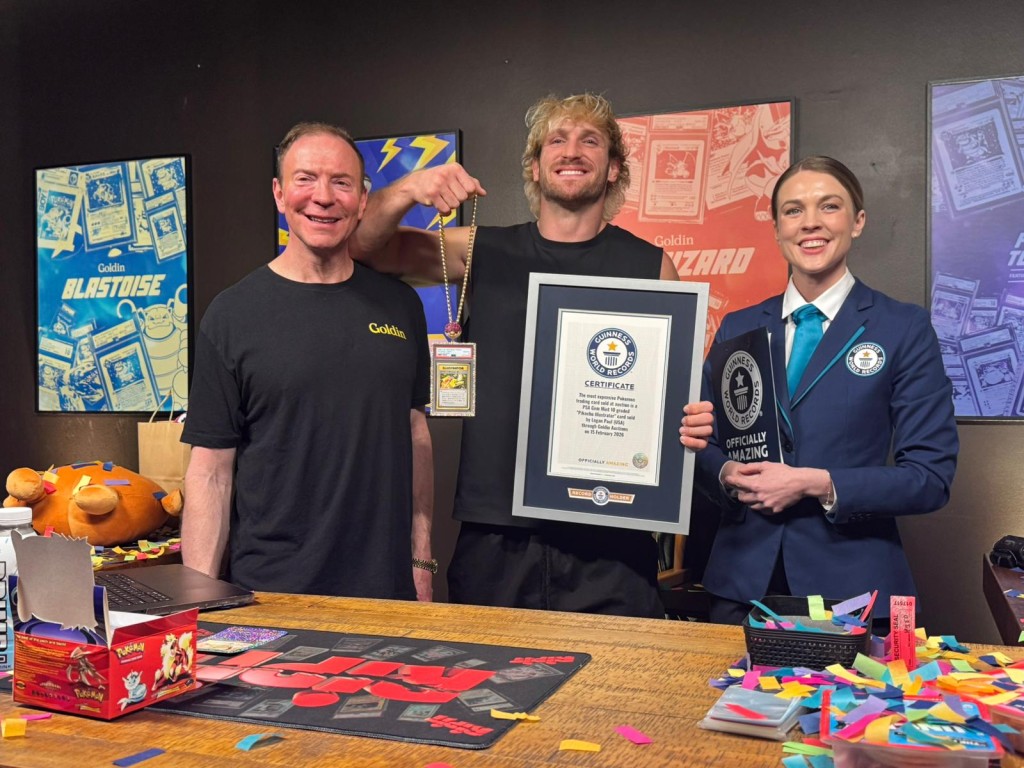
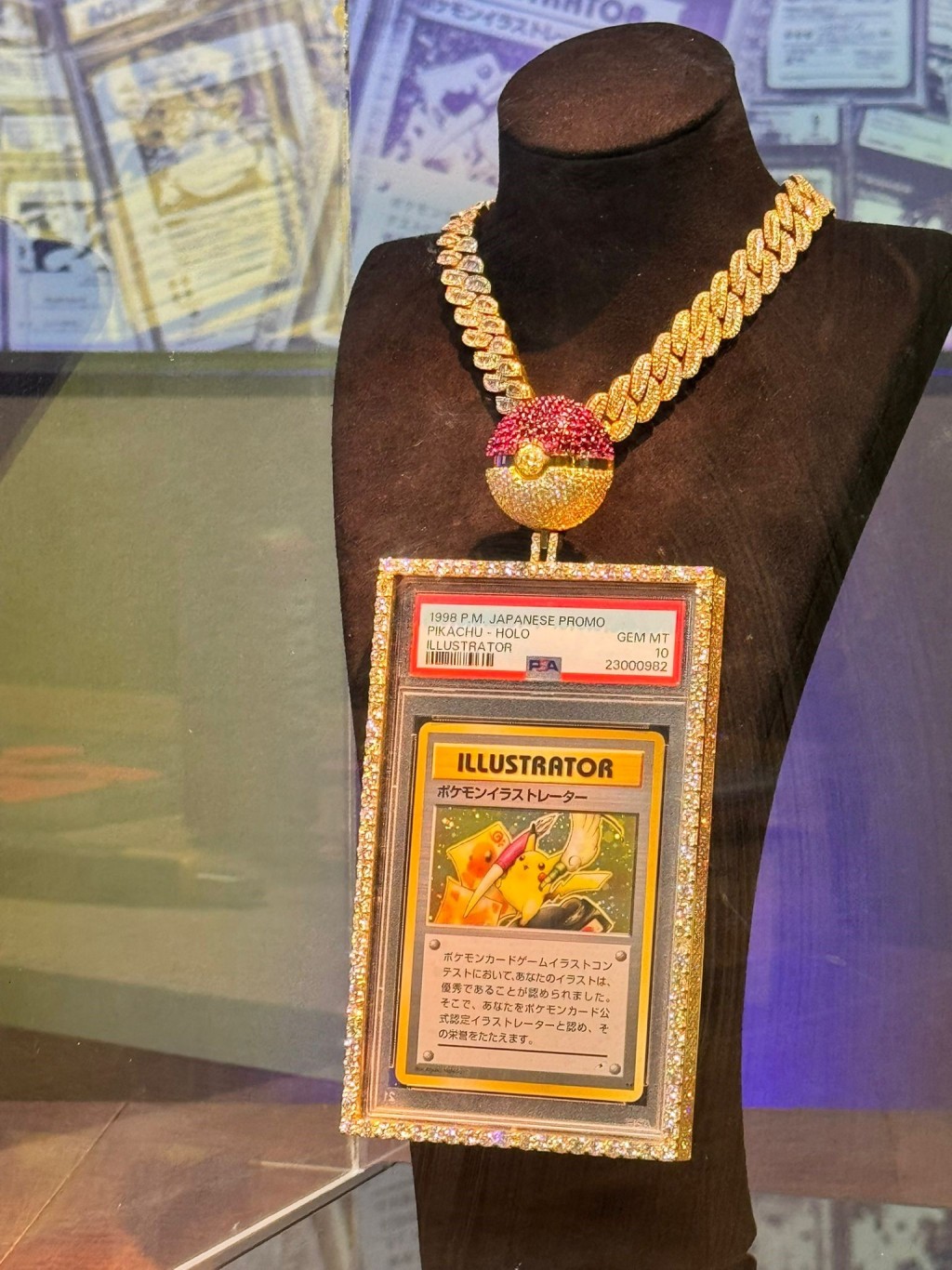
The astronomical valuation of modern collectibles was recently highlighted when American YouTuber Logan Paul sold an extremely rare Pokemon card for a staggering US$16.49 million (HK$128.62 million).
The card, a PSA 10-graded "Pikachu Illustrator" given away during a 1998 contest, was purchased by AJ Scaramucci, officially smashing the Guinness World Record for the most expensive trading card ever sold at auction.
But this extreme valuation at the top has created a toxic environment at the retail level.
A sister surnamed Wong recently experienced this secondary-market frustration firsthand when she tried to buy a limited-edition promotional card as a gift for her brother.
Finding it completely sold out due to online scalpers hoarding the merchandise, she was forced to pay inflated prices on resale platforms. "The card was supposed to be 'free'!" Wong lamented.
Wong and other casual fans have directed heavy criticism at the lucrative card grading industry – dominated by companies like Professional Sports Authenticator – which dictates a card's value based on its physical condition.
Because the price difference between a flawless "10" and a "9" can be double, Wong noted the process feels like a "scam," especially given that grading fees scale with the final value of the card and results can be wildly inconsistent.
Vendors have also adopted aggressive tactics to capitalize on the hype, setting up vending machines and "lucky draw" games that promise pristine, rare cards but frequently yield low-value items. "Ultimately, participants run the risk of spending far more on the draws than the actual market value of the prize," warned a 15-year Pokemon fan.
With scalpers using precision scales and metal detectors to isolate rare holographic packs from store shelves, a trading game meant for all ages has been transformed into a cutthroat business, deterring newcomers who fear being scammed.
Furthermore, while the cards appear to be a hot speculative asset, the underlying investment risks are considerable.
Market liquidity is incredibly low, meaning that attempting to sell off holdings can easily trigger a stampede of price undercutting among sellers.
Additionally, the official distributor retains the power to reprint cards at any time, which instantly increases market supply and severely dilutes the value of existing collections.