Read More


Morning Recap - September 16, 2026
12 mins ago



Night Recap - September 15, 2026
9 hours ago

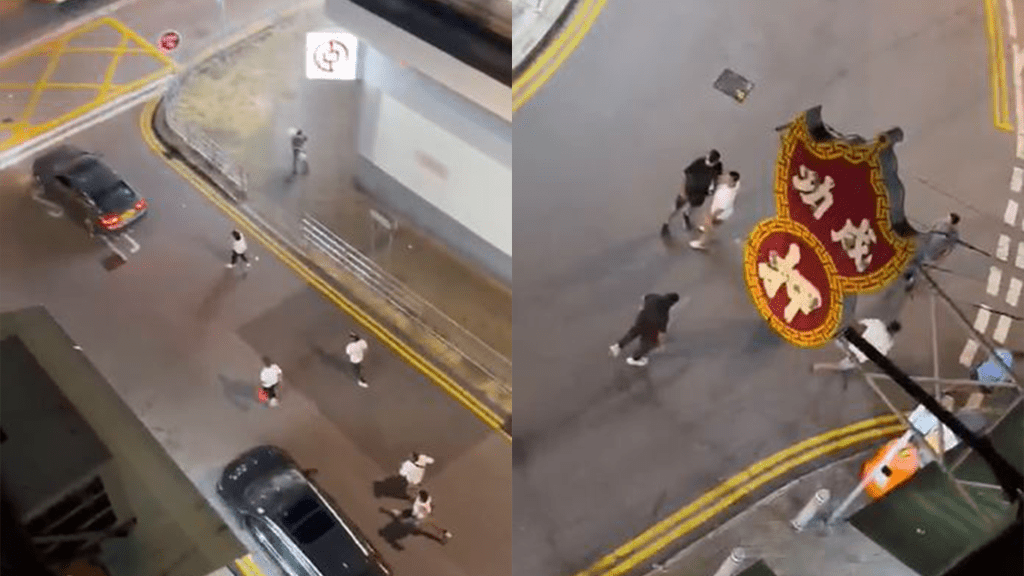
Seven arrested over Kwai Chung illegal gathering
14-09-2026 12:33 HKT


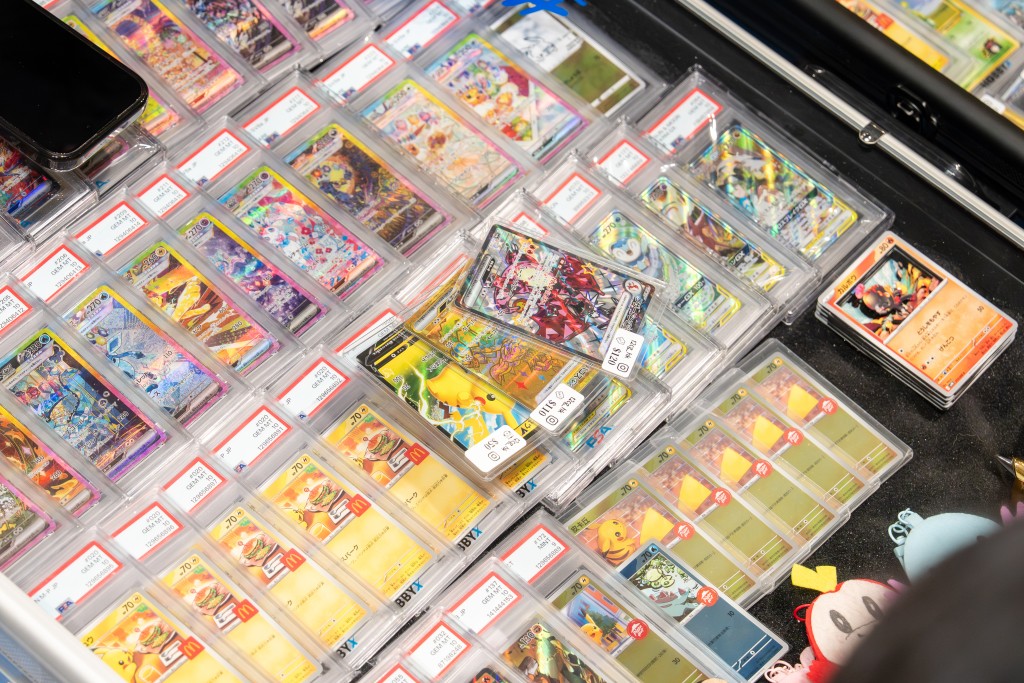
Childhood nostalgia has collided with big business, transforming what was once a simple schoolyard pastime into a sophisticated global financial engine. The trading card market, long dominated by franchises like Pokemon, has exploded into a multi-billion-dollar industry – and Hong Kong’s wealthy elite are moving quickly to cash in.
According to a recent report by the Hong Kong Trade Development Council, the global trading card transaction market was valued at US$15.8 billion (HK$123.2 billion) in 2024 and is projected to grow to US$23.5 billion by 2030.
In Hong Kong, this booming market is no longer just for hobbyists. The demographic has shifted heavily toward adults with disposable income looking for financial returns. "Most of our customers are collectors and investors, and about 80 percent of collectors essentially function as investors now," explained George, an independent card seller in the city. "Competitive cards needed for actual gameplay are incredibly cheap... a meta deck costs only around US$40."
Recognizing the immense financial allure of this alternative asset class, prominent local investors and billionaire heirs are formalizing the industry.
Recently, investor Lui Yu-kin – widely known as Ken Sir – partnered with third-generation billionaire Derek Cheung to launch a dedicated trading card and sports card business segment.
Cheung revealed that his passion for card collecting was reignited in July of last year after participating in several card games at the Ani-Com & Games Hong Kong.
Seeing that people from Hong Kong previously had to fly to Japan to hunt for cards, he had an ambitious idea: "I want to open a card shop in Hong Kong that is even better than the ones in Akihabara, Tokyo. That is the founding vision of HKTCG," short for Hong Kong Trading Card Game Limited.
A joint venture with EDICO Holdings Limited holding a 51 percent stake, HKTCG aims to diversify its revenue sources, a move that saw its stock rise by 2.8 percent to close at 0.73 dollars following the announcement.
Instead of relying solely on standard retail sales, HKTCG generates revenue by charging fees for specialized card storage, consignment, and professional card authentication and grading services.
The company has opened a 21,000-square-foot flagship store in iSQUARE, which offers a membership-based system for card battle facilities and will host paid tournaments, collector exhibitions, and celebrity meet-ups.
This commercialization of nostalgia has captured the attention of other elite Hong Kong families as well.
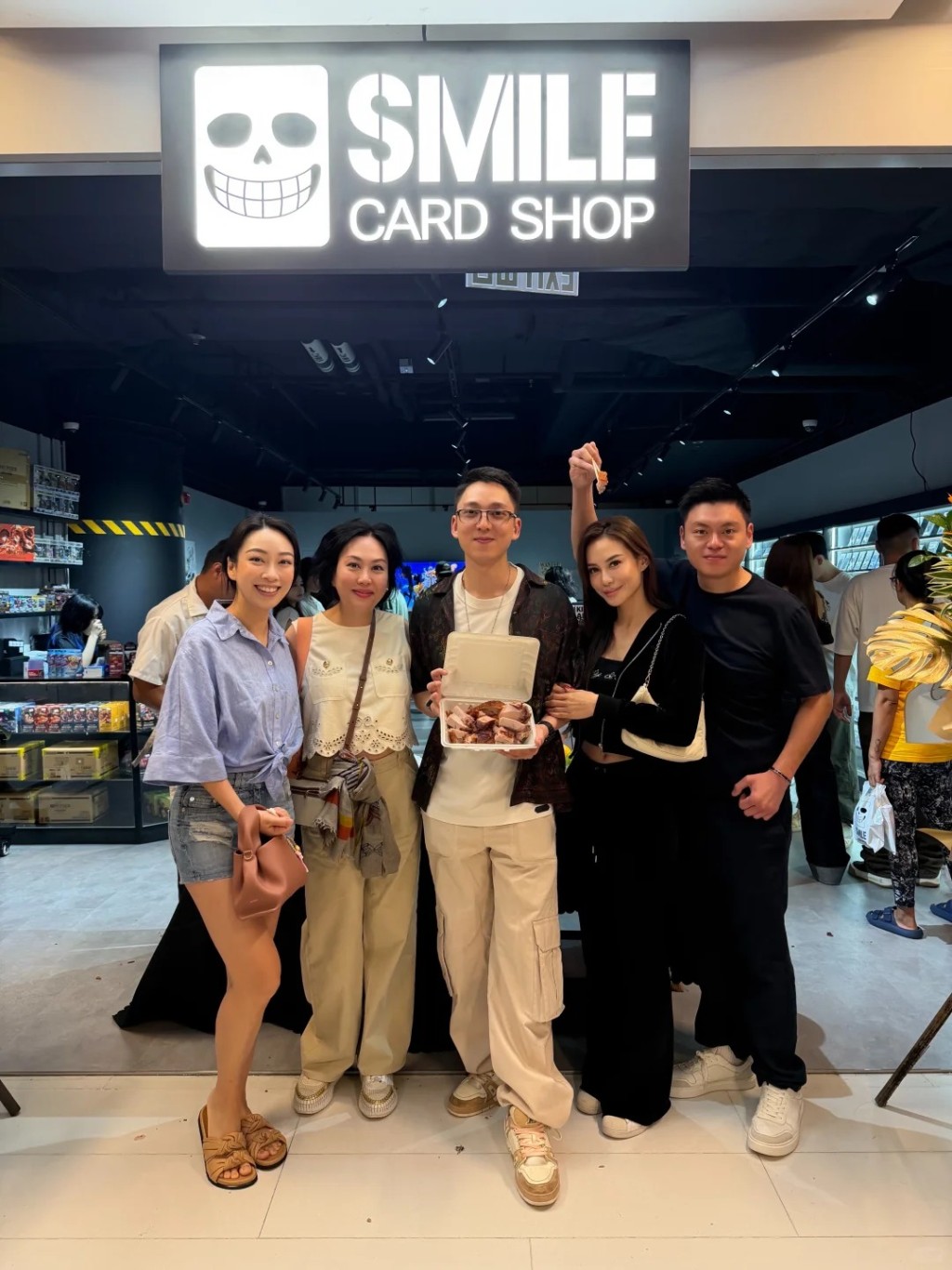
The opening of the HKTCG flagship coincided with the launch of Smile Card Shop, a specialized One Piece card store owned by Howard Lam, a descendant of the late billionaire tycoon Lim Por-yen.
The debut brought together five high-profile heirs of the prominent Lim family – including Vanessa, Veronica, Evelyn, and her twin brother Lucas Lam – highlighting high-society’s deep interest in the lucrative collectibles industry.
Furthermore, Hong Kong-listed digital asset firm MemeStrategy announced plans to launch card-backed lending in the fourth quarter. Earlier this year, the firm launched a Pokemon token fund with mainland Chinese partner PokeColor and attended a historic auction for a rare illustrator card in the United States.
Despite a brief market correction following the massive popularity boom during the Covid-19 pandemic, insiders remain incredibly bullish. "The market is still growing at a very healthy rate," seller George noted. "In fact, I’d argue its growth is stronger than the S&P 500."