






Read More

Morning Recap - September 8, 2026
2 hours ago

Night Recap - September 7, 2026
12 hours ago
AI model predicts tropical cyclone to approach within 400km of HK on Sat
06-09-2026 18:58 HKT


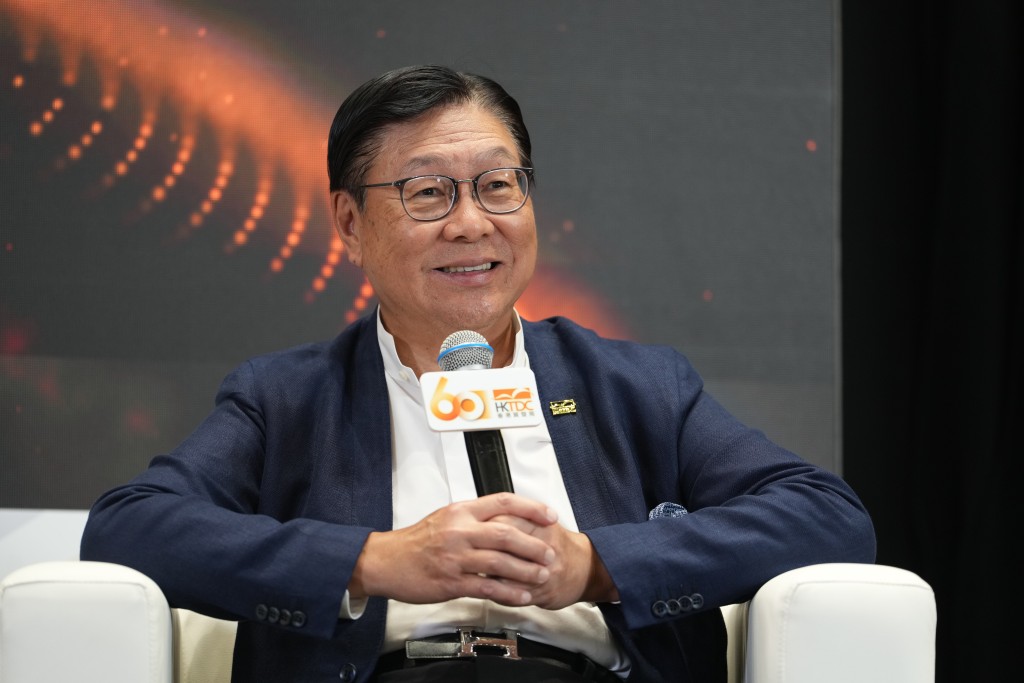
The Hong Kong Trade Development Council will reorganize its operations into six industry clusters and open a representative office in Cairo as it steps up support for companies expanding into emerging markets.
Announcing the measures as the statutory body marks its 60th anniversary, HKTDC chairman Frederick Ma Si-hang said the restructuring would improve operational efficiency while directing more resources toward high-growth markets in Central Asia, the Middle East and North Africa.
The HKTDC currently operates 51 offices worldwide, covering mainland China, Asia, Europe, the Americas, the Middle East and Africa.
Ma said a new consultant office would be established in Cairo within the next six to nine months to strengthen the council’s coverage of North Africa.
The HKTDC does not plan to close any existing office but will reallocate resources according to changing business opportunities.
Its consultant office in Almaty, Kazakhstan, will receive additional support to serve Hong Kong companies operating across the five Central Asian countries, while resources in the United States will be redirected partly toward South American markets, including Brazil and Peru.
Ma said the adjustments reflected a gradual shift in global economic momentum toward emerging markets and the growing demand from mainland and Hong Kong companies for overseas expansion.
“We adopt a customer-centric, industry-focused approach to target high-growth emerging markets,” he said. “This will enable us to help enterprises develop their promotional strategy with more comprehensive and integrated global solutions.”
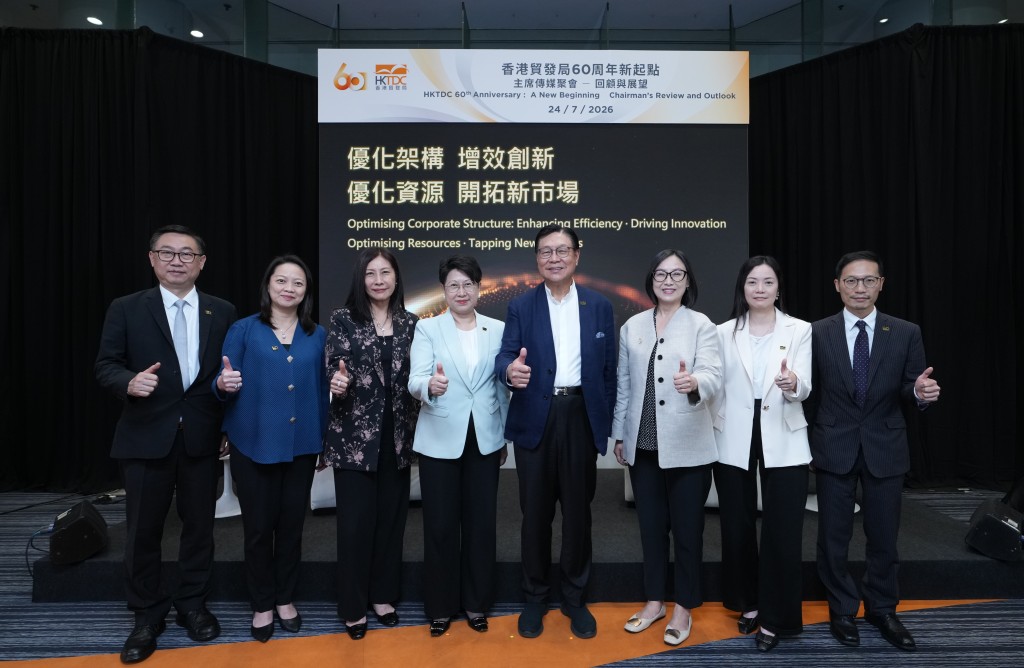
Under the organizational restructuring introduced this month, the HKTDC has established six clusters covering finance and professional services; global networks and supply chains; technology and digital innovation; wellness and creative industries; consumer goods and lifestyle; and corporate development.
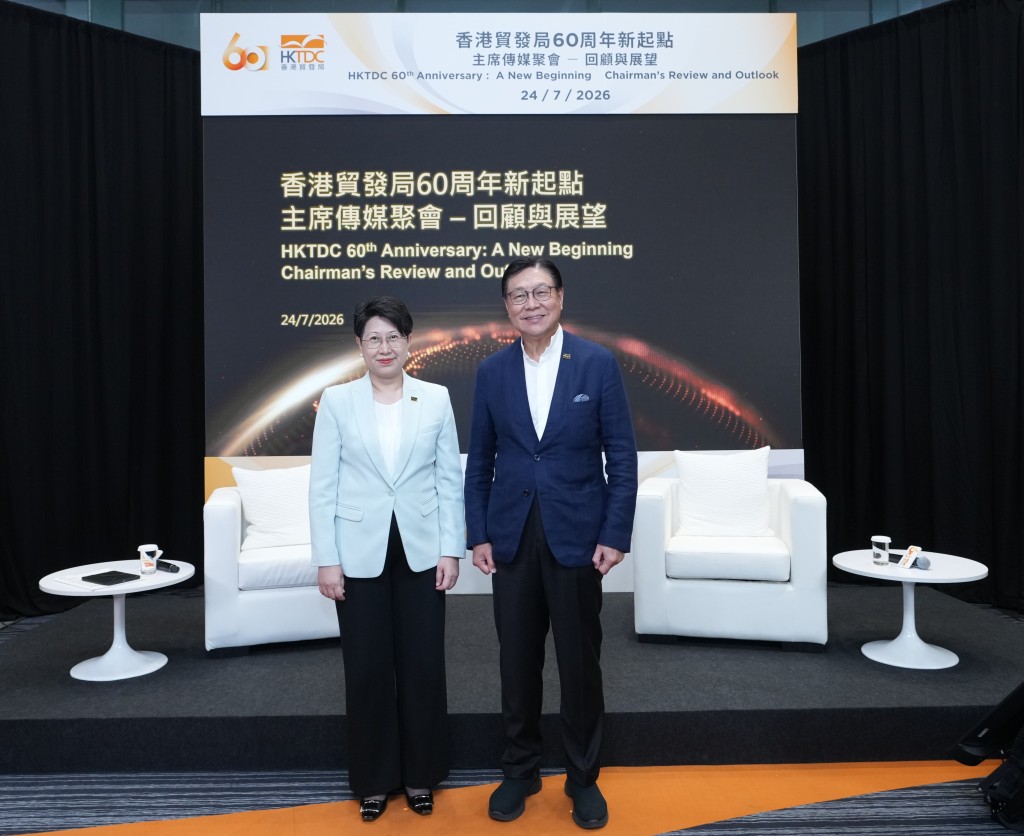
HKTDC executive director Sophia Chong Suk-fan said the new structure would improve coordination among teams and allow companies to access more integrated support through a single point of contact.
Businesses seeking market intelligence, exhibition opportunities, investor matching, production expansion or access to new markets would be able to receive assistance across the council’s different functions, she said.
The management structure will also be adjusted so that a deputy executive director oversees each cluster. Three assistant executive directors will be promoted, while one additional deputy executive director will be recruited.
“The cluster approach not only enhances operational efficiency, but also the sector knowledge and network of the organization,” she said, adding that the HKTDC aimed to serve companies not only as a “super connector” and “super value-adder,” but also as a “super partner.”
Asked about new US tariffs imposed on multiple trading partners, Ma said he expected the impact on Hong Kong to be limited.
He forecast that the city’s total export value could grow by at least 20 percent this year, with the increase potentially reaching 28 to 29 percent.
Ma also noted that the SAR government and HKTDC have been actively promoting Hong Kong to overseas markets in the past few years, helping the city to secure fifth place globally in merchandise trading, underscoring its importance as an international trade hub.