Read More






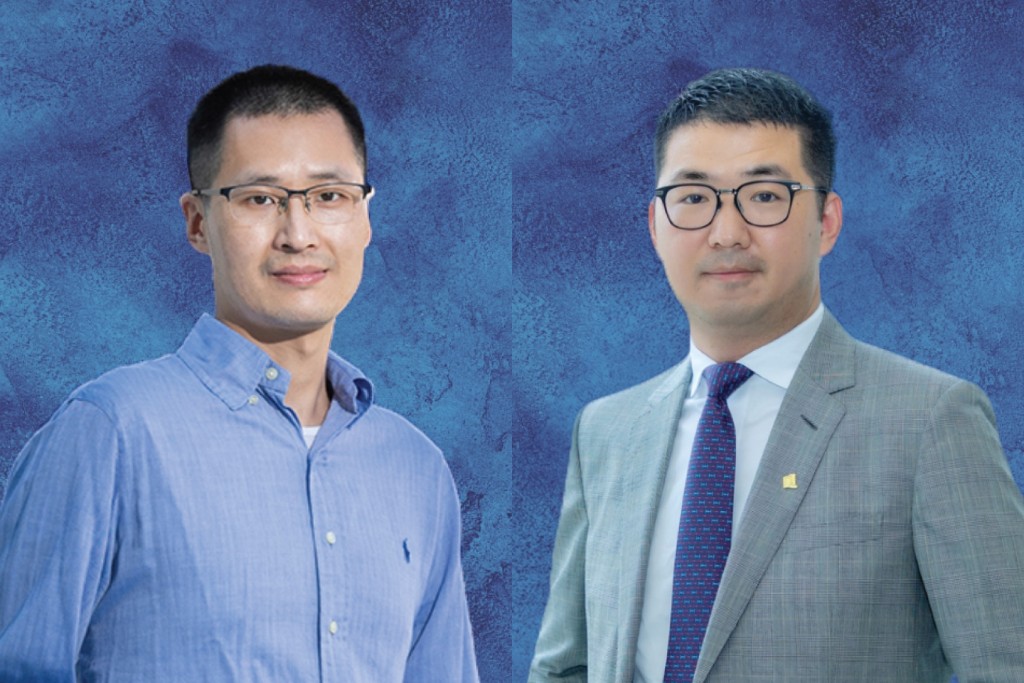
Two prominent researchers from Hong Kong Baptist University have been awarded more than HK$14 million in prestigious government fellowships to tackle two of the modern world's most pressing challenges: the escalating urban heat crisis in southern China and the operational safety of autonomous artificial intelligence systems.
Professor Gao Meng from the Department of Geography and Professor Han Bo from the Department of Computer Science were recognized under the Research Grants Council’s 2026/27 fellowship schemes.
This initiative provides top-tier academics with five years of sustained financial backing and relief from teaching and administrative duties, allowing them to focus entirely on their groundbreaking research and the mentorship of future scientists.
University leadership praised the dual accolades, noting that the awards highlight the institution's commitment to delivering innovative solutions for global sustainability and technological advancement.
This success coincides with the university recently securing a record-breaking ninety-five funded research projects across several other government grant programs.
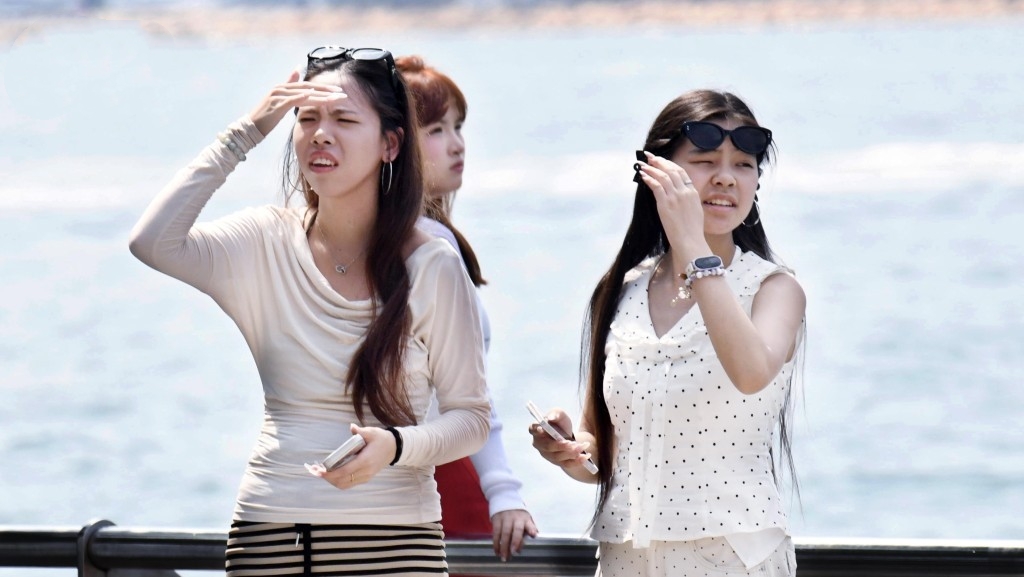
Receiving approximately HK$8.5 million as a Senior Research Fellow, Professor Gao will focus on the severe urban heat island effect and localized air pollution plaguing the rapidly developing, subtropical megacities of the Guangdong-Hong Kong-Macao Greater Bay Area.
His research aims to protect the health of the region's eighty-six million residents by utilizing advanced machine learning, atmospheric chemistry, and urban climate modeling. His team will evaluate the most effective combinations of natural interventions, such as green roofs and public parks, alongside engineered solutions like reflective building materials.
The project is designed to create a practical, data-driven blueprint for building healthier, climate-resilient cities that can be applied to urbanizing regions worldwide.
Professor Han, designated as a Research Fellow with a grant of over HK$5.6 million, will address the growing vulnerabilities of next-generation artificial intelligence.
As AI evolves from passive chatbots into fully autonomous agents capable of making independent decisions, these systems run the risk of generating false information, misusing digital tools, and creating physical safety hazards in unpredictable environments.
To counter this, his project will develop a unified, highly efficient reasoning framework that eliminates digital hallucinations and ensures environmental robustness.
His research emphasizes building trust and safety directly into the foundation of AI systems, a step he considers vital for high-stakes, safety-critical industries such as healthcare and automated programming.
Both scholars are recognized globally for their expertise, ranking among the world's top two percent of scientists according to metrics compiled by Stanford University. Professor Gao brings a wealth of international accolades in atmospheric sciences and meteorology, including recognition from the European Geosciences Union and the Royal Meteorological Society.
Meanwhile, Professor Han holds prestigious awards from leading international computing and engineering organizations, including the Association for Computing Machinery and the Institute of Electrical and Electronics Engineers.
Their newly funded endeavors represent a significant leap forward in addressing critical environmental and technological hurdles on a global scale.