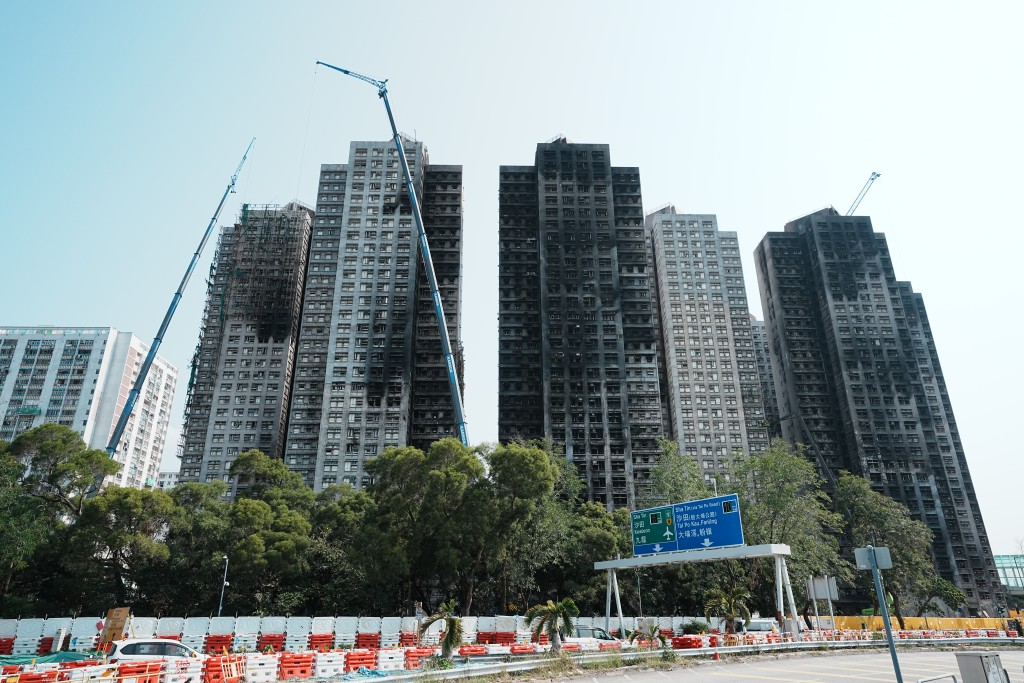
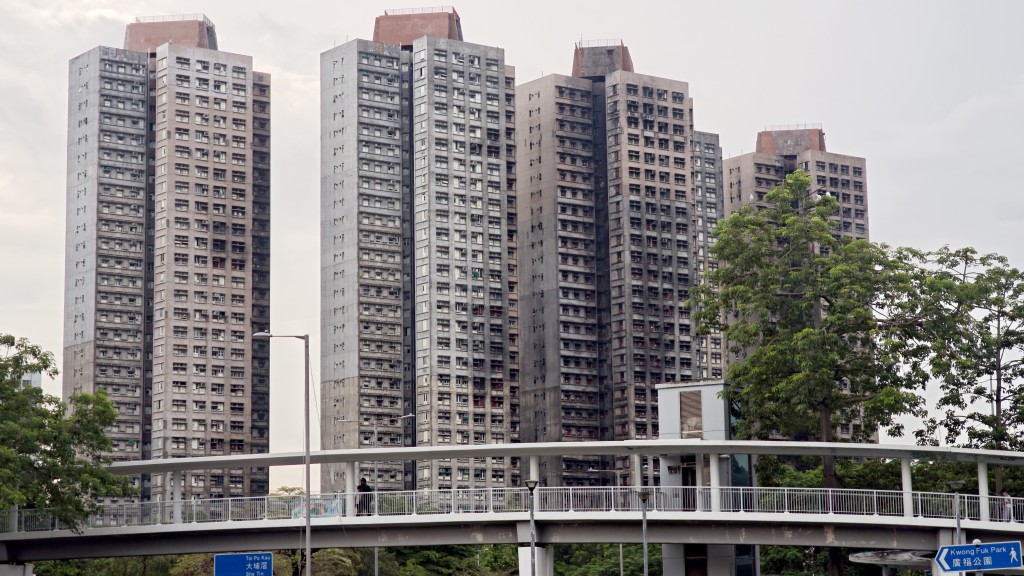
The government acknowledged systemic weaknesses surrounding last year’s deadly Wang Fuk Court fire but rejected suggestions that it should bear sole responsibility, as the final round of hearings continued on Thursday.
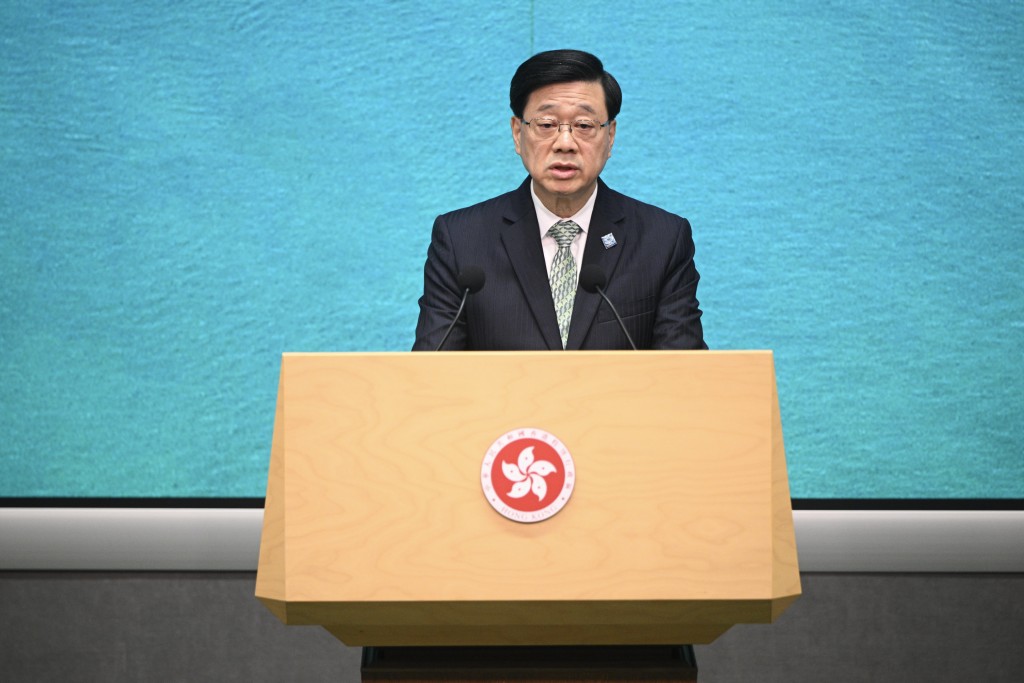
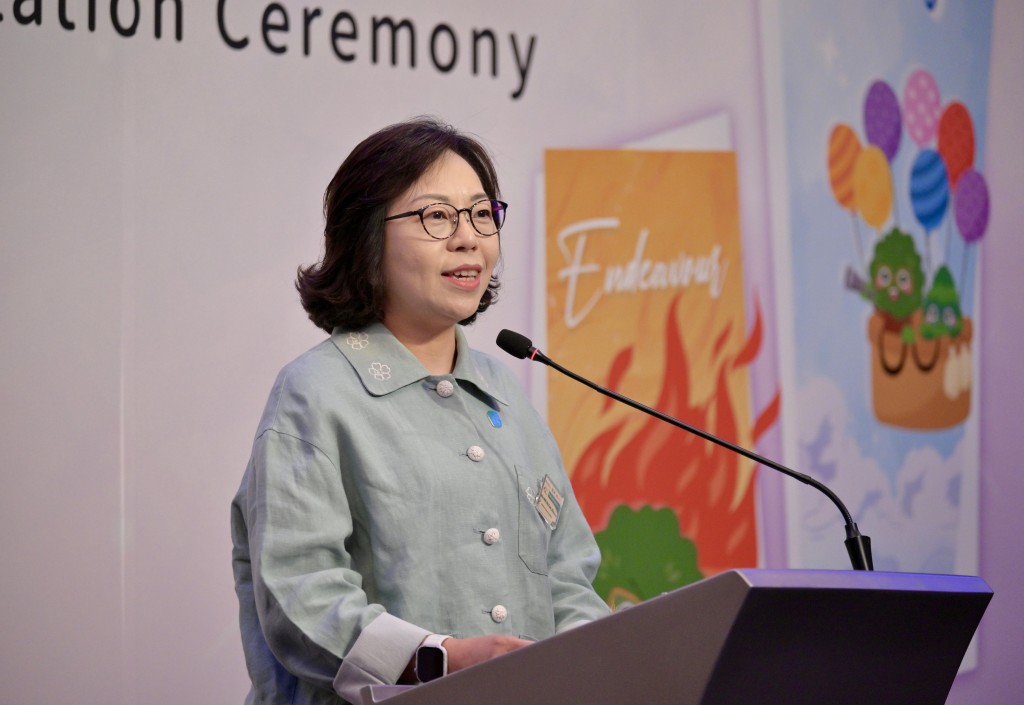
Senior Counsel Jenkin Suen, representing the government, made the remarks in closing submissions before the Independent Committee in relation to the fire at Wang Fuk Court in Tai Po.
Suen said the government had cooperated fully with the inquiry, arranging testimony from 31 witnesses across six departments and providing further statements and more than one million documents.
He said public scrutiny had largely focused on government departments because key parties involved in the renovation works, including main contractor Prestige Construction & Engineering and consultant Will Power, had not given oral evidence.
However, Suen argued that it would be unfair and one-sided to hold the government solely responsible. He also criticized some media reports for directly blaming the administration for the fire, saying systemic weaknesses should be distinguished from the immediate causes of the blaze.
Suen described the government’s role as supervisory, including setting standards for fire safety installations, construction materials and occupational safety, as well as operating registration, inspection, complaint-handling and enforcement systems.
He argued that contractors bore direct responsibility because the regulatory framework imposed clear legal duties on them.
Following a fire at the Mariners’ Club redevelopment project in Tsim Sha Tsui, the Buildings Department tightened requirements governing flame-retardant materials, Suen said.
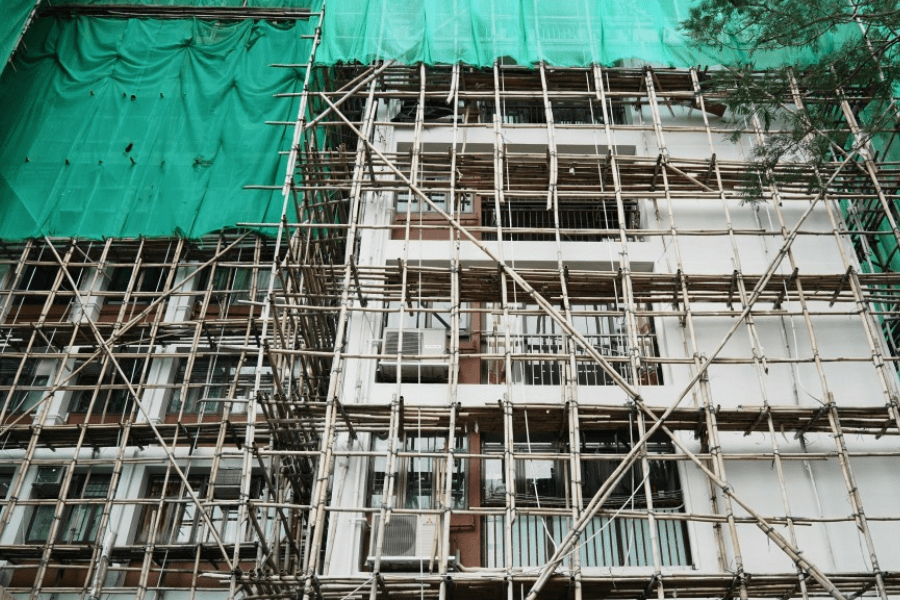
He added that the Independent Checking Unit had reminded authorized persons and contractors of material requirements and conducted burning tests on scaffolding nets at Wang Fuk Court after the Chinachem Tower fire.
Suen rejected suggestions that regulators had allowed parties involved in the project to breach rules, saying the existing framework already imposed clear duties on contractors and authorized persons. Enhanced supervision was intended to strengthen compliance and safety awareness, he added.
He also supported the committee’s decision not to recommend that it be converted into a statutory commission of inquiry with powers to compel witnesses and documents. The committee announced in June that it would continue its investigation under its existing structure.
Suen said the evidence already collected could still be used by courts and other authorities under established procedures. He added that the committee’s role was to establish facts and make recommendations, while questions of legal liability would be dealt with separately according to the relevant evidential standards.
Converting the inquiry into a statutory commission would prolong the proceedings, he said, while the current arrangement offered affected families greater flexibility and preserved room for further legal action.