Read More




















Following the implementation of the Hong Kong National Security Law, national security education has become an indispensable part of Hong Kong's education system.
While enjoying institutional autonomy and academic freedom, local tertiary institutions also provide national security-related content and activities for students to strengthen the younger generation's awareness of national security and law-abidingness.
Sing Tao Probe interviewed two scholars to delve into the role of tertiary institutions in national security education, curriculum design, and how to transform abstract legal provisions into knowledge that students can understand and apply, cultivating them into a new generation that safeguards national security.
Dr. Adrienne Lam Wing-yan, a lecturer at the National Security and Legal Education Research Centre at the Education University of Hong Kong (EdUHK), pointed out that the Holistic Approach to National Security covers two important areas: first, preventing, resolving, and managing national security risks; second, proactively enhancing national capability, competitiveness, and resilience to consolidate national security through development.
Using the analogy of "the country as a forward-moving giant ship," she emphasized that only when everyone paddles hard in the same direction can the country sail more steadily and further.
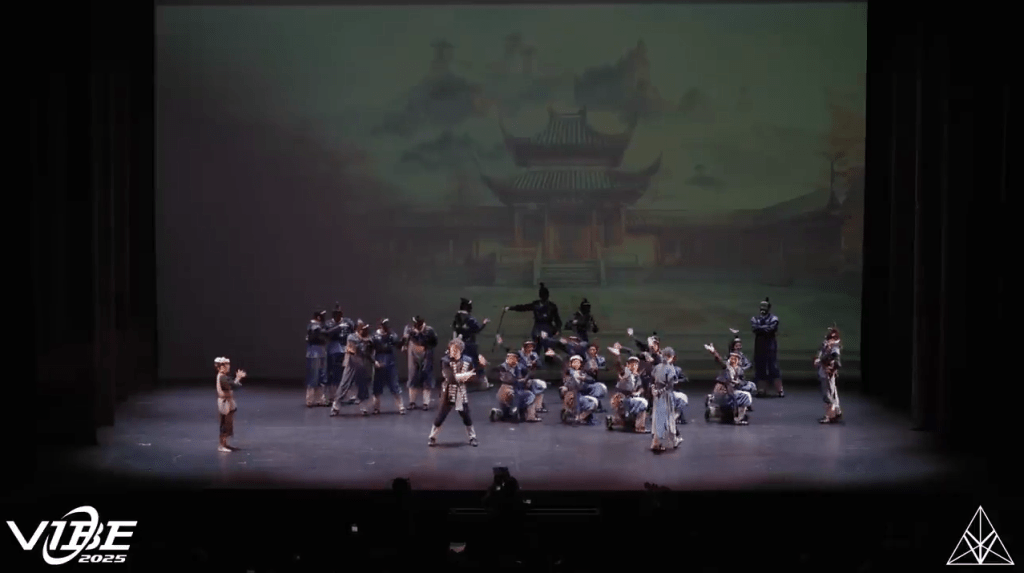
She further cited examples of China's recent achievements in cultural innovation, such as a Chengdu dance crew participating in an international street dance competition and winning second runner-up in the group category by integrating martial arts into their routine, and the success of the domestic animated film series Nezha.
These examples showcase cultural confidence through the fusion of tradition and innovation, which is also a manifestation of the developmental aspect of national security.
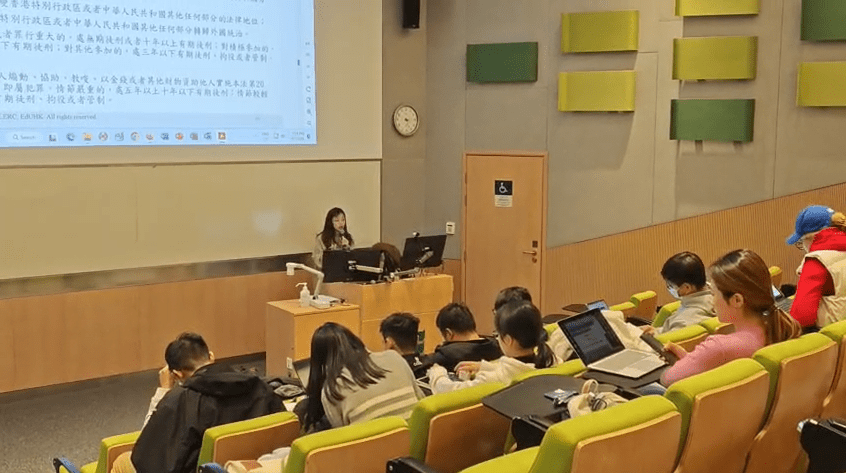
Compared to the foundational understanding in primary and secondary schools, national security education in tertiary institutions focuses more on deepening comprehension. Dr. Lam stated that the curriculum guides students to reflect on the connections between the Constitution, the Basic Law, the National Security Law, and other relevant laws, while exploring the relationship between the rule of law, human rights, and national security.
The goal is to enable students to integrate their understanding of national security and the rule of law into their personal professional practice and social lives, cultivating their ability to make lawful, rational, and responsible judgments.
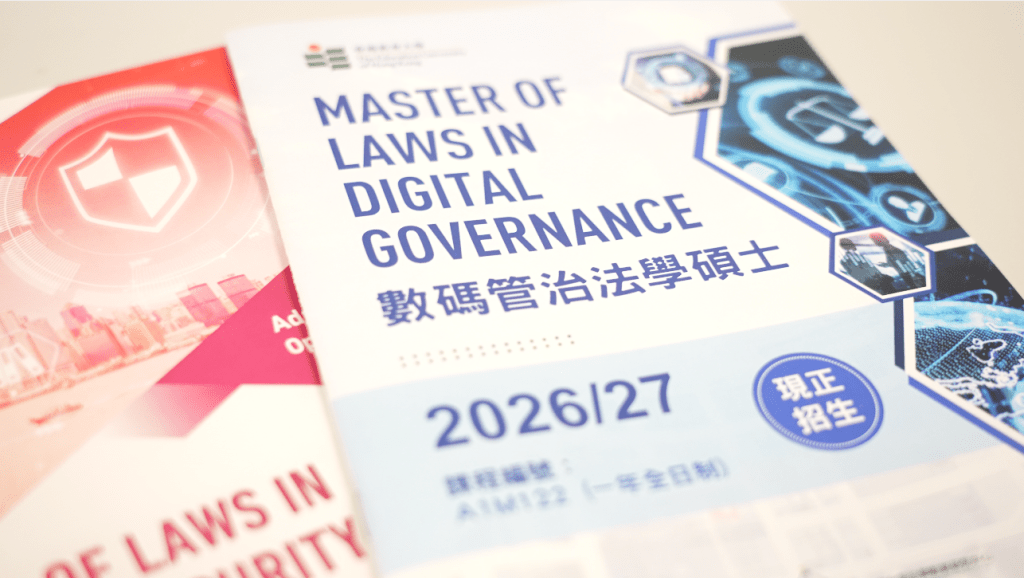
She continued that EdUHK promotes national security education through two dimensions: first, by providing a comprehensive national security curriculum system for undergraduate, higher diploma, and Postgraduate Diploma in Education (PGDE) students; second, by launching professional Master of Laws (LLM) programs, such as the Master of Laws in Digital Governance and the Master of Laws in National Security Law.
The content covers comparative national security law, international law, cybersecurity law, anti-terrorism law, and more, aiming to cultivate high-quality professional talents such as lawyers, mediators, and arbitrators.
As society enters the digital economy era, cybersecurity has become an important component of national security.
Professor Chan Cheuk-hay, President of the Hong Kong College of Technology (HKCT), pointed out that cybersecurity holds dual significance for individuals, institutions, and society: first, protecting oneself from infringement to avoid financial loss and legal liability; second, seizing development opportunities, which generates a massive demand for talent, software, and hardware services.
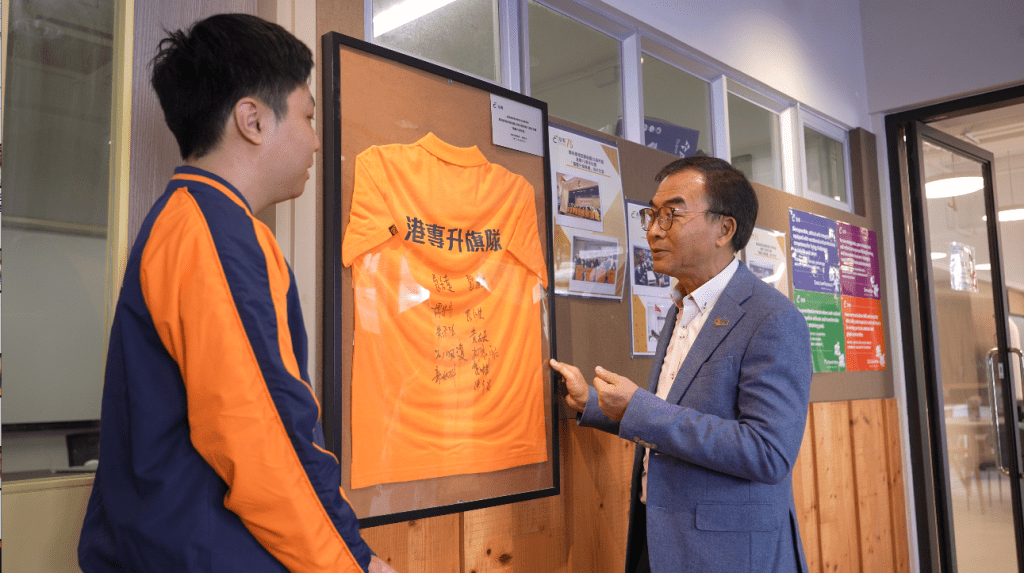
Chan noted that HKCT has been implementing national security education for many years and, in 2022, established the first student flag-raising team among self-financing institutions in Hong Kong.
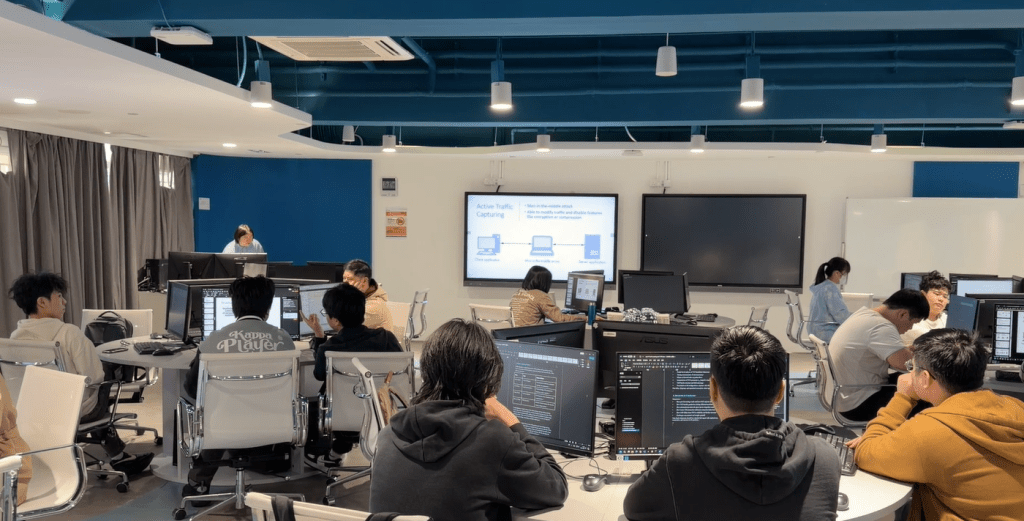
To address the national demand for cybersecurity talent, HKCT established the Institute of Cyberspace Technology in 2023. It built a four-in-one curriculum system comprising "technology, legal principles, practical operations, and patriotism," which covers applied learning for secondary schools, professional diplomas, bachelor's degree programs, and state-recognized certificate courses.
The teaching not only provides practical technical training such as cyber ranges and simulated cyber attack and defense drills, but also incorporates "legal compliance" and "professional ethics" into the curriculum to strengthen students' national security awareness.
Wu, a second-year student currently studying the Higher Diploma in Cybersecurity (Testing and Compliance) at HKCT, shared that learning relevant provisions of the Hong Kong National Security Law and the Basic Law in class helped him understand the legal boundaries of cyberattack behaviors.
He emphasized that learning cybersecurity skills requires not only technical proficiency but also acting in accordance with the law and possessing professional ethics.
He hopes to become a network engineering professional maintaining system security in the future, contributing to society with what he has learned.