
Read More
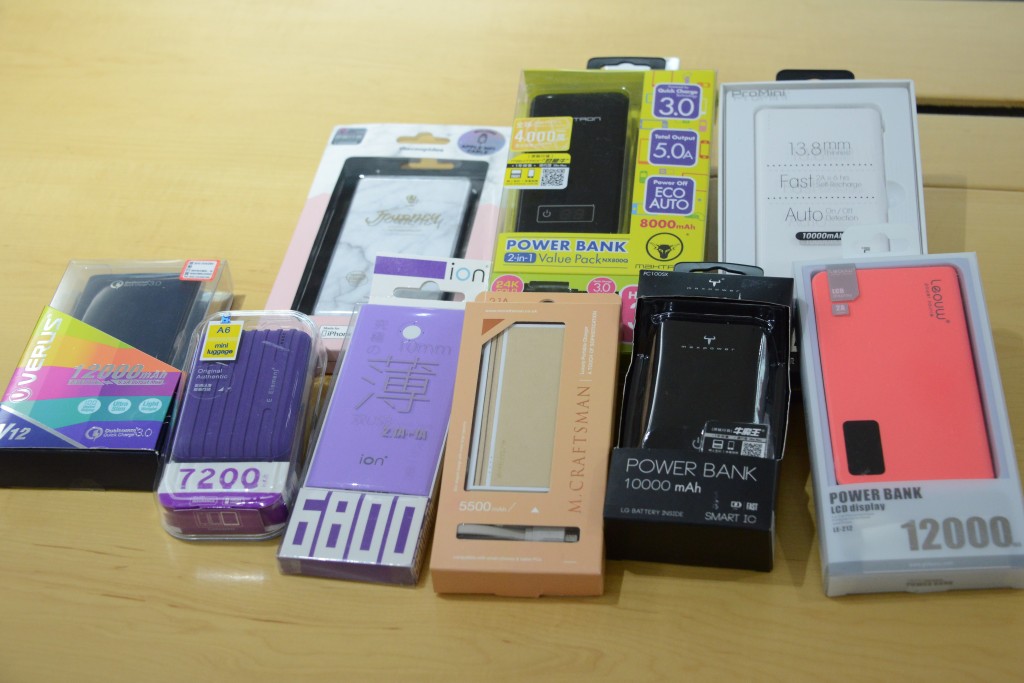
Portable chargers are everyday essentials, but recent accidents have sparked public safety concerns. In a recent international test of 15 power banks by the Consumer Council, all models passed basic safety checks.
ADVERTISEMENT
SCROLL TO CONTINUE WITH CONTENT
However, performance varied significantly, with Xiaomi emerging as the top performer as experts issued crucial guidelines for safe daily use.
Top performers and output efficiency
The tested 10,000-milliampere-hour models ranged in price from HK$158 to HK$569.
A model from the mainland Chinese brand Xiaomi took the top spot. Its magnetic 33W version with a built-in cable, priced at HK$209, was the only device to earn an overall score of 4.5 out of 5, excelling in conversion efficiency, labeling accuracy, and impact resistance.
Regarding temperature stability, models from Ego and Mophie maintained consistent power output even in 40-degree Celsius heat, earning perfect scores in that category.
Conversely, devices from XPower and Sharge saw their power output drop by 20 percent or more under extreme temperatures compared to room temperature.
Recharging and wireless capabilities
When testing how quickly the power banks themselves recharge, Xiaomi, Anker, and UGreen outperformed their competitors, whereas models from Nitecore and GP were notably slower.
The watchdog also evaluated nine models featuring wireless charging, highlighting that this cordless method is generally slower, less efficient, and generates more heat than traditional wired charging.
The Ego model performed best in this category, retaining over 70 percent of its wired capacity when used wirelessly.
Meanwhile, the Thinkthing Studio device suffered significant energy loss due to excess heat generation.
Maintenance and safety guidelines
Addressing common consumer queries, the Council advised against fully draining a power bank before recharging it.
Instead, users should maintain battery levels between 20 and 80 percent, avoiding leaving devices fully charged or completely depleted for extended periods.
For long-term storage, experts recommend keeping the battery at roughly 60 percent capacity in a cool, dry place.
The watchdog also cautioned that thick phone cases could severely reduce wireless charging efficiency by weakening the magnetic alignment between the device and the charger.
Crucially, consumers must immediately stop using any power bank exhibiting abnormal conditions, such as a swollen battery, deformed exterior casing, unstable charging, or unusually high temperatures.
When purchasing a replacement, buyers are urged to balance their capacity needs with device weight and strictly prioritize recognized safety certifications, such as the European Union's CE mark or mainland China's 3C mark.