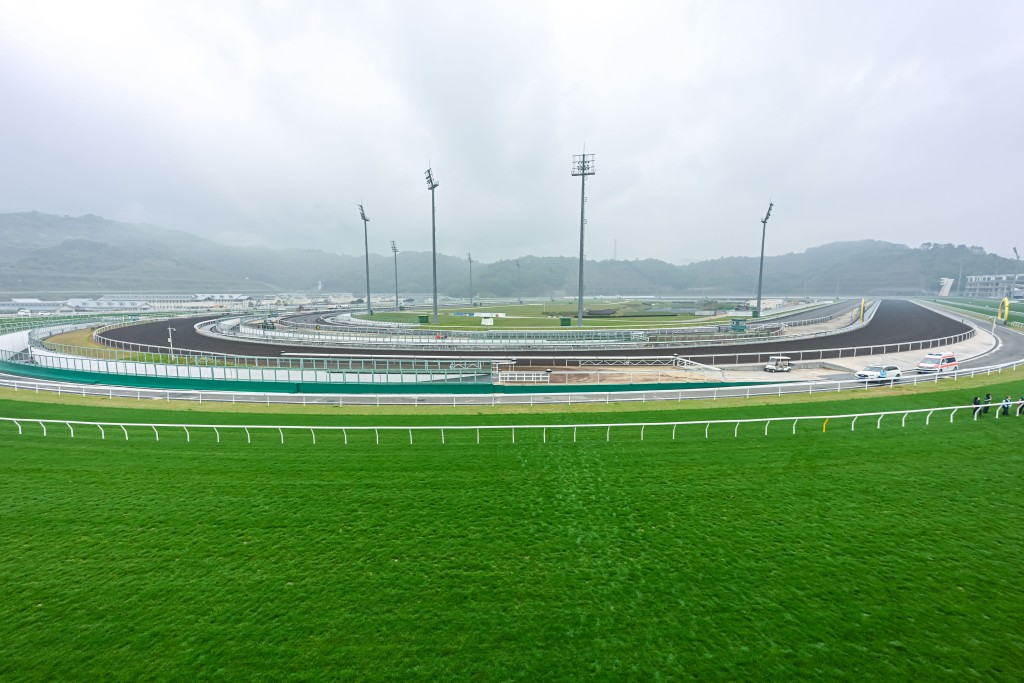
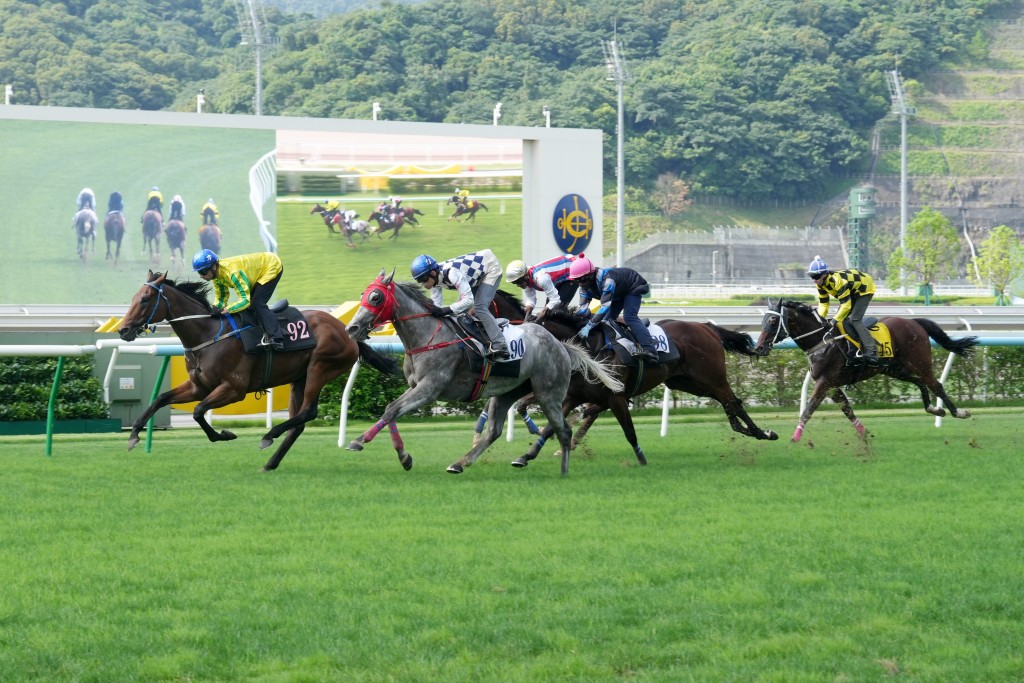
The Hong Kong Jockey Club (HKJC) announced that Conghua Racecourse will begin hosting regular world-class racing events from late October, marking a significant milestone for the horse racing industry. The races will adhere to international standards and strict regulatory mechanisms, mirroring those in Hong Kong. Notably, no betting will be allowed, with the focus on promoting equestrian sports and fostering growth in related industries.
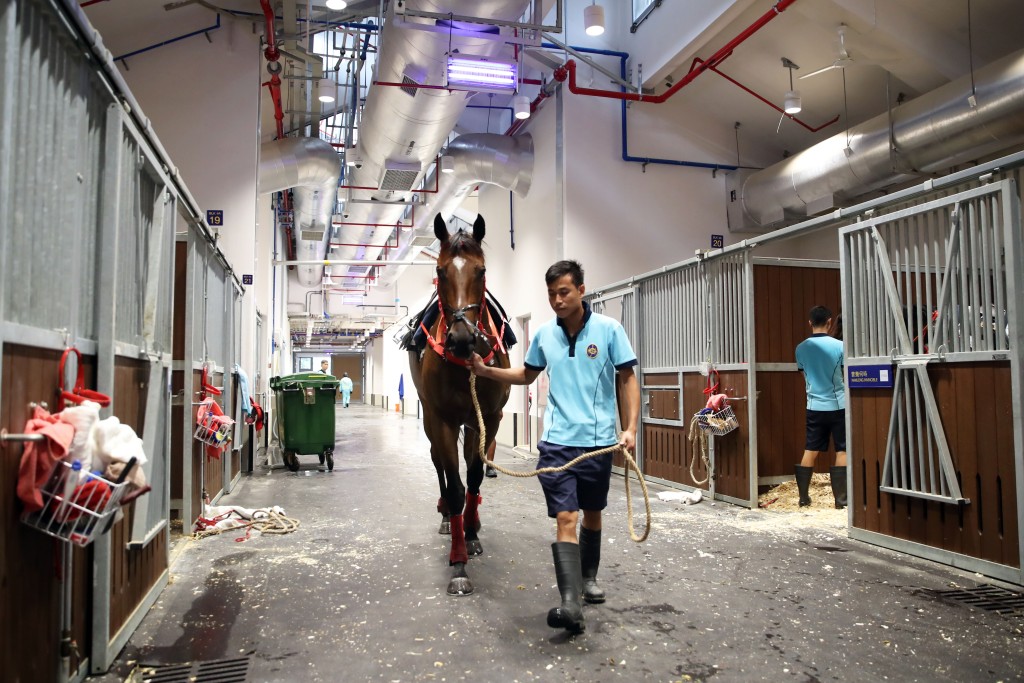
The facility, converted from the 2010 Asian Games equestrian venue in Guangzhou, has operated alongside Sha Tin Racecourse as a world-class training center since August 2018.
Under the "Two Cities, Three Racecourses" framework — encompassing Happy Valley, Sha Tin, and Conghua Racecourses— the initiative aims to expand stable capacity and accelerate Sha Tin's renovation, bringing Hong Kong's active racehorse population to over 1,330.
With the mainland actively developing its horse industry, it is believed that the Conghua Racecourse is well-positioned to bring significant opportunities and play a key role in the city’s industry growth.
"In terms of capacity, facilities, and quality, Conghua fulfills a strategic function that drives Hong Kong’s racing development," HKJC chief executive Winfried Engelbrecht-Bresges said.
He further explained that Conghua Racecourse, the mainland's first internationally recognized disease-free zone, was built for the 2010 Asian Games and now enables quarantine-free horse movement across borders.
Expanding the city's racehorse population
Following nearly 50 years of operation, Sha Tin's stables are undergoing a renovation that began in 2024, with the first phase of a six-phase development plan now completed.
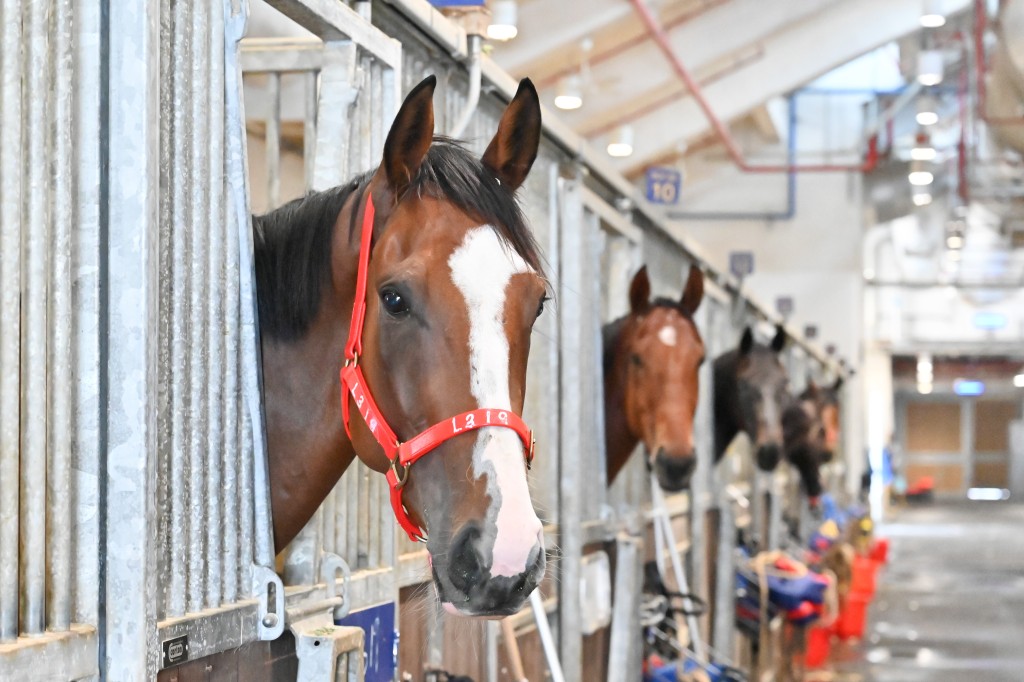
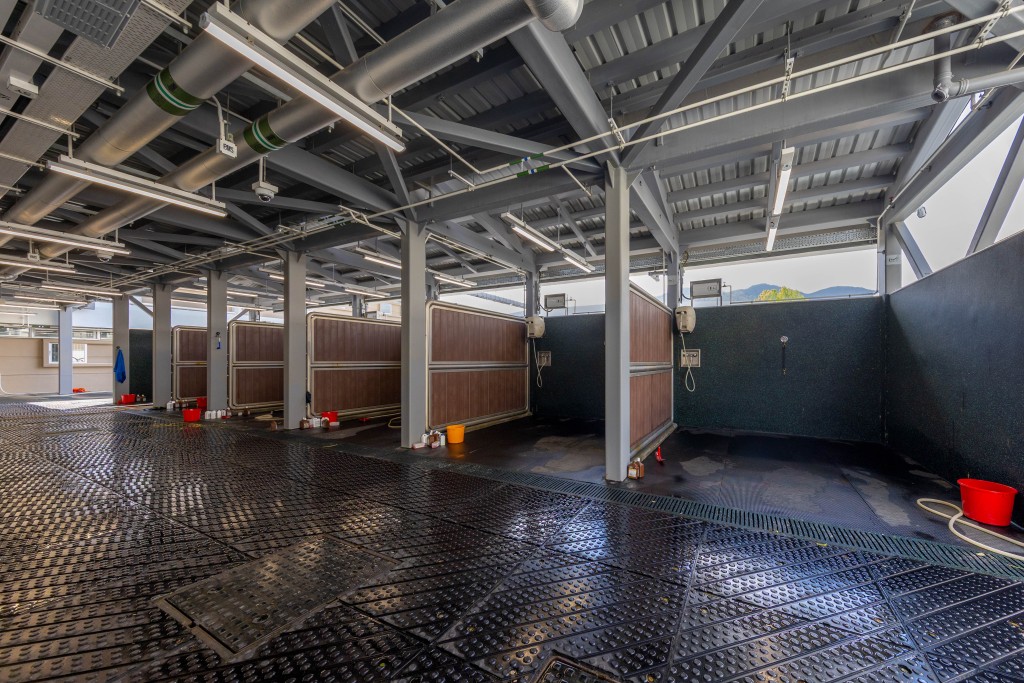
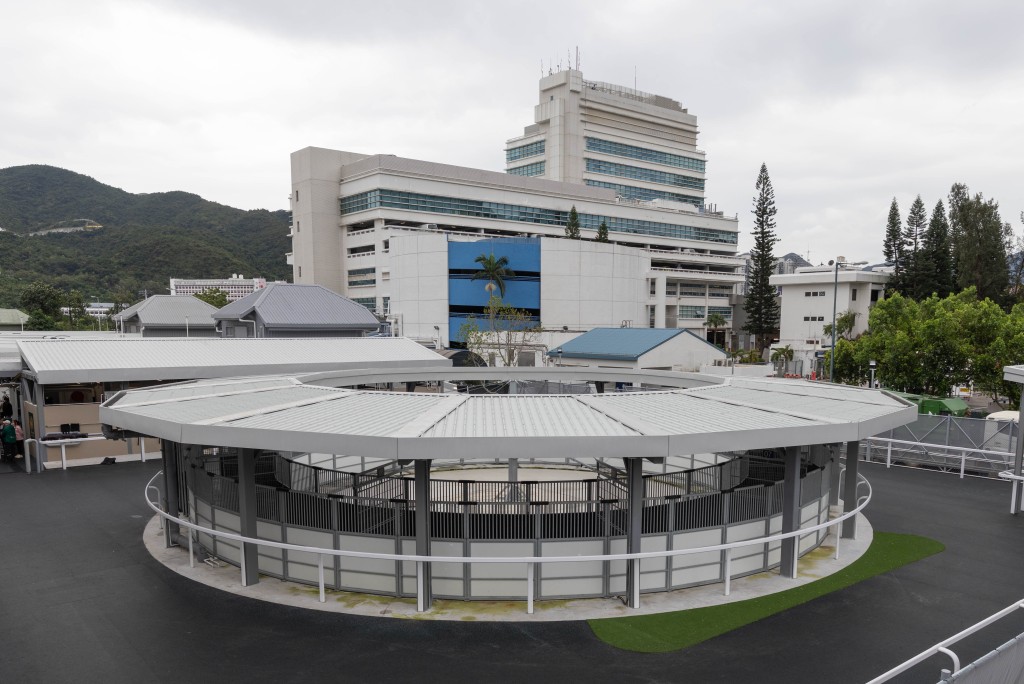
Aimed at diversifying training and attracting global talent with new facilities, the upgrade gives horses windows in their stable boxes, trainers round-the-clock CCTV monitoring, and improved hoof care with rubber flooring.
Additional facilities include covered horse walkers with cooling spray systems, and a feed room secured with card-access and facial recognition technology.
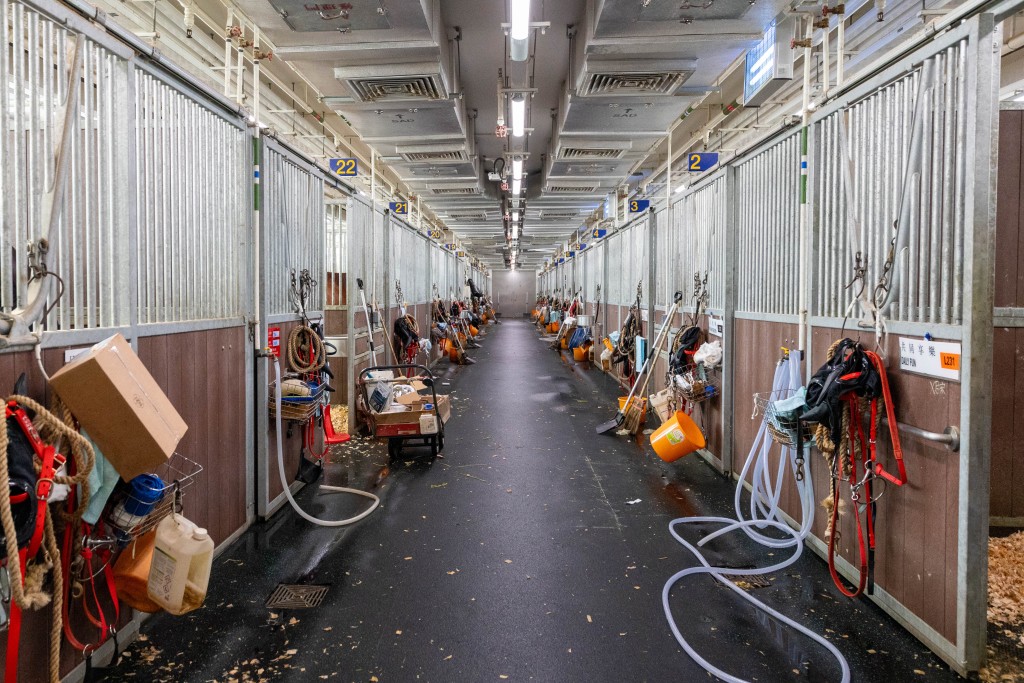
To minimize racing disruption, protect betting duty revenue, and safeguard the Jockey Club's charitable contributions, Conghua's capacity of over 1,000 horses has served as a key in absorbing Hong Kong's racehorses.
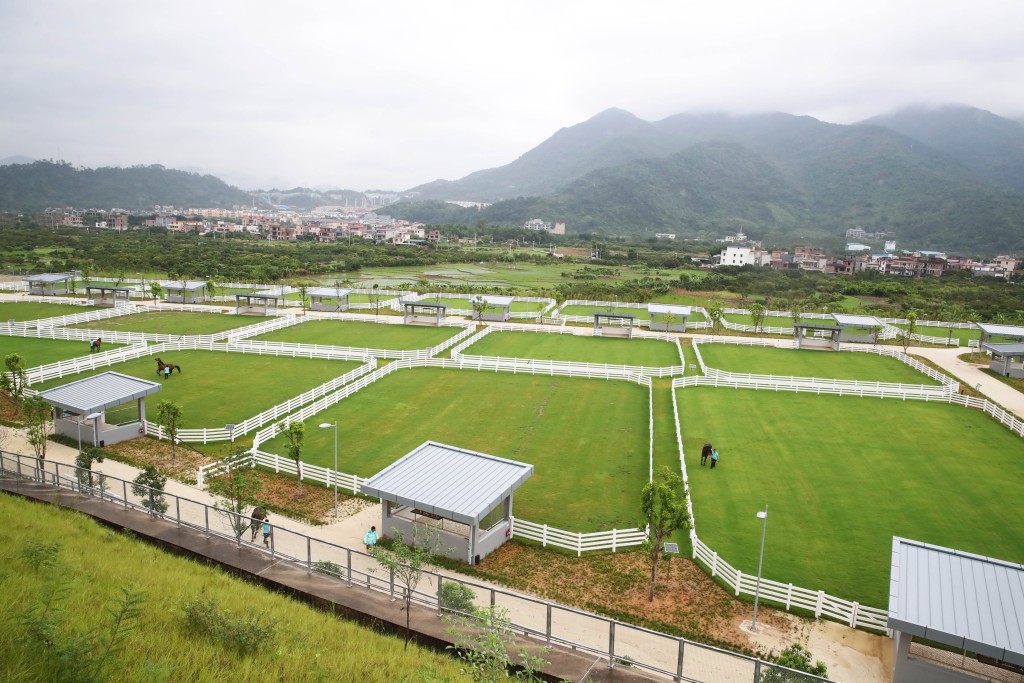
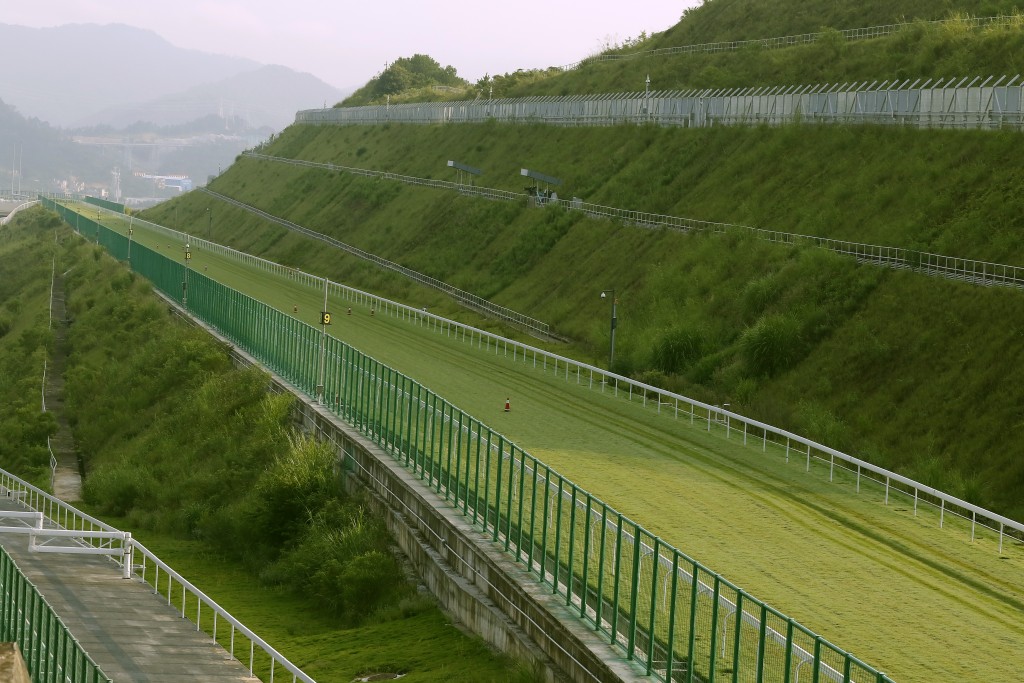
Spanning 150 hectares and located some 200 kilometers from Hong Kong — about a three-hour drive from Sha Tin — Conghua Racecourse offers trainers the flexibility to decide which of their horses to station there.
Currently, there are twenty trainers, including recent championship frontrunners Caspar Fownes, Danny Shum Chap-shing, and Mark Newnham, who operate stables at both Conghua and Sha Tin, with over 400 racehorses in training.
Diversified training in Conghua
Trainer Mark Newnham, who keeps 25 to 30 horses in Conghua, described the facility as a "vital asset" for the HKJC.
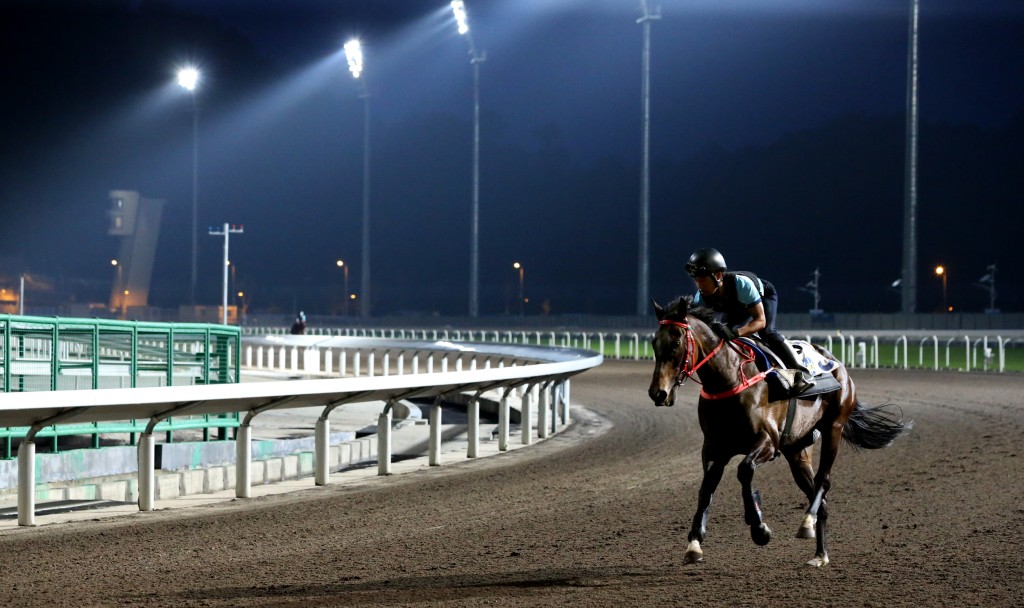
"The track design in Conghua is excellent, allowing a fair chance for the horses under great venue conditions," he explained, noting its role in Hong Kong racing will only grow, benefiting owners, trainers, and jockeys alike.
After evaluating the individual characteristics of each horse, he ensures the most appropriate training arrangements are maintained. For instance, Conghua's quieter environment offers a better setting for horses that do not thrive at Sha Tin.
He further observed that Conghua Racecourse offers a comprehensive range of training facilities, from mountain tracks to water walkers, enabling trainers to condition horses through varied methods and in diverse environments.
With Conghua Racecourse ready to host top-tier competition, the venue will see regular racing events starting in October, featuring world-class trainers and top jockeys.
Notably, all races will be conducted in accordance with the Rules of Racing and Hong Kong's well-established racing protocols, except that no wagering will be offered — with the focus instead on promoting equestrian sports and expanding the industry value chain.
Promotion of horse-themed tourism across GBA
Riding on the opportunities from the mainland's active development of its horse industry, Conghua is expected to transform into a key hub for quality horse racing in the country.
In March,the HKJC and the Guangzhou Municipal Culture, Radio, Television and Tourism Bureau signed a Memorandum of Understanding to boost horse-themed culture, sports, and tourism across the Greater Bay Area (GBA).
According to Guangzhou's latest development plan, a cooperation zone between the cities is underway, positioning Conghua as a breeding and trading center for South China.
It is understood that the regular racing follows a Framework Cooperation Agreement between the HKJC and the Guangzhou Municipal Government in May 2021 to jointly promote and develop the equine industry.
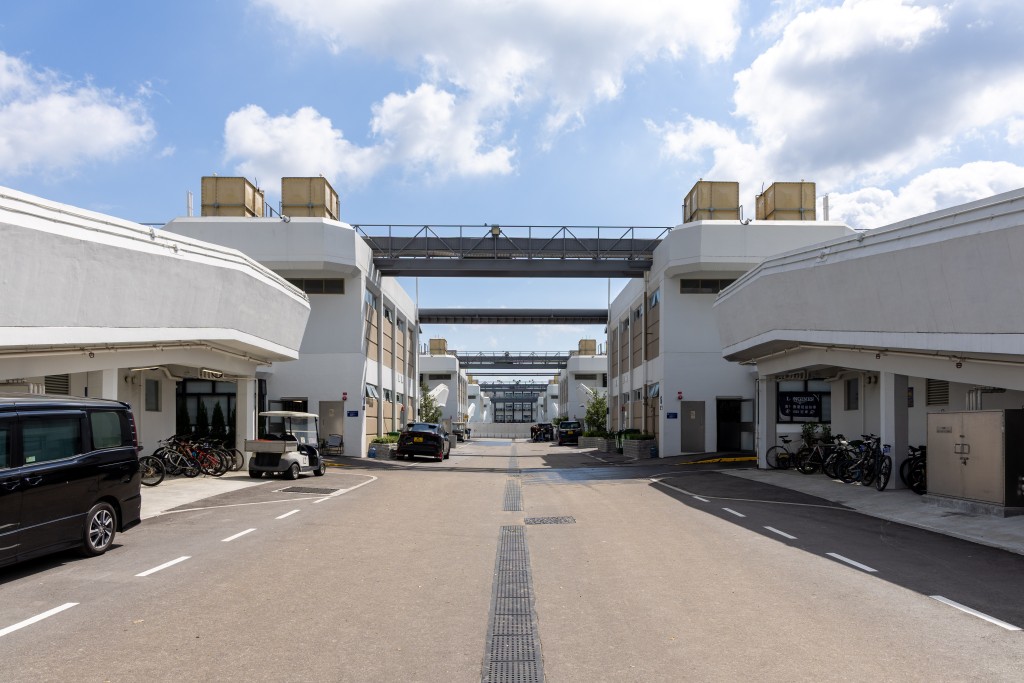
Since the signing of the agreement, the HKJC has expanded Conghua's stable and training facilities, along with a new quarantine facility in Lutian to facilitate horse imports and exports.
The Club has also stepped up to provide full training for industry professionals and racing staff, while simplifying customs clearance for horses, feed, and veterinary drugs between Guangdong and Hong Kong.
Looking ahead, the HKJC aims to develop a world-class horse industry in the GBA over the next 10 to 20 years, spanning the entire value chain from horse imports to training and care.
Facial recognition for horses to cut clearance time
Guangzhou Customs has introduced a pioneering horse facial recognition system to streamline the cross-border movement of horses and support the start of regular racing events in the region. The innovative system uses advanced biometric technology, integrating facial features, body markings, brand IDs, and microchip data to rapidly verify a horse's identity in just 2 to 3 seconds, achieving up to 99 percent accuracy.
Unlike traditional inspection processes that often require horses to stop for lengthy checks, the new system allows for seamless identity verification as horses walk, significantly reducing stress for the animals.
Authorities report that the total transport and clearance time for imported horses has already been reduced from seven hours to about four and a half hours. The recognition system is expected to further enhance efficient, smart clearance and oversight for horse racing in the Greater Bay Area.