
Read More
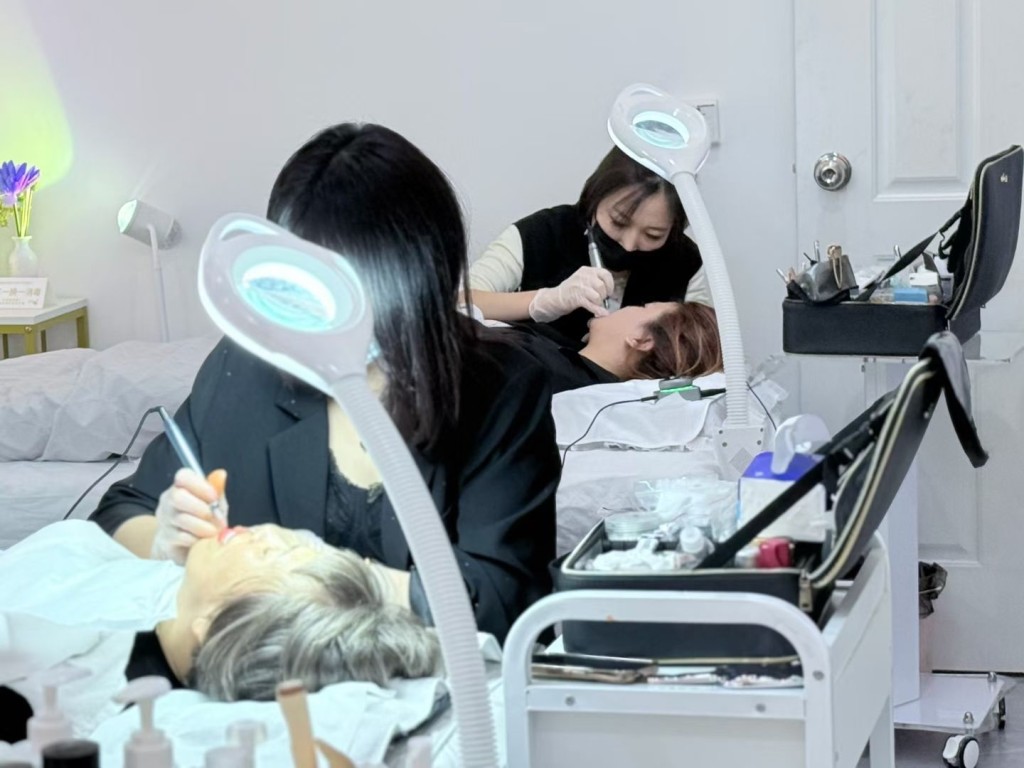
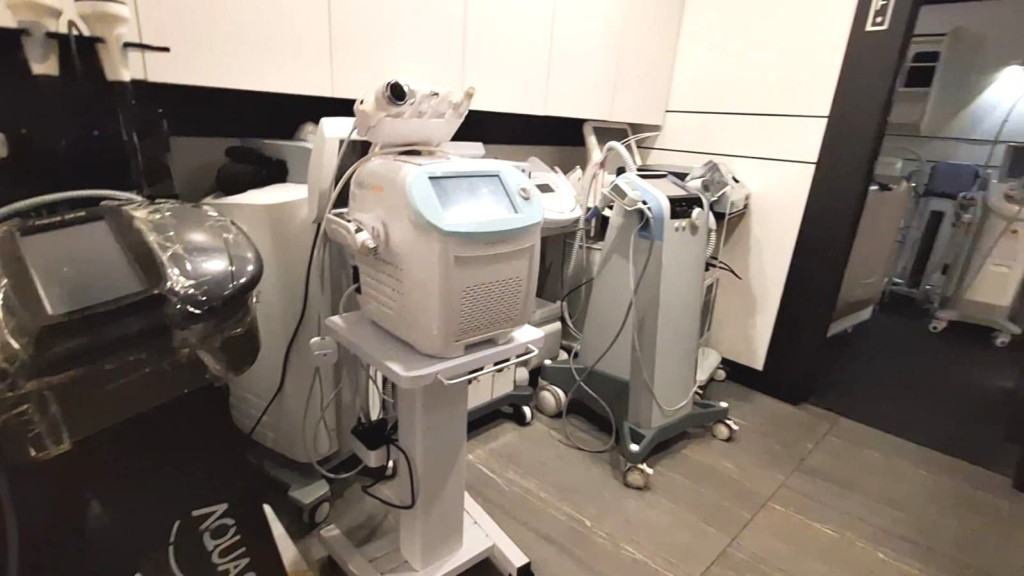
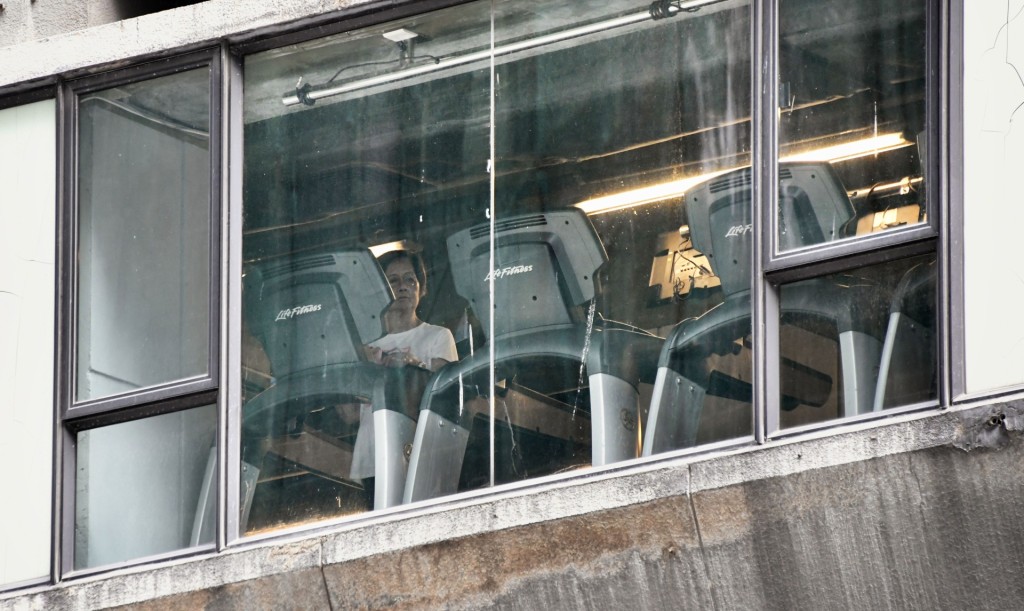
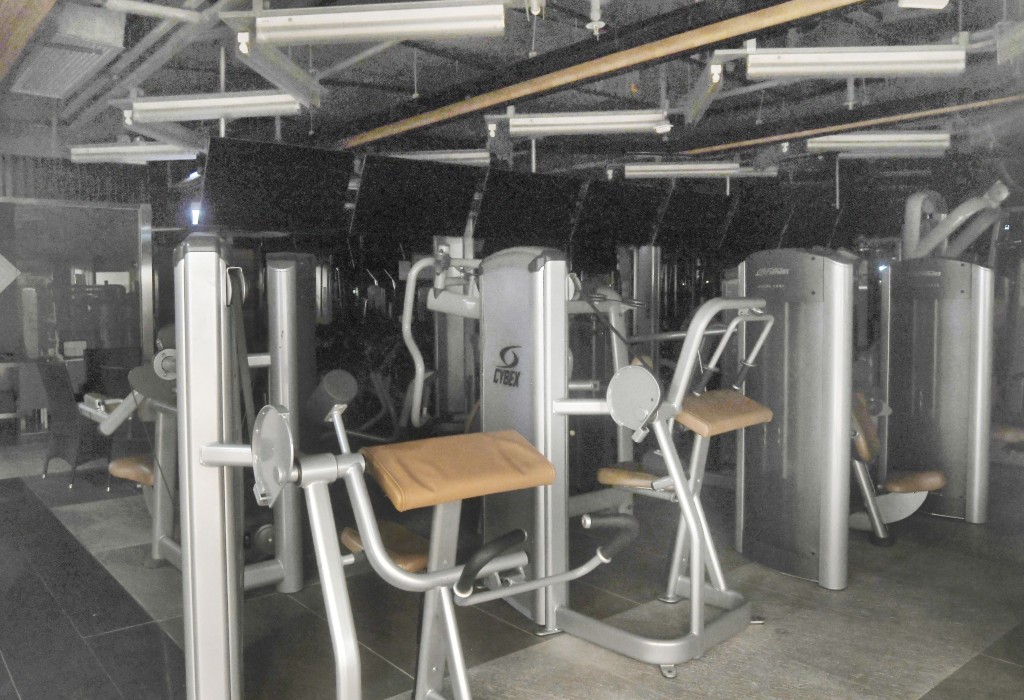
The government’s proposal to introduce a statutory seven-day cooling-off period for prepaid beauty and fitness contracts is aimed at tightening regulation of the two sectors and giving consumers more time to reconsider their purchases, Deputy Secretary for Commerce and Economic Development Winsome Au Wai-sum said on Tuesday.
ADVERTISEMENT
SCROLL TO CONTINUE WITH CONTENT
Her remarks came after the government on Monday launched a two-month public consultation on proposed amendments to the Trade Descriptions Ordinance.
Under the proposals, consumers who enter into prepaid beauty or fitness contracts would be entitled to a seven-day cooling-off period, with refunds to be made within 14 days. The government also proposed capping contract duration at two years, so consumers can better assess whether the prepaid amount is reasonable.
Speaking on a radio program, Au said the beauty and fitness sectors accounted for more than 5,000 consumer complaints involving prepaid services over the past six years, making up about half of all such disputes across industries. Nearly 90 percent of the cases involved high-pressure or coercive sales tactics, she said.
Au stressed that the government has no intention of extending the proposed rules at this stage to businesses with few records of aggressive sales practices, such as dance schools and yoga studios.
However, the proposed amendments would leave room for the rules to be extended to other industries through subsidiary legislation in response to changing business practices.
The proposal would allow merchants to deduct an administrative fee of 2 to 5 percent from non-cash refunds, prompting debate over whether the cap would be sufficient to cover actual service charges imposed by payment providers.
Au said the proposed range was drawn up after consultation with the Hong Kong Monetary Authority. She added that since consumers would be allowed to cancel contracts without giving a reason, a reasonable administrative deduction for businesses would be justified. She also encouraged the industry to share its views during the consultation period.
Lee Yuet-man, chairman of the Hong Kong Recreation and Sports Professionals General Union, said the proposed regulations were in line with industry expectations, noting that most existing fitness contracts already last no more than two years.
Lee said disputes are rare for contracts worth less than HK$8,000, which could be handled through industry self-regulation. He suggested setting the regulatory threshold at HK$8,000 or above.
The Beauty and Hairdressing Industry Training Advisory Committee under the Qualifications Framework also welcomed the proposals, noting that many local beauty salons have already adopted voluntary cooling-off periods ranging from three to 14 days to boost consumer confidence.
The committee recommended linking administrative fee deductions to actual payment service charges to avoid operational disputes.
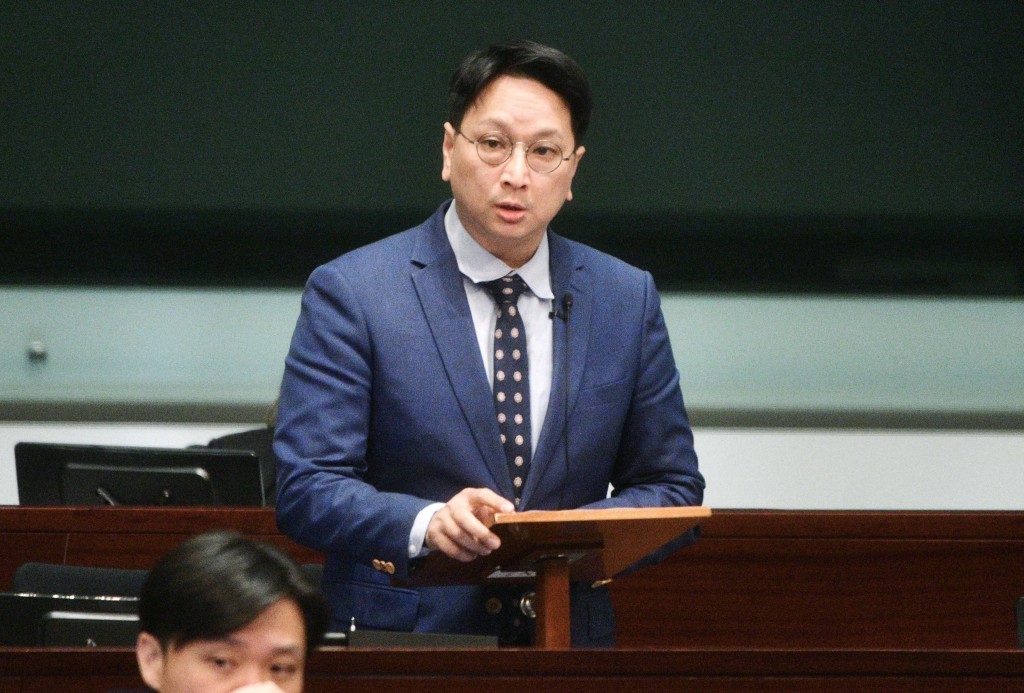
Lawmaker Bill Tang Ka-piu raised concerns that the absence of unified certification and registration systems in the beauty and fitness sectors could allow unregulated operators to evade supervision by changing their business names. He urged the government to promote credible voluntary industry certification schemes.
Tang also suggested extending regulatory coverage to more high-risk sectors in the future, particularly the home renovation industry, where large prepaid transactions often lead to consumer disputes and serious financial distress for residents.