
Read More
Hong Kong has recently experienced record-breaking high temperatures and torrential rains, highlighting the pressing threat of climate change. In a television interview, Lam Ching-choi, an Executive Council member and Chairman of the Council for Carbon Neutrality and Sustainable Development, emphasized that society must address both carbon reduction and climate adaptation as extreme weather becomes more frequent.
ADVERTISEMENT
SCROLL TO CONTINUE WITH CONTENT
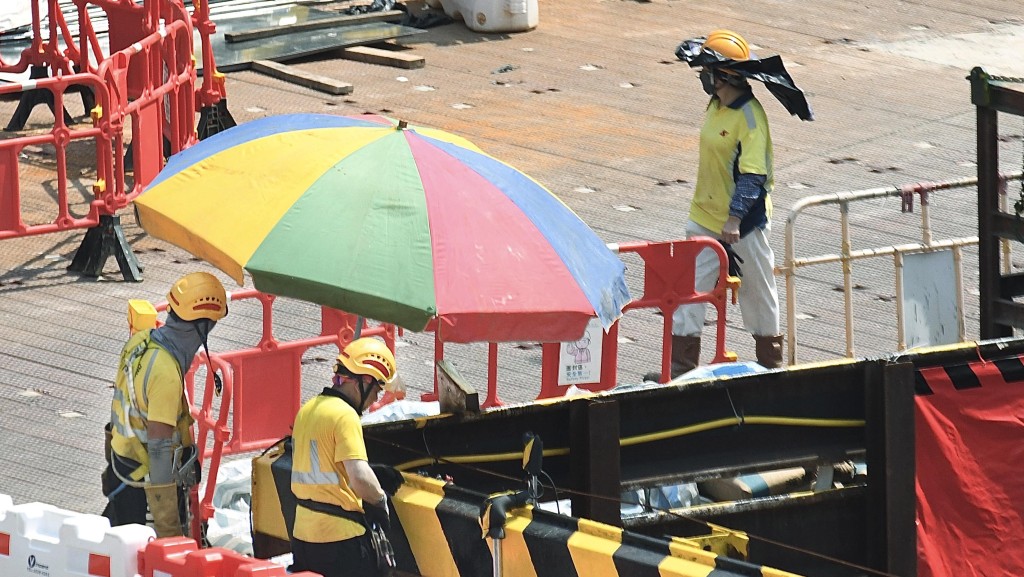
Regarding the highly discussed Heat Stress at Work Warning system, Lam agreed that the current guidelines could be improved.
He suggested that authorities refine these guidelines based on specific industries and working environments while introducing more sensitive monitoring indicators to safeguard the health and lives of outdoor workers.
Balancing sensitivity and practicality in heat stress assessments
Addressing public skepticism over the effectiveness of the system, which has only triggered amber warnings since its launch, Lam compared climate adaptation to a continuous battle that requires highly flexible policies to adapt to environmental changes.
He noted that the existing guidelines appear insufficiently sensitive and stressed the need to find a balance that avoids both excessive disruption to the public and a lack of responsiveness to real-world conditions.
As a medical doctor, Lam highlighted that high temperatures pose severe health risks, potentially causing heatstroke and straining the management of infectious and chronic diseases.
He agreed with the scientific recommendations of three former Hong Kong Observatory directors, supporting the use of measures like the black-globe thermometer to more accurately reflect heat stress in outdoor, sun-exposed environments.
Lam pointed out that the heat stress experienced in air-conditioned indoor offices is entirely different from that of open-air construction or cleaning work.
He expressed full confidence in the Labor Department and urged them to review the guidelines to establish practical, specialized instructions tailored to different occupations and settings.
Global obstacles and local progress in carbon reduction
Reflecting on global climate action, Lam, who has participated in United Nations climate change conferences, expressed disappointment over the regression in carbon reduction targets among some Western countries due to political and economic factors.
He identified geopolitics and climate skepticism from certain politicians as significant challenges. However, he emphasized that China respects science and maintains a clear, long-term direction in carbon reduction, providing strong support for Hong Kong.
Under this backing, Hong Kong's climate blueprint remains firm. The city will continue to pursue its four key decarbonization strategies, with confidence in achieving its targets to halve carbon emissions by 2035 and achieve carbon neutrality before 2050.
Overcoming climate anxiety through individual action
Faced with a massive climate crisis, many citizens may feel that individual efforts are insignificant compared to those of large corporations. Lam explained that this sense of powerlessness in the face of uncontrollable circumstances is the root cause of urban climate anxiety.
He encouraged the public to start with personal lifestyle changes, such as reducing electricity consumption and participating more actively in recycling, to embrace green living.