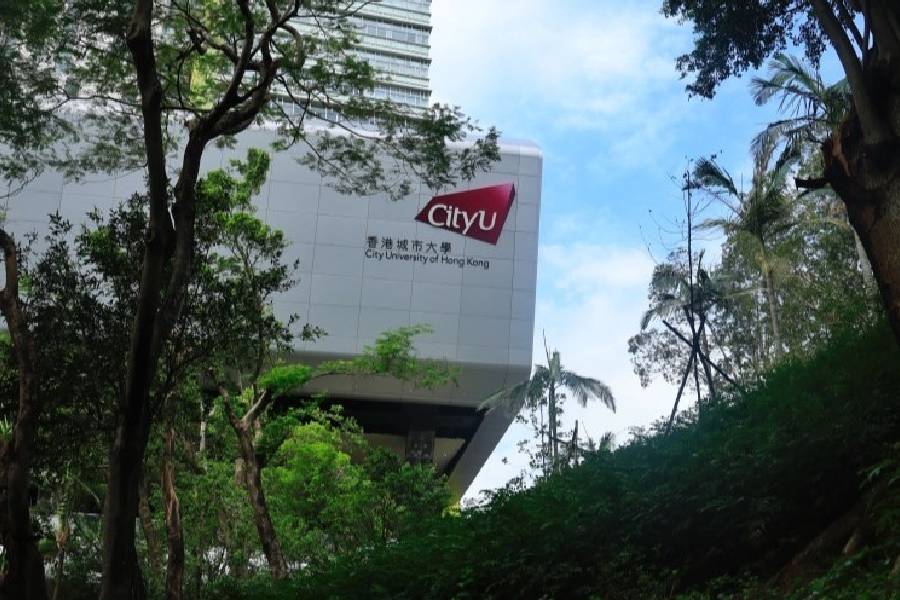
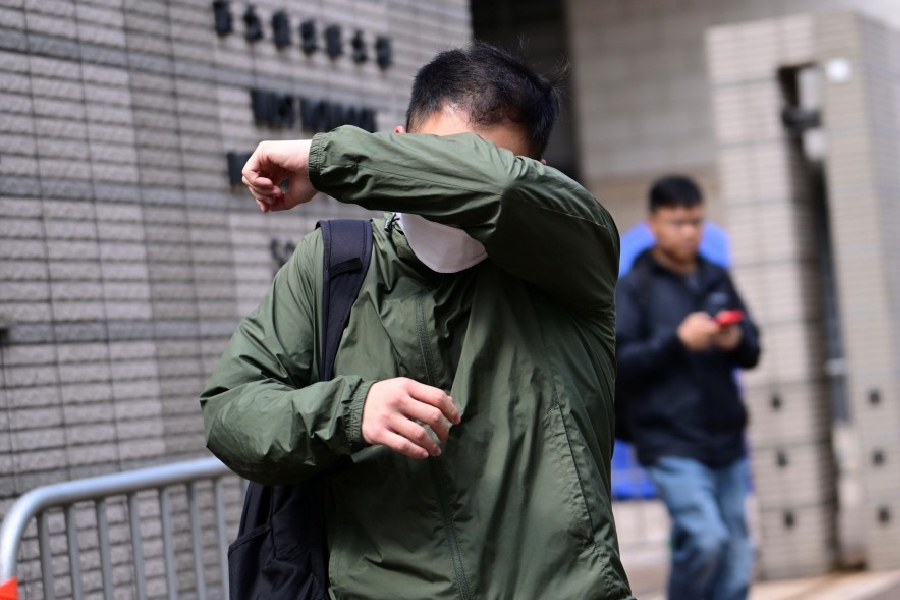
A former City University of Hong Kong (CityU) student has failed in his legal attempt to overturn the university's decision to expel him following several semesters of poor academic performance.
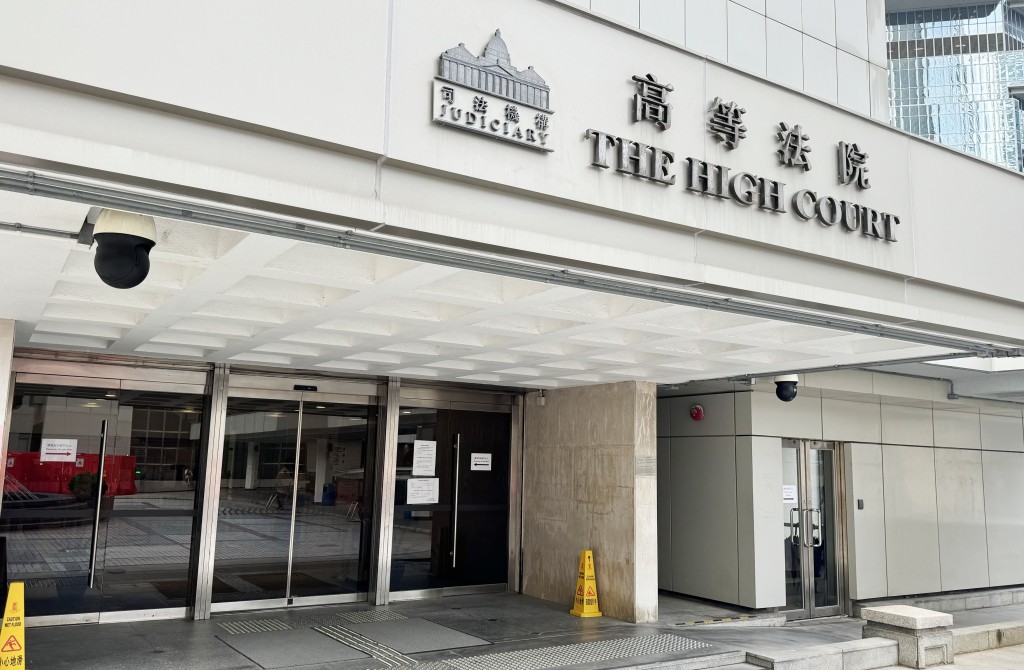
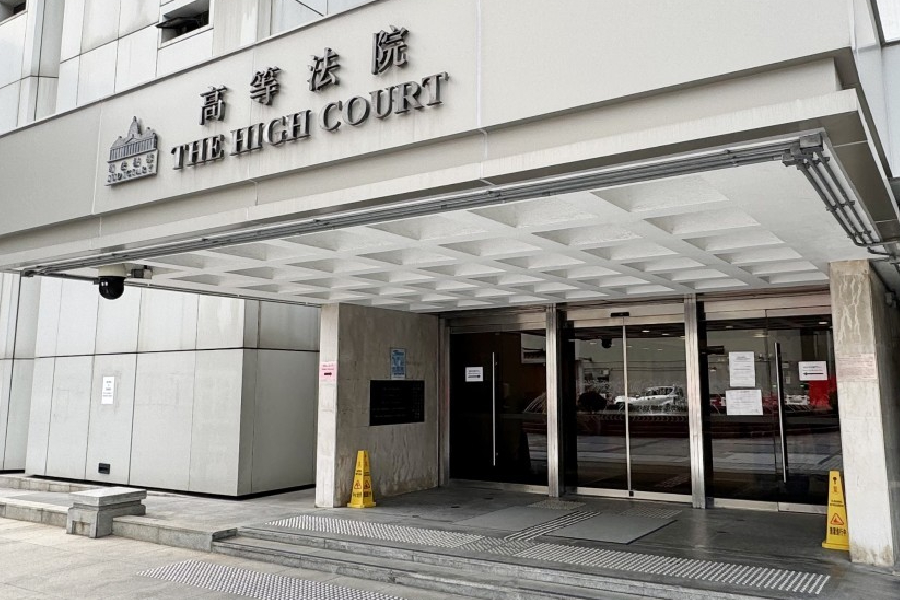
High Court Deputy Judge Gary Lam Chin-ching dismissed the student's judicial review application on Friday, ruling that the university acted within its academic regulations and ordering the student to pay HK$160,000 in legal costs.
The applicant, Tsang, was studying for a Bachelor of Engineering in Biomedical Engineering before his studies were terminated by the institution.
Repeated academic warnings
Tsang enrolled in the biomedical engineering program in 2021. Between 2021 and 2024, his Grade Point Average (GPA) fell below the university's minimum requirement of 1.70 during three separate semesters, registering scores of 1.50, 0.80, and 1.60.
Under CityU’s academic regulations, the dean of a college has the authority to terminate a student's studies if their GPA falls below 1.70 in any three semesters. In June 2024, Tsang was officially notified of his expulsion.
He subsequently requested a review of the decision, citing health issues. Exercising discretionary leniency, the university gave him a second chance, placing him on academic probation for the 2023–2024 academic year.
He was explicitly warned in a letter to cherish the opportunity and was required to achieve a GPA of at least 2.00 in his next semester.
However, in the first semester of the 2025–2026 academic year, Tsang's GPA dropped to 1.10. He was dismissed in January this year and filed a judicial review in June after his internal university appeal was rejected.
No procedural unfairness found
In court, Tsang argued that the university's decision involved procedural impropriety. He claimed that because the university had already reviewed his academic standing in 2024 and granted him probation, officials should not have factored his three previous underperforming semesters into their latest decision to expel him.
The judge firmly rejected this argument. He clarified that the university's decision to grant probation in 2024 did not erase or invalidate Tsang's historical grades.
The academic regulations clearly state that a student faces termination if their GPA falls below 1.70 in any three semesters.
The judge noted that the previous leniency was simply an exercise of discretion, and ignoring past academic failures entirely would defeat the purpose of maintaining graduation standards and create unfairness for other students.
Addressing Tsang’s claim that he would have studied harder had he known his past grades would still count, the judge expressed bewilderment, stating that studying hard is a fundamental expectation for any student.
Despite dismissing the application and ordering Tsang to pay the university's legal expenses, the judge praised Tsang’s dedication in court.
He noted that the young man had argued his case passionately to salvage his studies, which demonstrated that he genuinely cared about his education and still deserved future opportunities in society.