Read More


Night Recap - September 22, 2026
2 hours ago







HKO forecasts showers Tuesday, tracks possible cyclone east of Philippines
21-09-2026 17:31 HKT
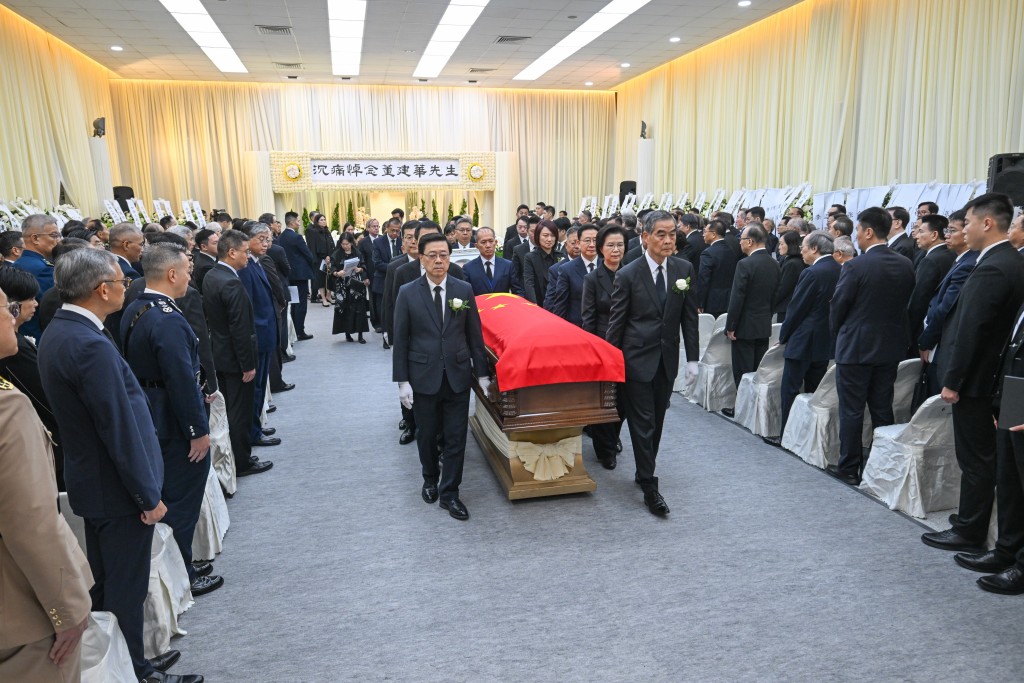
John Lee and CY Leung lead pallbearers for Tung Chee-hwa
20-09-2026 15:54 HKT


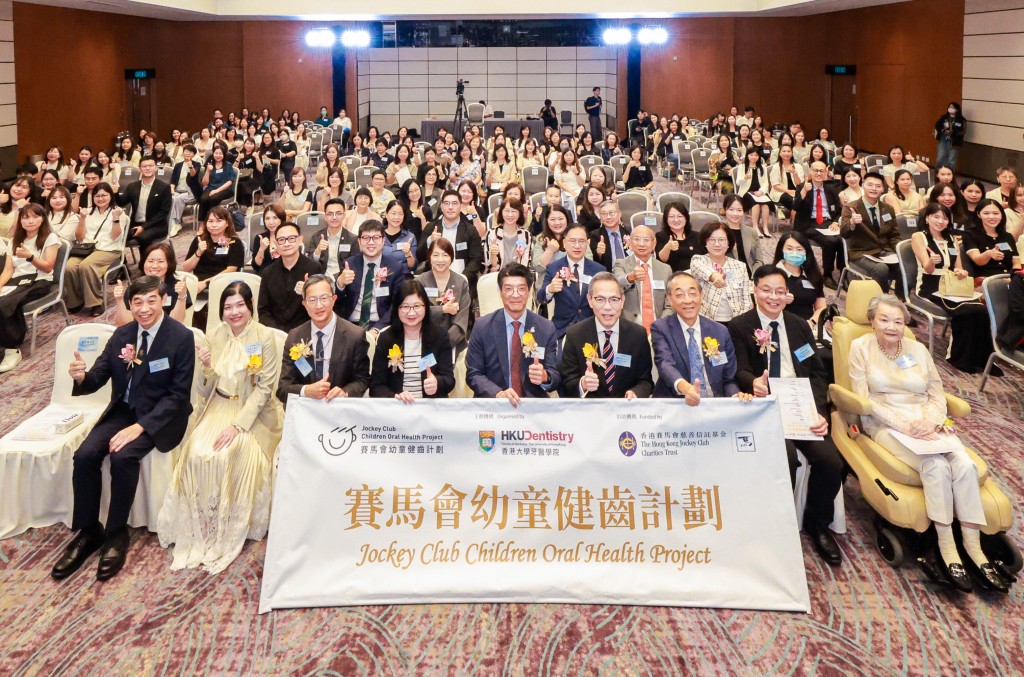
A child's risk of tooth decay is heavily influenced by their family's economic status in Hong Kong, with kindergarteners in lower-income neighborhoods suffering from significantly higher cavity rates than those in wealthier districts, a study by the University of Hong Kong (HKU) has revealed.
The findings are part of the "Jockey Club Children Oral Health Project", an initiative by the HKU Faculty of Dentistry funded by the Hong Kong Jockey Club Charities Trust, which provides on-site dental check-ups for kindergarteners to detect tooth decay early.
Analyzing data from the 2024/25 school year, the study found that districts with the highest tooth decay prevalence were Sham Shui Po and Wong Tai Sin, both recording a cavity rate of 37 percent.
Other lower-income districts, including Kwai Tsing, Kwun Tong, and North District, also recorded rates of 35 percent or above.
In contrast, wealthier districts such as Wan Chai and Central and Western District saw the lowest rates in the city, with only 20 percent of children suffering from cavities.
Over the past six and a half years, the outreach project has examined approximately 190,000 children across 810 local kindergartens, identifying more than 250,000 decayed teeth.
Data from September 2020 to February this year shows that the project has reduced the overall cavity rate among participating children from 38 percent to 28 percent, with the average number of decayed teeth per child also dropping from 1.5 to one.
Clinical results showed that a once-a-year outreach treatment using Silver Diamine Fluoride (SDF) prevented the progression of 63 percent of cavities.
Additionally, 95 percent of the participants showed no signs of dental fear or anxiety during their check-ups, demonstrating that the project helped to reduce childhood resistance to dental care.
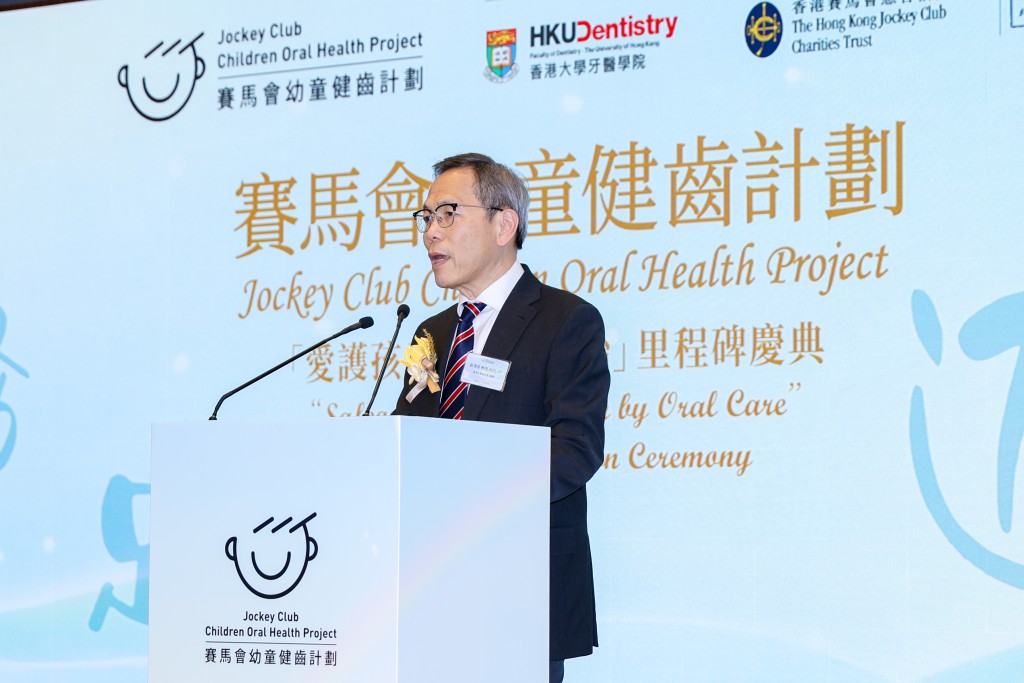
Lau Chak-sing, vice-president & pro-vice-chancellor (health), emphasized the broader systemic health impacts of early dental issues, noting that mounting medical research links oral problems such as cavities and periodontitis to an increased risk of heart disease and autoimmune disorders.
Beyond improving children’s oral hygiene, the initiative is expected to lower the long-term risk of developing severe systemic illnesses, ultimately benefiting public health in the long term, he said.
Commissioner for Primary Healthcare Pang Fei-chau added that the government is actively shifting its healthcare philosophy from "treatment-focused" to a preventative approach centered on early detection and treatment, aiming to provide better health support within local communities.