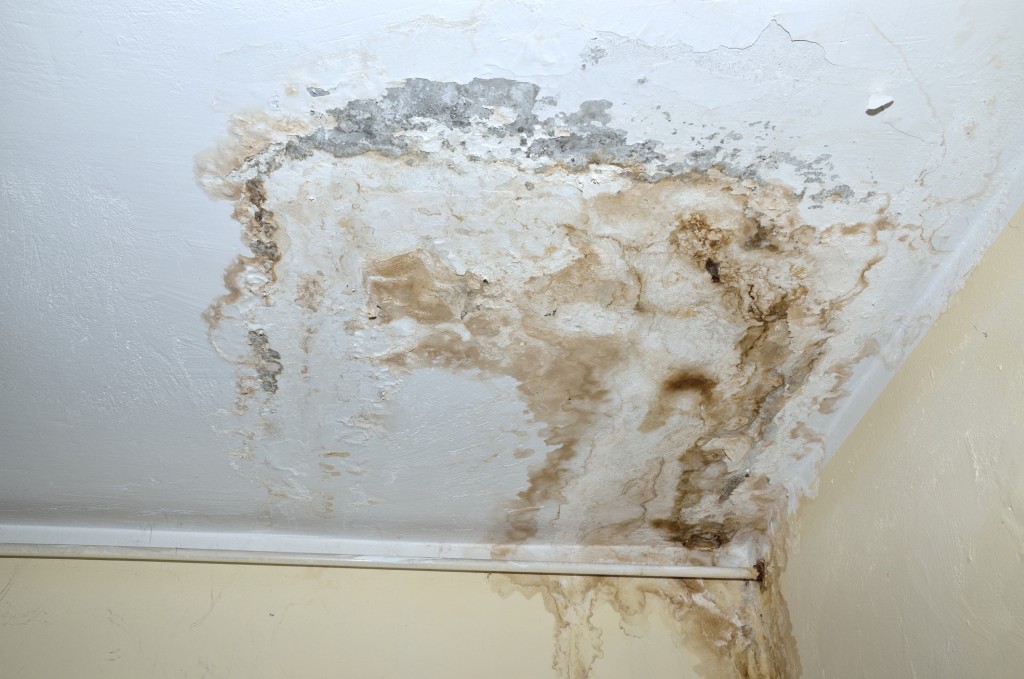
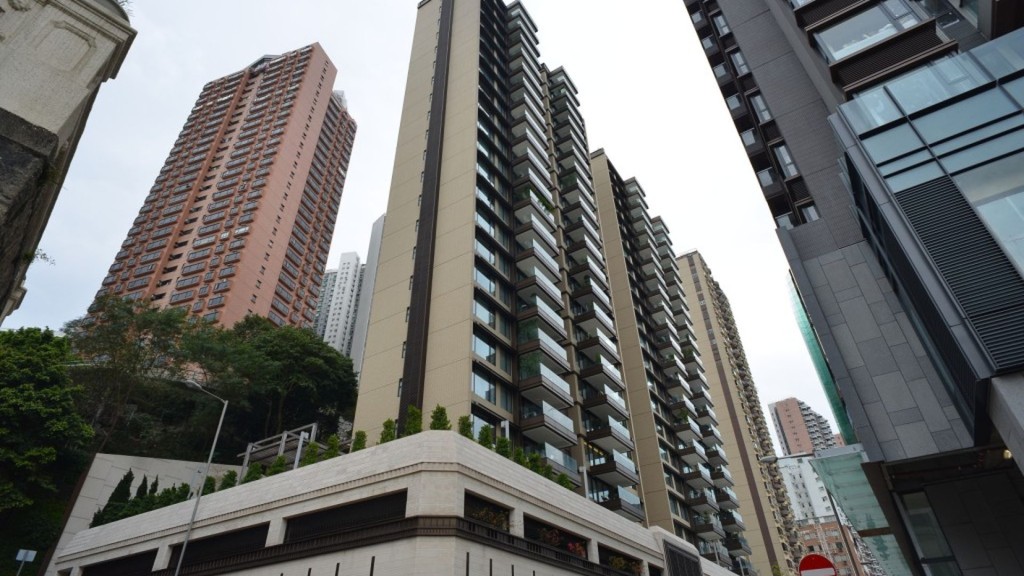
A streamlined water seepage inspection procedure for private buildings will take effect July 16, cutting investigation time from 71 working days to just 14 upon receipt of the complaint.
The move is part of the pilot scheme by the Joint Office (JO), jointly set up by the Food and Environmental Hygiene Department (FEHD) and the Buildings Department (BD) to handle the mounting complaints over water seepage in the buildings.
Through optimized procedures, technology application and promotion of coordination and mediation, the scheme aims to resolve seepage disputes more quickly.
FEHD Deputy Director (Environmental Hygiene) Arsene Yiu Kai-cheuk said in an interview that the new procedures will introduce infrared thermography at the first stage of inspection—a method previously used only in the third stage of investigation.
In addition to the application of electronic moisture meters, Yiu noted that the efficiency of locating the source of seepage will be greatly enhanced, as the technology allows detecting leaks without the need to enter the premises.
Under the new arrangement, he said a "Notification Letter" can be issued within 14 working days to the owner of the suspected leaking unit, marking a significant reduction from the previous 70-day investigation period, which is often being stalled by uncooperative owners.
Notably, the next stage will be enacted if owners fail to inspect or repair within the 28-day time frame, where the JO will enter the premises to conduct microwave leakage detection.
He stressed that the 28-day period is not a rigid deadline, adding that owners actively following up but facing complex work may receive extensions.
However, he added that delays based purely on stalling will not be granted.
If the issue remains unresolved within the Notification Letter's deadline, Yiu said a "Nuisance Notice" will be issued and an inspection fee of at least HK$17,000 will be charged.
Yiu noted that the new procedures rely more heavily on negotiation between owners, where property management companies will now play a key role in mediation.
Citing past experience, Yiu said that around 70 percent of cases in estates participating in the Scheme of Participation by Property Management Agents in Tackling Water Seepage in Residential Building were resolved through mediation without government intervention.
He added that more than 200 estates have currently joined the scheme, with the JO offering detectors to assist preliminary assessments to facilitate inspection procedures.
To facilitate effective coordination, he assured that guidelines on the new procedures have been issued for licensed property managers, and relevant mediation training has been arranged for frontline staff.
Deputy Director of Buildings Pelene Ng said the JO website will feature an information pack on seepage detection and repair provided by the Hong Kong Institute of Surveyors(HKIS), including signs of seepage, simple testing methods and practical repair suggestions.
The JO will also publish a list of qualified professionals and practitioners for water seepage investigations with indicative service costs, with Ng reporting that some 400 have already expressed interest.
Meanwhile, the HKIS will also provide a list along with their previous projects and performance to ensure service quality .
As for financial assistance for owners, Ng pointed to the BD’s Building Safety Loan Scheme and the Urban Renewal Authority's Building Maintenance Grant Scheme for Needy Owners.
To align with the 28-day repair timeline, she indicated that preliminary approval could be issued within five working days, with first payments released within 14 days if all documents are in order .