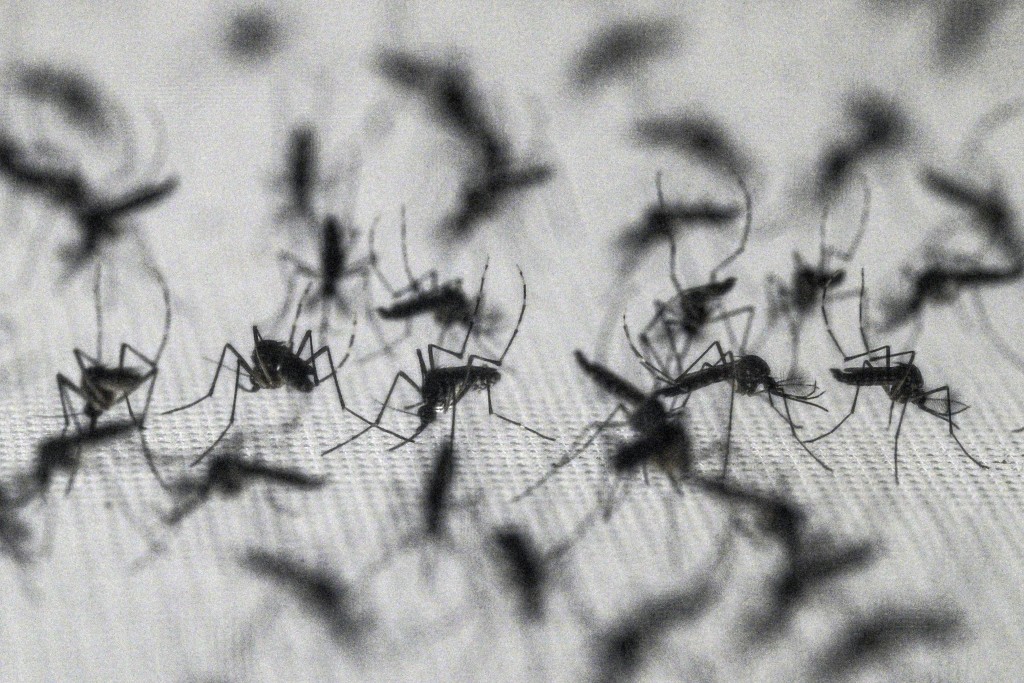
Authorities have launched an intensive anti-mosquito campaign along the Tsing Yi Nature Trails following a cluster of locally acquired chikungunya fever cases linked to the popular hiking spot.
The interdepartmental Pest Control Steering Committee revealed yesterday that multiple local infections have been traced to people bitten while walking the 7-kilometer countryside trails since November.
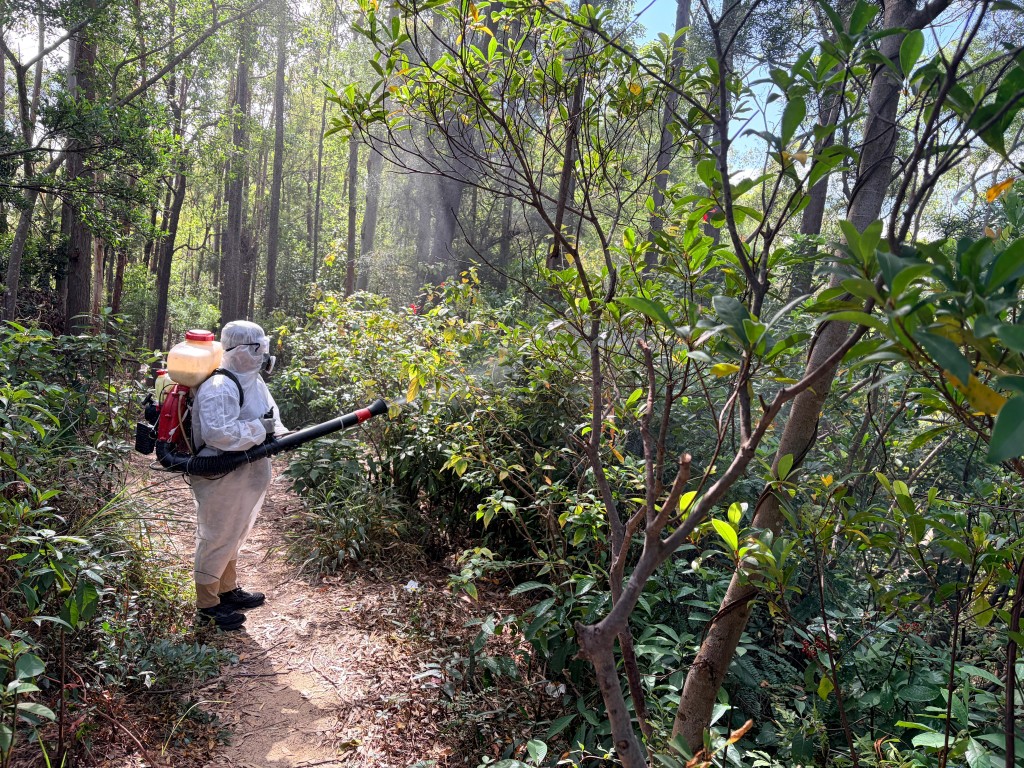
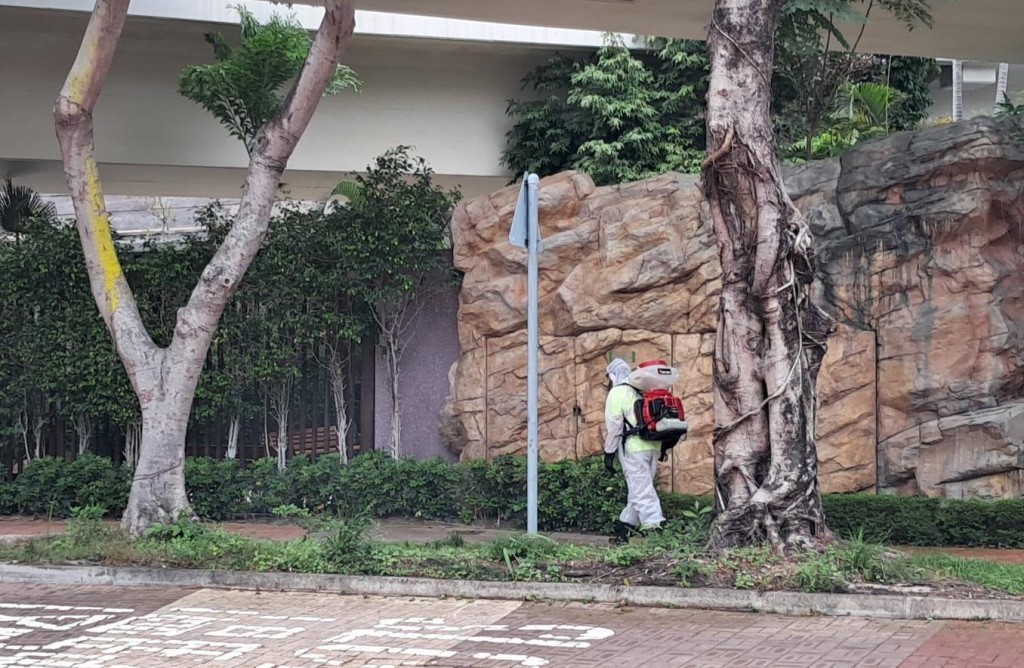
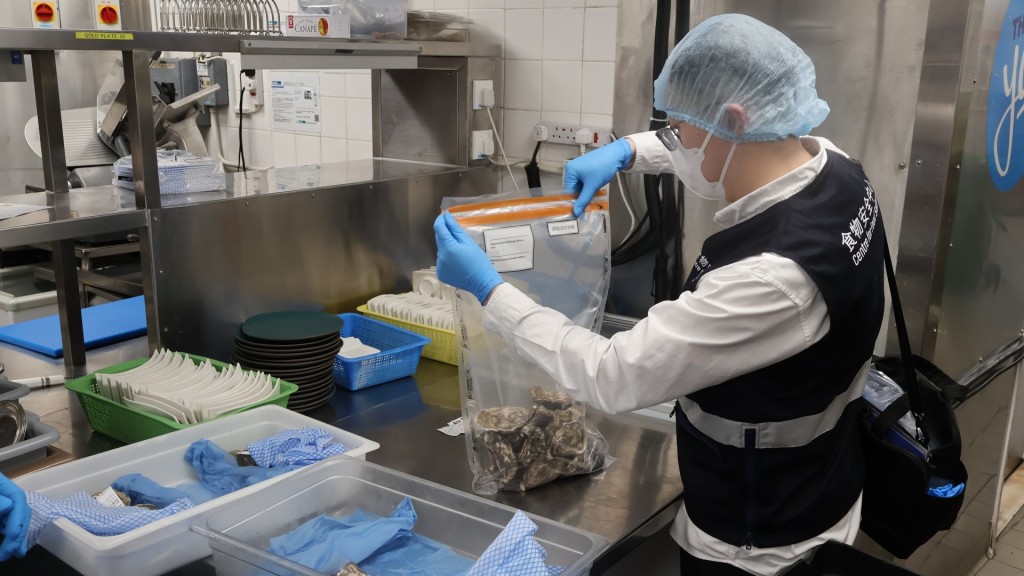
In response, the Food and Environmental Hygiene Department has carried out 49 large-scale fogging operations using ultra-low volume sprayers and even deployed robotic dogs to reach difficult areas.
Teams have cleared around 1,800 potential breeding sites, treated 240 spots of stagnant water with larvicides, and installed dozens of new mosquito traps.
Other government departments have joined the effort. The Kwai Tsing District Office ordered extra grass cutting and drainage clearing, while the Drainage Services Department removed silt from nearby channels.
Lands officers have dismantled illegal structures that could hold water, and construction sites in the area face stricter checks.
Senior officials, including the Secretary and Under Secretary for Environment and Ecology, have personally inspected the trails several times since July.
The committee has held emergency meetings, with the latest actions triggered by the first local case in October and further confirmed cases in November and December.
Despite cooler weather, the territory-wide mosquito control program continues without pause.
Officials stressed that female mosquitoes carrying the virus can live for about a month, so intensified measures will run for weeks and be adjusted according to ongoing surveillance.
Members of the public using the trails are being handed leaflets urging them to wear long clothing, apply repellent and stay alert for bites.
Nearby schools and residents have also received advice on preventing mosquito breeding.