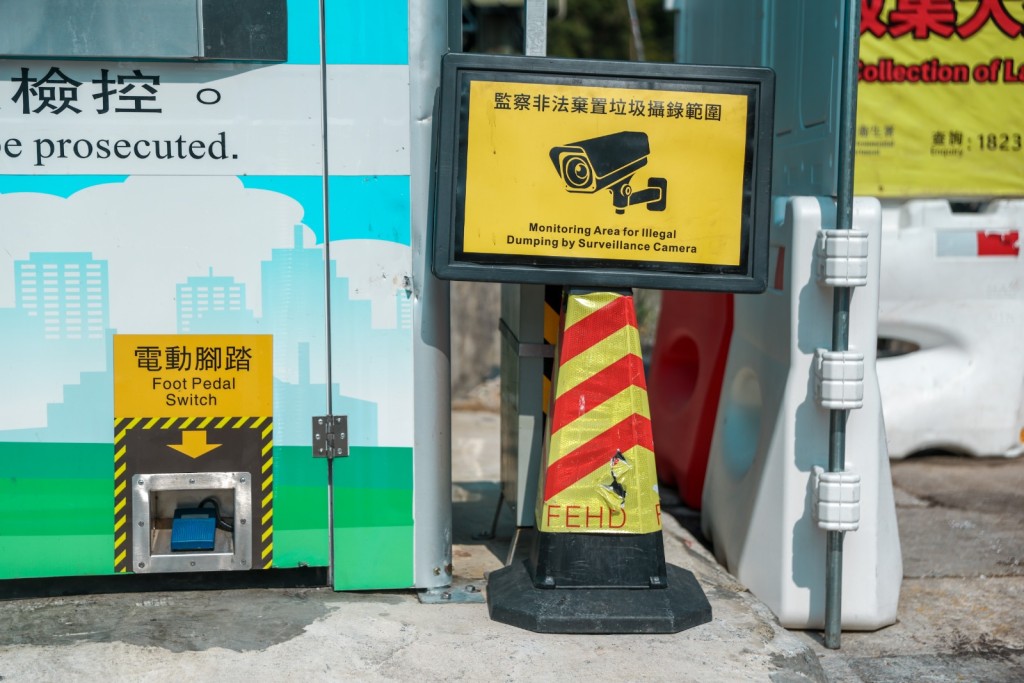
Hong Kong's Food and Environmental Hygiene Department (FEHD) is significantly expanding its network of surveillance cameras at hygiene black spots, aiming to increase deterrence and improve enforcement against illegal waste dumping.
Yuen Long senior health inspector (Cleansing & Pest Control) Tam Ho-man said the deployment of internet protocol cameras with artificial intelligence capability enhances deterrence. The AI analyzes footage to automatically identify and record violations.
This technology allows the department to trace the license plates of vehicles involved in illegal dumping to prosecute registered owners. The data also helps identify patterns in dumping times and methods, enabling more targeted enforcement strategies.
To complement the cameras, FEHD dispatches dedicated enforcement teams to step up action against offenders and conduct public hygiene education through leaflets and warning notices.
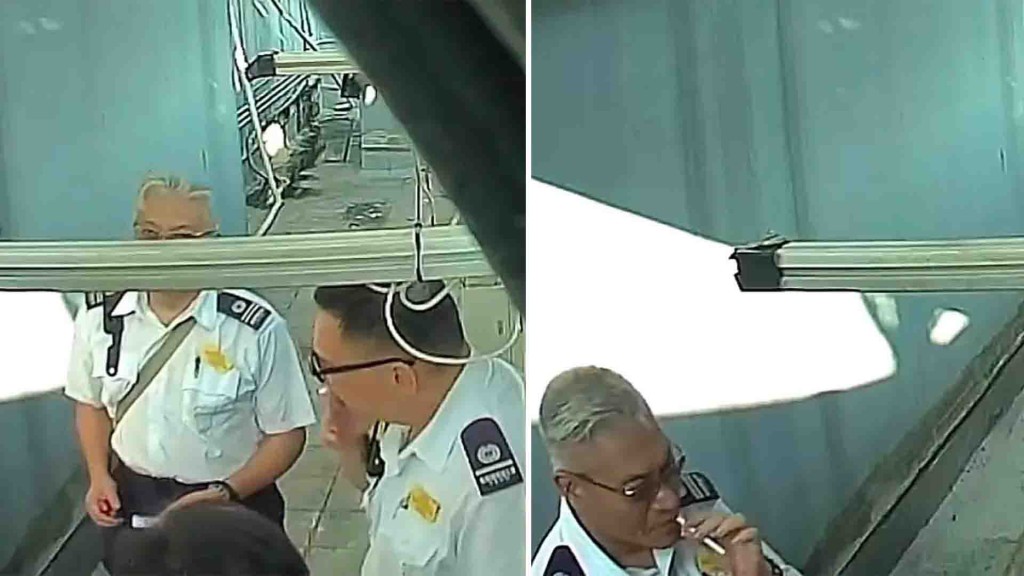
Kowloon City senior health inspector Chow Wing-hang (left), Wong Tai Sin senior health inspector Vincent Lam Koon-yuen (middle) & Yuen Long senior health inspector Tam Ho-man.
Since the cameras were installed, cases of illegal dumping and subsequent prosecutions have dropped significantly. "Because everyone knows the cameras are there, they don't dare litter illegally," Tam said.
The department is gradually increasing the number of camera locations across Hong Kong. The goal is to expand from the current roughly 500 to about 3,000 by the end of this year.
Addressing privacy concerns, Wong Tai Sin senior health inspector (Cleansing & Pest Control) Vincent Lam Koon-yuen said camera positions and angles are carefully considered to cover dumping sites while avoiding private areas.
Kowloon City senior health inspector (Cleansing & Pest Control) Chow Wing-hang added installations follow internal government guidelines, consider feedback from stakeholders like district councillors and nearby shops, and are accompanied by public notices.