Read More
As Ebola resurfaced in the Democratic Republic of the Congo (DRC), international humanitarian experts warned that public health crises were becoming increasingly borderless, driven by climate change, conflict, and population displacement. Fran Stevens, Deputy Regional Representative at Norwegian Red Cross (NoRC), and Dr. Joyce Ching, Head of International and Relief Service of the Hong Kong Red Cross (HKRC), emphasised the critical importance of building strong public health systems before disasters strike.
ADVERTISEMENT
SCROLL TO CONTINUE WITH CONTENT
A public health system goes far beyond treating sick individuals in hospitals. As Stevens explained, while clinical care focuses on patients who are already unwell, public health is about preventing illness from spreading and protecting entire communities. “It’s about containment, assessment, and communication,” Stevens said. “When an outbreak occurs, we need to understand how it might affect others, engage communities with clear messaging on prevention, and ensure people know where to seek help quickly.”
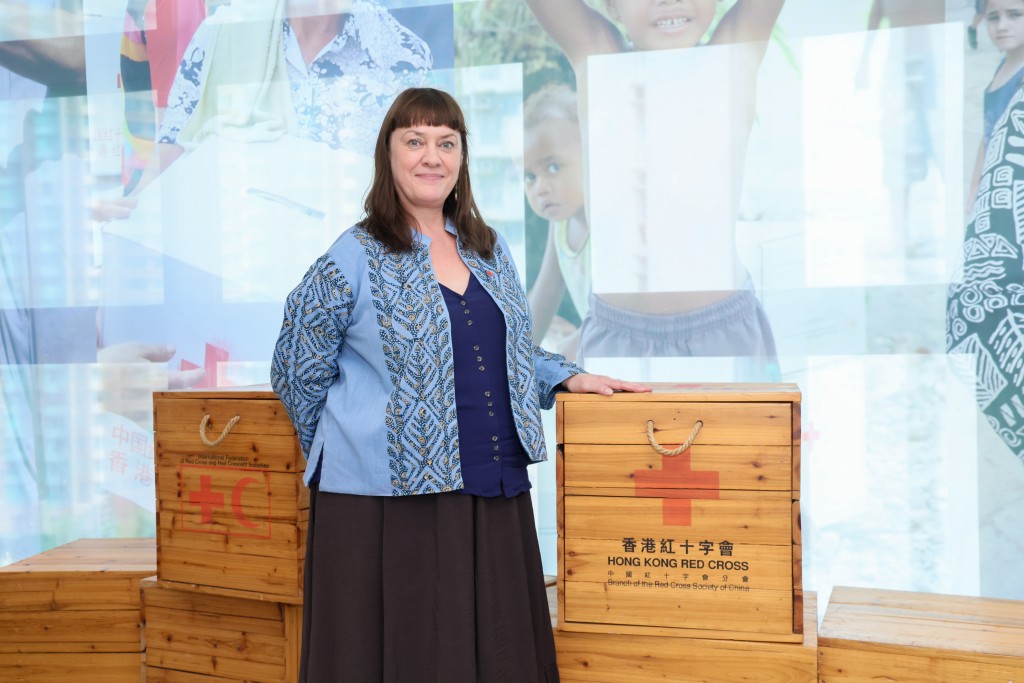
Fran Stevens emphasises the importance of community-based surveillance in tackling globalised public health threats.
Dr. Ching reinforced that public health is the invisible safety net that stops small problems from becoming catastrophes. During the COVID-19 pandemic, Hong Kong residents experienced this firsthand through surveillance, contact tracing, and community messaging. Yet in many parts of the world, these systems remain fragile or absent, particularly in conflict zones or after natural disasters. “Prevention is always better than cure,” Ching noted. “If we can detect outbreaks early and educate communities, we reduce suffering and save far more lives than treatment alone can achieve.”

Dr. Joyce Ching shares her frontline experience in public health emergencies and international disaster response.
Ebola in DRC: A Stark Reminder of Globalised Risks
The recent Ebola outbreak in the DRC had drawn renewed attention. According to the Red Cross, the International Federation of Red Cross and Red Crescent Societies (IFRC) launched a Regional Emergency Appeal in May 2026, seeking approximately HKD 300 million to support 3 million people.
Challenges on the ground included inadequate contact tracing, insufficient protective equipment, community mistrust, and ongoing armed conflict that hindered aid delivery. “Displacement makes epidemics more globalised,” Ching said. “People crossing borders carry risks, but also strain already fragile health systems in host communities.”
In the Asia-Pacific region — one of the world’s most disaster-prone areas — the risks are compounded by earthquakes, floods, and rising temperatures that expand the range of vector-borne diseases like dengue.
High-Pressure Simulations: Training for Real-World Chaos
In May, HKRC collaborated with NoRC and IFRC hosted the “Asia Pacific Regional Public Health in Emergencies Training (Level B)”. Participants from Hong Kong, Norway, and 17 countries across the Asia-Pacific and Central Asia region.
A key component of the training involved realistic, high-pressure scenario simulations set in a fictional country called “Mandawi,” complete with conflict, displacement, ethnic diversity, and multiple disease outbreaks.
Participants were immersed in day-by-day challenges: rapid assessment, coordination with health authorities and other NGOs, community engagement, and eventual handover to local teams. They practised soft skills such as presenting findings under time pressure, adapting to sudden “injects” (new developments), and communicating effectively in English as a second language.
“The scenario was intense,” Stevens described. “We simulated measles outbreaks, cholera risks, and coordination difficulties. The goal was to build flexibility and ensure nothing critical was missed.”
Ching added that such simulations mirrored real emergency pacing, where situations evolve rapidly. The training also covered community-based surveillance — training local volunteers to monitor symptoms in hard-to-reach or mistrustful communities — as well as safe and dignified burials (SDB), a crucial intervention in Ebola response to break transmission chains while respecting cultural practices.
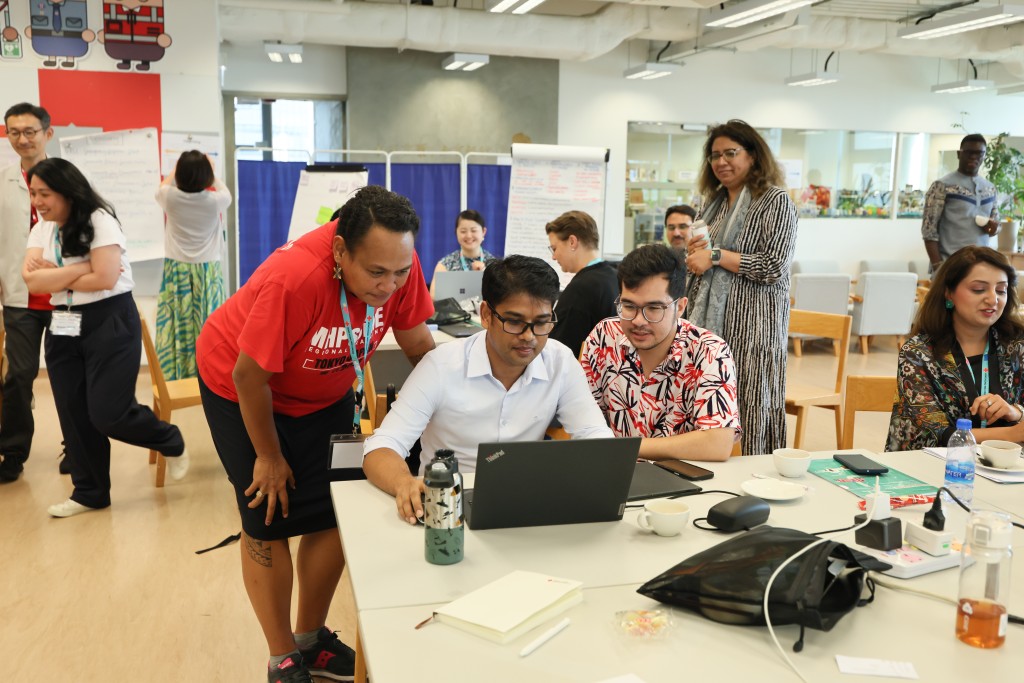
Professionals from 20 different countries across the Asia-Pacific region and beyond participate in the “Asia Pacific Regional Public Health in Emergencies Training (Level B)” training programme in Hong Kong.
Real Stories from the Frontlines
Both experts brought hard-won experience. Before joining the HKRC, Dr. Ching worked in Africa, where she witnessed cholera outbreaks firsthand. “I saw people rushing into health centres with severe symptoms,” she recalled. “Without early surveillance and community oral rehydration points, mortality rates were devastating. Prevention through education and early detection is far more effective than late-stage treatment.”
Stevens shared insights from the Myanmar earthquakes, where proactive Red Cross efforts — including refresher training for volunteers and mobile clinics — helped avert a feared water borne diseases despite massive infrastructure damage. “Preparation worked,” she said.
Why Public Support Matters
As public health threats grow more interconnected, investment in preparedness remains essential. The experts stressed that donations to international relief efforts directly fund training, surge deployments, community programmes, and emergency supplies.
“Public health protects all of us,” Stevens and Ching agreed. “Whether it’s preventing the next dengue surge in the Asia-Pacific or containing Ebola in Africa, early action saves lives and reduces long-term costs.”