Read More



HK-born adult star Erena So's ads on offshore gambling site removed
24-06-2026 18:36 HKT


Police launch anti-illegal gambling operation ahead of World Cup
08-06-2026 04:25 HKT









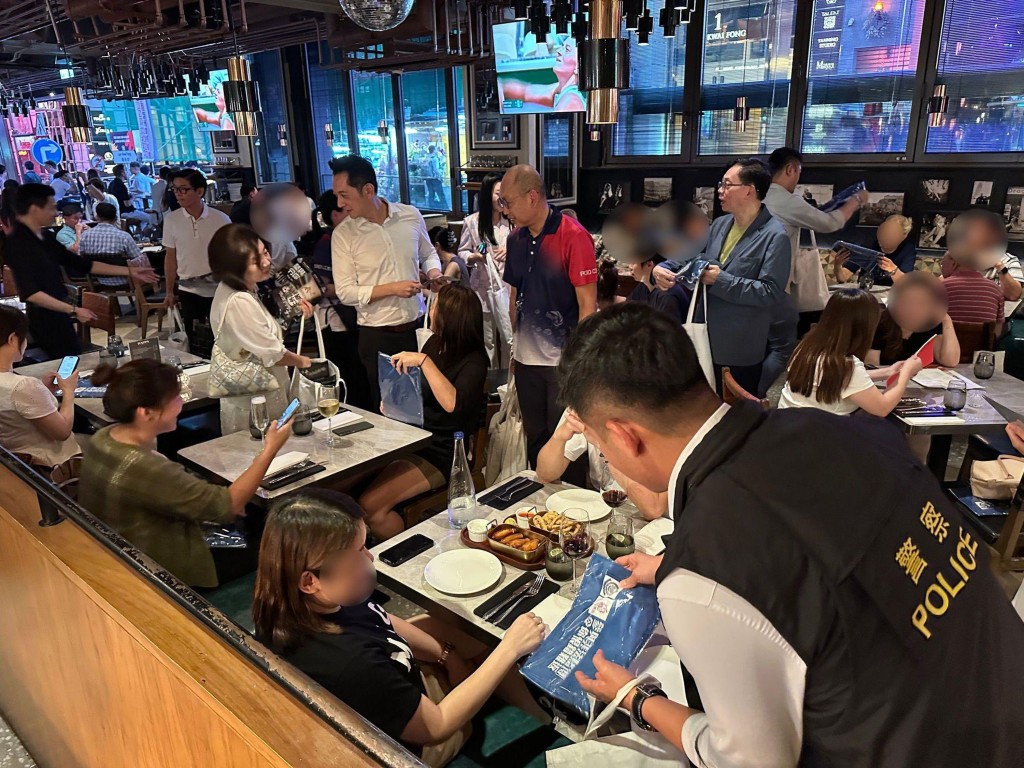
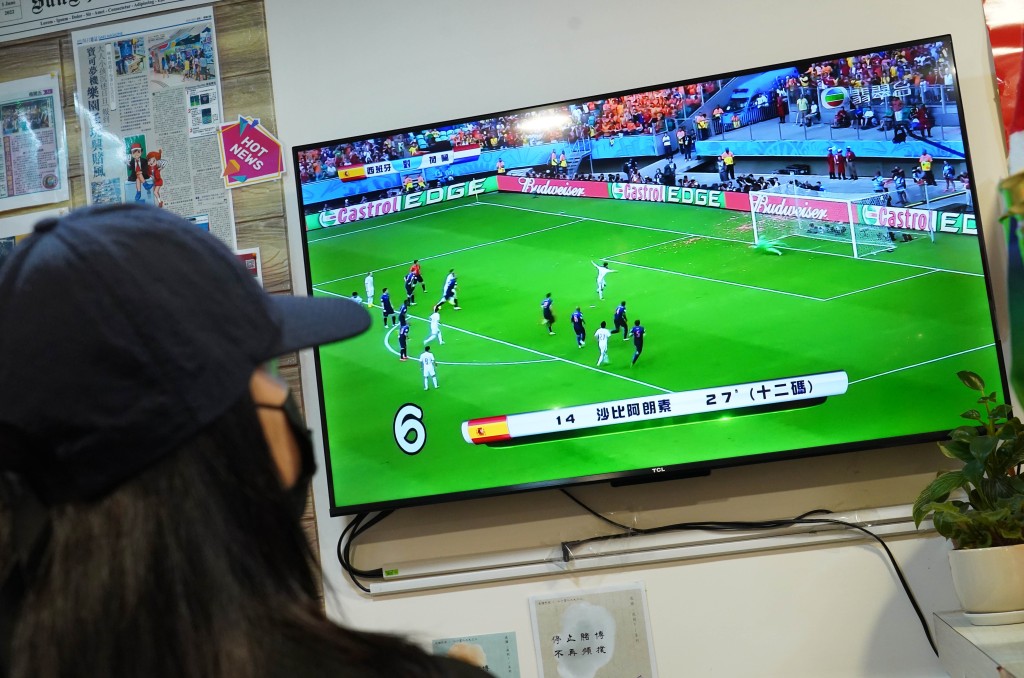
With the World Cup in full swing, police are doubling down on illegal gambling behind screens, with nine intermediaries and gamblers already arrested for betting with unauthorized bookmakers.
The arrest follows a full-scale cross-departmental operation targeting overseas illegal gambling syndicates since late January.
Among the nine arrested as of June 14, six were caught using bank accounts to place bets on illicit gambling websites — with the largest transaction amounting to HK$320,000 — and three others for acting as illegal intermediaries.
In an interview with East Week, sister publication of The Standard, the Organized Crime and Triad Bureau (OCTB) revealed the operation aims to address illegal gambling from four directions—promotion, education, intelligence, and enforcement.
Notably, two major operations, codenamed "Crowbeak" and "Windshield," are now targeting the sugar-coated traps of illegal online gambling schemes aimed at teenagers.
Featuring a record 104 matches in the highly anticipated World Cup, Chief Inspector Wong Yu-fai of the OCTB noted the police force is bracing for a surge in illegal gambling activity. "We don't know yet whether late-night matches will affect the patterns of illegal gambling activities, but we will step up enforcement to root out all illegal gambling operations," Wong said.


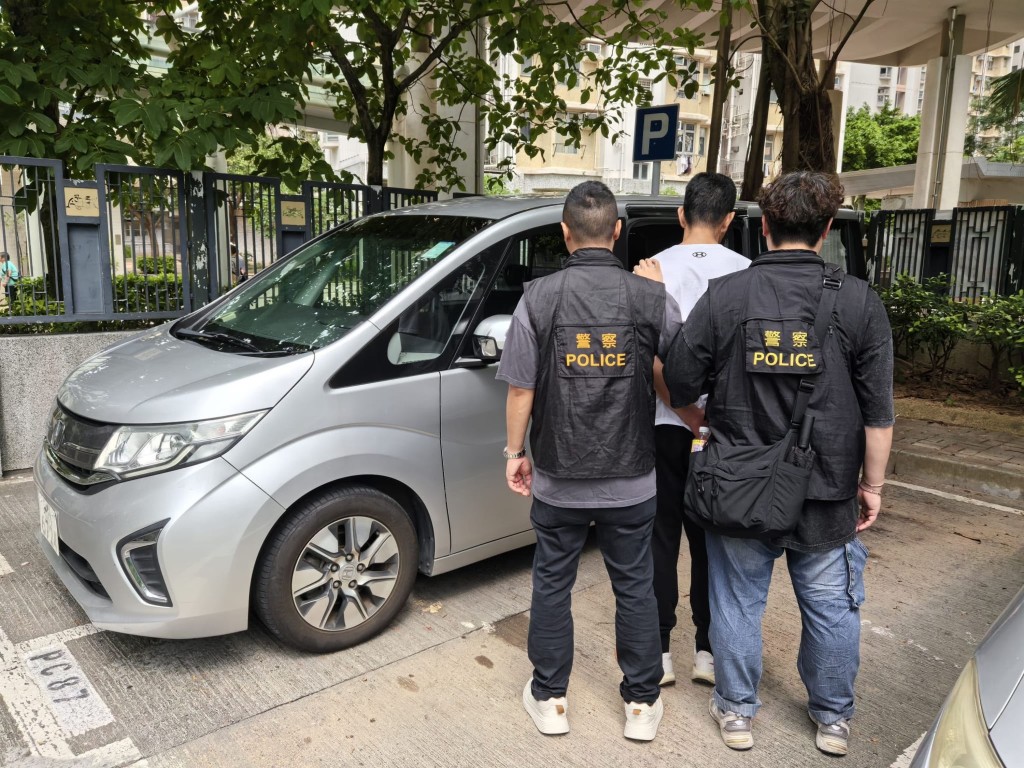
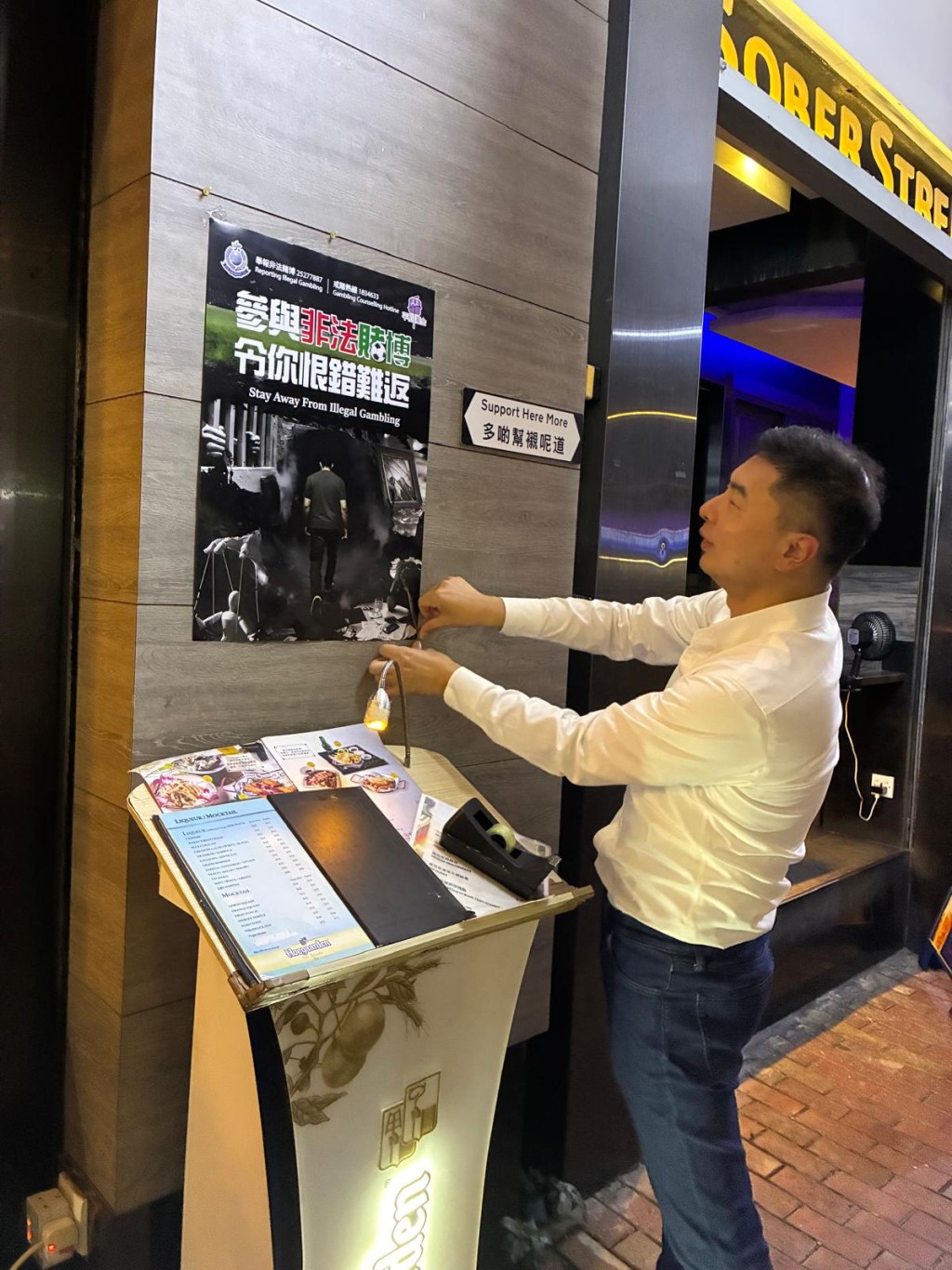
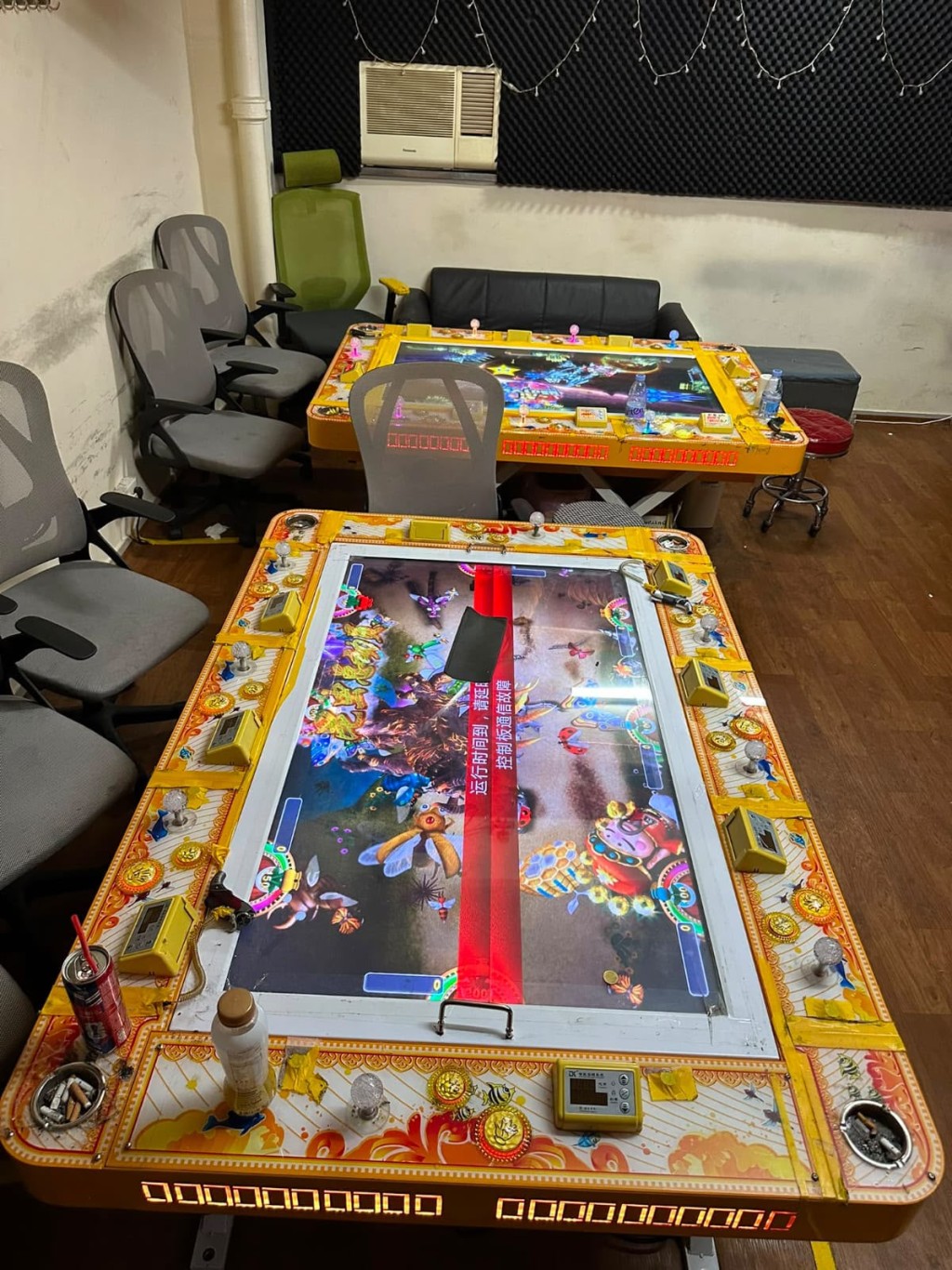
The two operations have a proven track record, where officers cracked a total of 374 serious gambling cases with 4,482 arrests, seizing HK$3.08 million in criminal proceeds, and recorded HK$1.1 billion in betting turnover for the whole year of 2025. The operations' effectiveness is further illustrated by 735 arrests during UEFA Euro 2024 and 1,104 during the 2022 World Cup.
However, Wong warned that the shift to digital gambling, running from betting interfaces to social media advertising to crypto payments, has made teenagers especially vulnerable. Teenagers are just clicks away from enticing illegal gambling platforms, which are often fueled by peer pressure, he added.
"Alarmingly, they fall into these sugar-coated traps without realizing it," Wong said, warning that small bets can lead to debt, money laundering, and even being forced by syndicates into criminal acts such as money laundering. He stressed that police are stepping up awareness in schools, launching educational campaigns against online gambling with the Home and Youth Affairs Bureau, the Ping Wo Fund, and Fight Crime Committees across districts.
"After all, prevention is the long-term solution as temptations are everywhere," Wong said, adding that the campaigns are simply aimed at preparing teenagers against harmful content.
Regarding the illegal gambling ads on social media, he stated that police would request immediate removal from platform providers.
While some illegal sites now accept cryptocurrency, Wong assured that the police are equipped with the experience and capability to trace virtual asset transactions, as bank and stored-value payment transfers remain the primary methods.
He added that many illegal gambling sites are overseas-based and claim foreign registration to trick bettors, but police have already developed close intelligence ties and stand ready for joint cross-border operations.
Senior Inspector Lau Kai-yin from the OCTB stressed that only regulated horse racing, football betting, Mark Six lotteries, and licensed gambling venues are legal under Hong Kong's Gambling Ordinance.
"Some illegal bookmaking syndicates are controlled by triads," Lau added, noting anyone placing a bet with an unlicensed bookmaker commits an offense and is liable to nine months' imprisonment and a HK$50,000 fine. Meanwhile, engaging in illegal bookmaking can lead to seven years in prison and a HK$5 million fine.
With FIFA naming an official prediction market partner for this year's World Cup, police said Hong Kong users cannot place real-money bets but only points on that platform, despite anticipation that the betting pool could reach over US$2 billion.
Barrister Albert Luk Wai-hung pointed out that Hong Kong's Gambling Ordinance was built around traditional bookmakers and betting pools, with only a limited effect on prediction markets, offshore servers, cross-border payments, and cryptocurrencies amid the changing illegal betting landscape.
Highlighting the challenges for enforcement, Luk suggested the government invite experts to study regulatory reforms to tackle the ever-evolving forms of illegal gambling.