
Read More
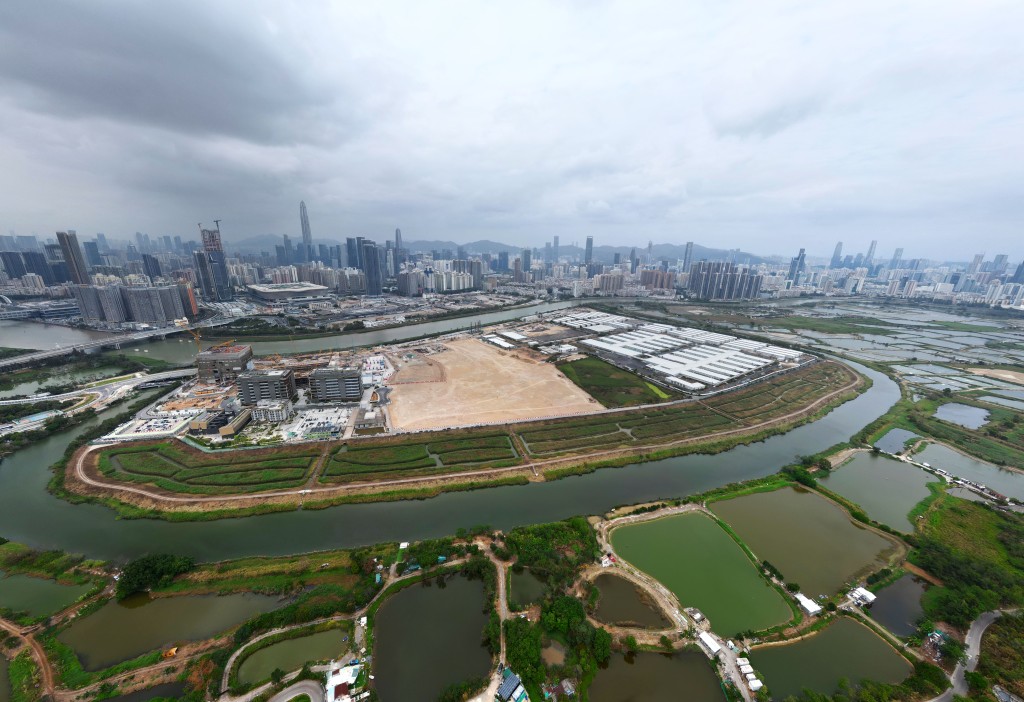
The Hetao Shenzhen-Hong Kong Science and Technology Innovation Co-operation Zone has secured leases with more than 90 technology enterprises, with officials highlighting the zone's unprecedented ability to seamlessly integrate cross-border data, talent, and capital.
ADVERTISEMENT
SCROLL TO CONTINUE WITH CONTENT
Strong demand and a global tenant mix
Permanent Secretary for Innovation, Technology and Industry Kevin Choi revealed on a weekend radio program that the first three buildings, which were completed late last year, have experienced overwhelming demand.
Two wet laboratory facilities are already fully leased out.
The current tenant mix heavily reflects Hong Kong's role as a global connector, with mainland Chinese companies comprising half of the enterprises, local firms taking up 30 percent, and overseas businesses from countries such as Switzerland, South Korea, and Finland making up the remainder.
The roster of occupants spans various scales, featuring around ten major listed tech giants and industry leaders, including Lenovo, AstraZeneca, and Goertek.
However, startups represent a significant 70 percent of the total tenants.
Officials hope this diverse mix will create a unique, self-sustaining ecosystem where major corporations can guide the development of smaller firms, while startups provide agile and innovative thinking to established giants.
Targeted incubation for emerging startups
To systematically nurture this massive startup presence, the park has rolled out three accelerated incubation programs focusing primarily on life sciences and artificial intelligence.
From a pool of over 700 applications, 108 startups were selected to join the initiative.
These emerging companies will be mentored by established industry heavyweights like BGI Group to speed up their growth and commercialization.
Driven by the strong market response, authorities are accelerating the construction of the remaining five buildings in the first phase.
The flagship ten-story "Building 1" has already been topped out and is expected to open by the end of this year, up to two quarters ahead of schedule, with 70 percent of its floor space already pre-leased.
This flagship facility will champion the integration of industry, academia, and research by housing a joint life and health research headquarters formed by three local universities, alongside global institutions like Cambridge and MIT through the InnoHK collaborative platform.
Anti-speculation tenders and talent housing
Beyond research facilities, the park's first residential building has welcomed its initial cohort of researchers, who have praised the short commutes, extensive green spaces, and shared lecture facilities.
To meet anticipated demand, two more talent apartments are currently being put up for tender.
To ensure the innovation hub does not devolve into a standard property development, the government has adopted a "two-envelope" tendering system for the remaining phase-one land parcels.
Under this model, the financial land premium bid will only account for 30 percent of the overall assessment.
The remaining 70 percent will be heavily weighted toward the technological and economic value the bidding enterprises can bring to Hong Kong, including their investment size, technological advancements, and job creation potential.
Frictionless borders and secure data flow
Physical and digital connectivity with Shenzhen remains a cornerstone of the project. A 200-meter West Bridge linking the two sides of the river is currently under construction and is slated for completion between late this year and early next year.
Paired with a newly proposed "whitelist" pre-registration system for researchers, the bridge will eventually enable frictionless, sensor-based border clearance.
Furthermore, the park plans to establish a localized supercomputing center and a public sample storage bank to ensure that sensitive mainland data and biological samples can flow freely into the Hong Kong side of the Loop while remaining securely contained within the designated zone.