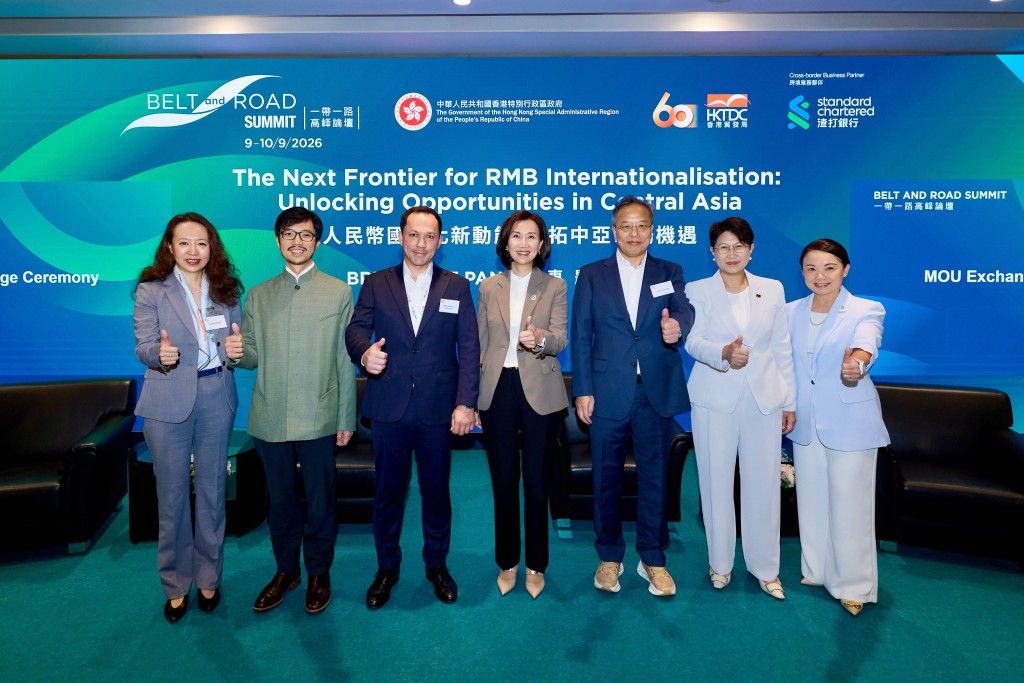
Hong Kong is set to strengthen its economic ties with Central Asia as Chief Executive John Lee prepares to lead a high-level trade mission to Kazakhstan and Uzbekistan in June. The delegation, organized by the Hong Kong Trade Development Council (HKTDC), aims to unlock new business opportunities beyond the city’s traditional markets.
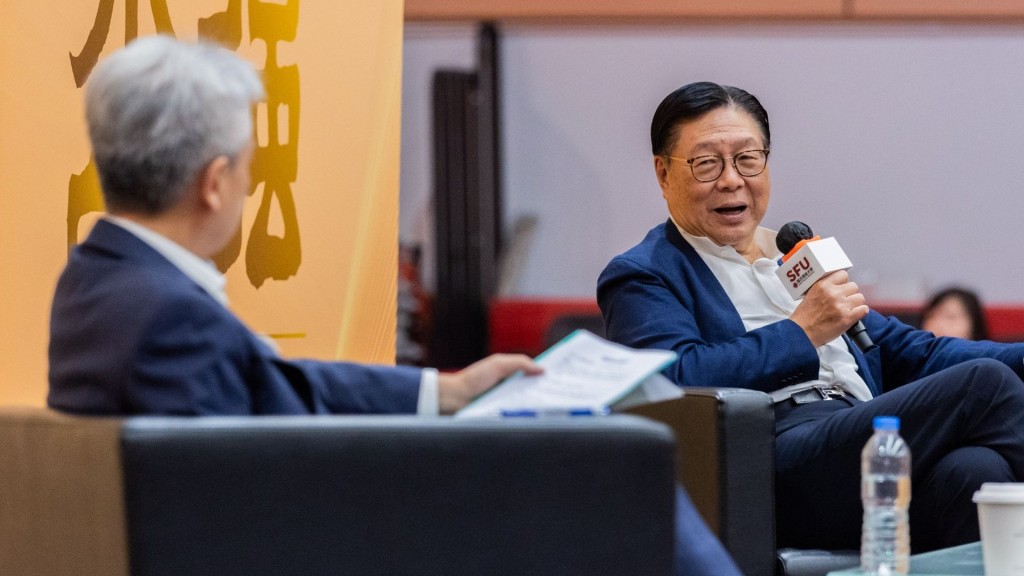
HKTDC chairman Frederick Ma Si-hang expressed optimism about the visit, highlighting the diverse delegation representing multiple sectors and emphasizing the potential for significant business deals.
Kazakhstan, Central Asia’s most developed economy, recorded a gross domestic product exceeding US$300 billion in 2025, reinforcing its position as the region’s economic powerhouse. The country serves as a crucial business and logistics hub between China and Europe, leading the region in economic output and purchasing power.
Kazakhstan is Hong Kong’s largest trading partner in Central Asia and a key export market. As of January 2026, Hong Kong ranked fourth among Asian net investors in Kazakhstan. Financial ties are strengthening, marked by the first dual stock listing between Hong Kong and Kazakhstan last year.
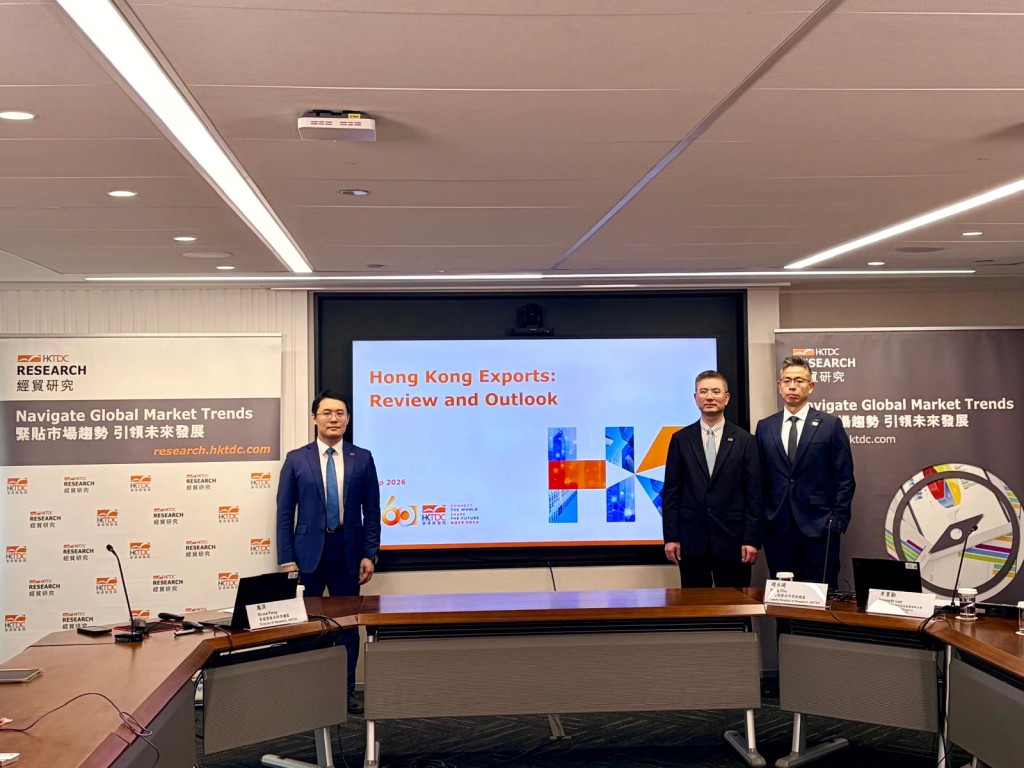
The country is also advancing large-scale data center projects in a bid to become Central Asia’s leading digital hub. Bruce Pang, HKTDC’s director of research, noted that as more companies develop AI platforms and rely on data centers, Hong Kong’s expertise in fundraising and financial services will become increasingly important.
Uzbekistan, the region’s most populous nation with over 38 million citizens, is strategically located at the heart of Central Asia and shares borders with all neighboring countries.
With a rich Silk Road history, Uzbekistan has cultivated stable economic growth, achieving annual rates above 5 percent in recent years. Abundant resources such as gold and cotton bolster its growth prospects. The growth trajectory positions Uzbekistan as a prime entry point for businesses eager to tap into the expansive Central Asian market.
Uzbekistan has also streamlined trade procedures and embraced digital transformation, which, according to the HKTDC, opens up substantial opportunities in infrastructure, logistics, and trade cooperation.
HKTDC principal economist Alice Tsang said Hong Kong firms could gain a first-mover advantage by partnering with or establishing factories in Uzbekistan. Tashkent’s effort to build a ‘Made in Uzbekistan’ brand could serve as a springboard for Hong Kong companies to access Central Asian and European markets.
Ma and his team foresee strong outbound opportunities for Mainland technology firms, especially those specializing in artificial intelligence, to expand into these emerging markets through Hong Kong.
Mainland China is Uzbekistan’s largest trading partner, accounting for more than 20 percent of its foreign trade turnover. Kazakhstan remains the Mainland’s economic anchor in Central Asia, with bilateral trade reaching US$48.8 billion in 2025, or 46 percent of the Mainland’s trade with the region. The HKTDC noted that Central Asia’s growing appeal to Mainland capital is increasing demand for Hong Kong’s financial and professional services, such as cross-border financing, wealth management, and legal compliance, cementing Hong Kong’s role as a key intermediary.