The Food and Environmental Hygiene Department has initiated prosecutions and issued statutory notices demanding that local construction sites and residential estates clear stagnant water in Tai Wai, after the district recorded a staggering 46 percent in the latest gravidtrap index for Aedes albopictus in May.
The enforcement actions come amid a wider surge in Aedes albopictus activity across Hong Kong. Data from the department showed that 14 survey areas have surpassed the 10 percent alert threshold in the indexes.
Speaking on a radio program on Thursday, the department’s Senior Superintendent (Cleansing and Pest Control) Hung Sai-kit explained that Tai Wai has triggered Level 4—the highest tier of the index system, reflecting an extremely widespread distribution of Aedes albopictus in the area.
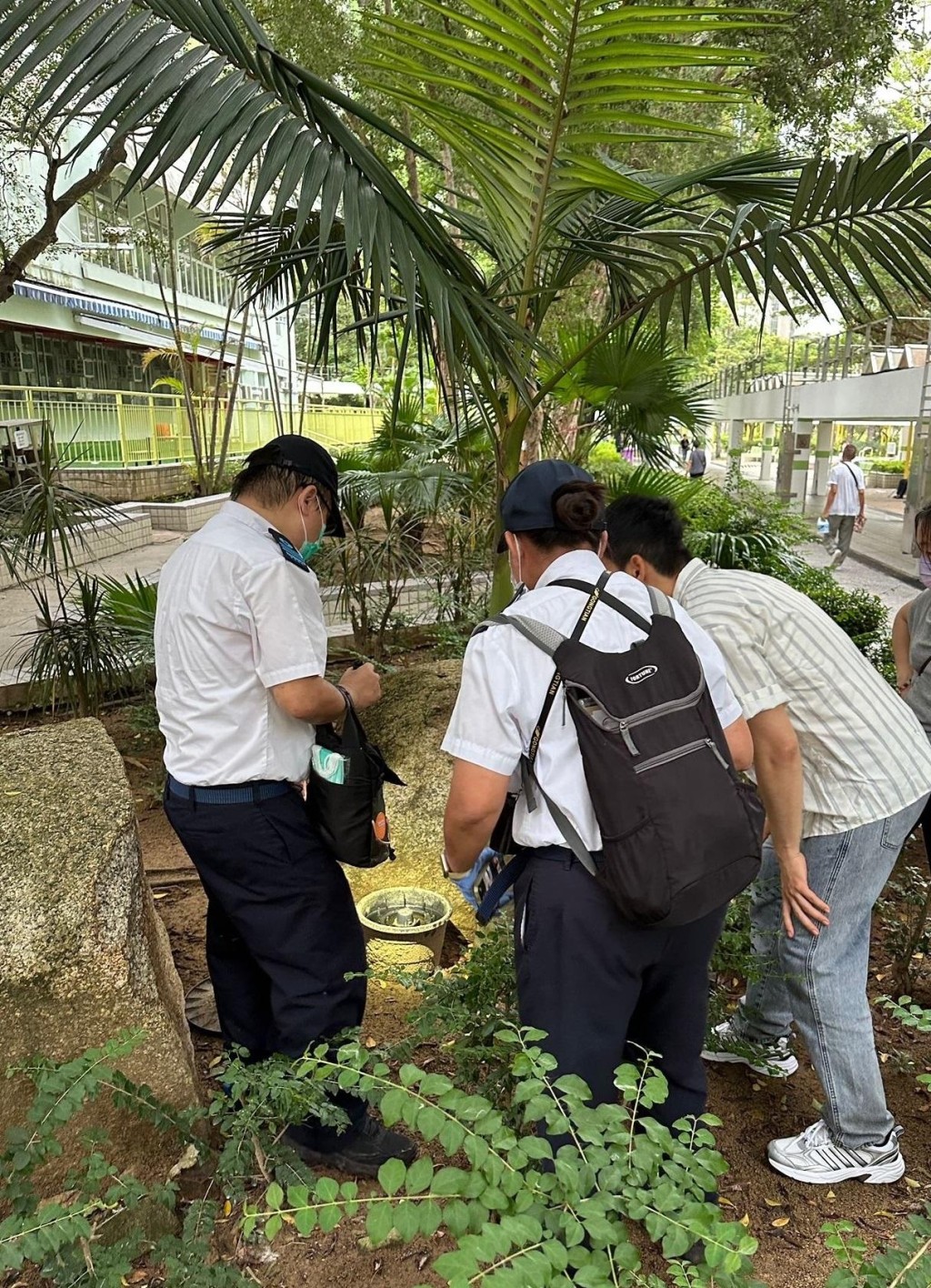
He said inspections found construction sites and housing estates have become primary breeding grounds. The department has initiated legal action and are urging residents to heighten their awareness.
Hung noted that April to September marks the peak active season for Aedes albopictus due to rising temperatures and rainfall, though the current trend aligns with data from previous years.
In response to the surge, the department has lowered its threshold for triggering enhanced anti-mosquito operations and has coordinated cross-departmental and cross-sector collaboration to pinpoint high-risk zones.
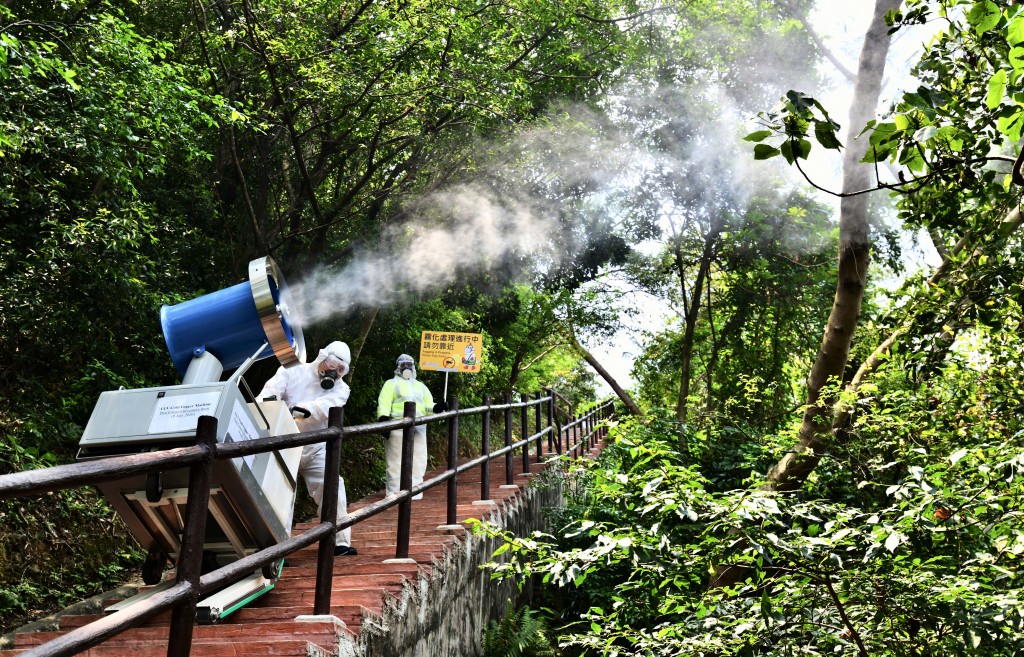
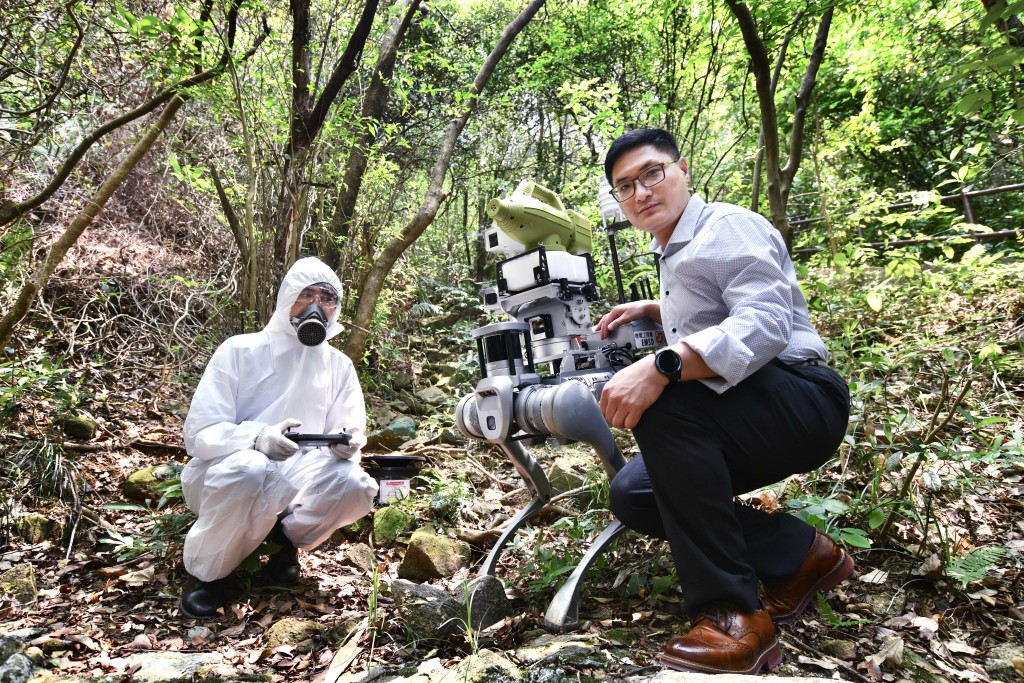
The department is adapting its tactics based on terrain by deploying new technologies alongside traditional methods. Hung explained that a robotic dog for mosquito control and traditional backpack sprayers are used in dense shrubbery and on slopes, while large-scale mechanical sprayers are employed in extensive areas.
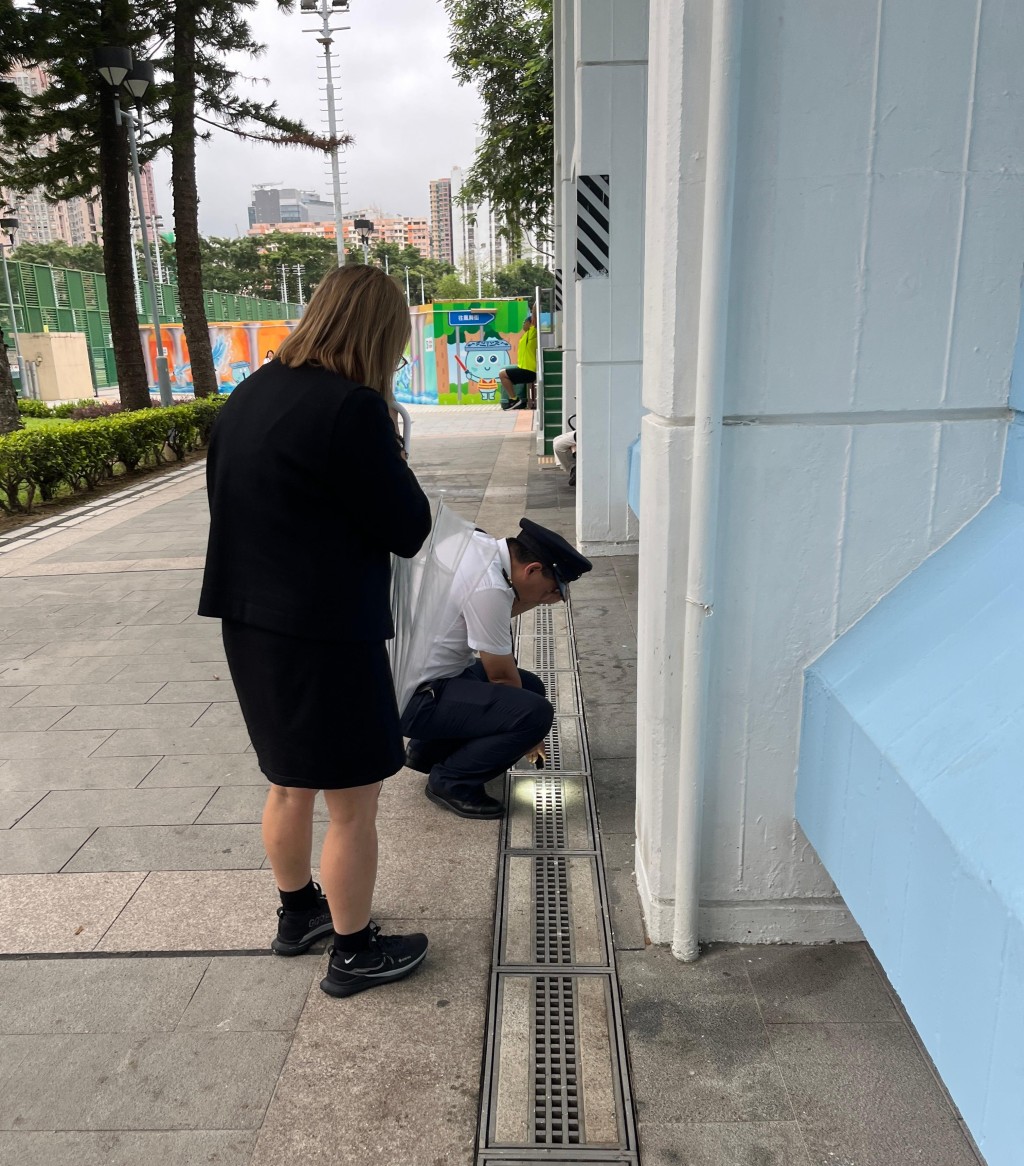
Furthermore, targeted inspections have been launched at private housing estates, public housing estates, schools, parks, and construction sites.
Sha Tin West district councilor Chan Tan-tan said on the same program that he has received an influx of complaints from residents and construction workers regarding the severe mosquito infestation.
Chan pointed out that the recent boom in roadworks and building construction in the district has exacerbated the problem, as bamboo scaffolding and water-filled barriers easily trap rainwater.
While Chan has been working with authorities to clear drainage blackspots and apply larvicidal sand, he highlighted that traditional spraying faces physical limitations on steep slopes.
He urged the government to follow the example of the Greater Bay Area and Singapore by introducing drones and Internet of Things (IoT)-enabled smart mosquito traps to modernize Hong Kong’s pest control strategy.