






Read More

Central Asia series | New Silk Road 2.0: HK to Central Asia
18-05-2026 06:00 HKT
Morning Recap - October 16, 2026
5 hours ago
Transport chief takes a back seat on fining transit nuisance behavior
14-10-2026 18:09 HKT


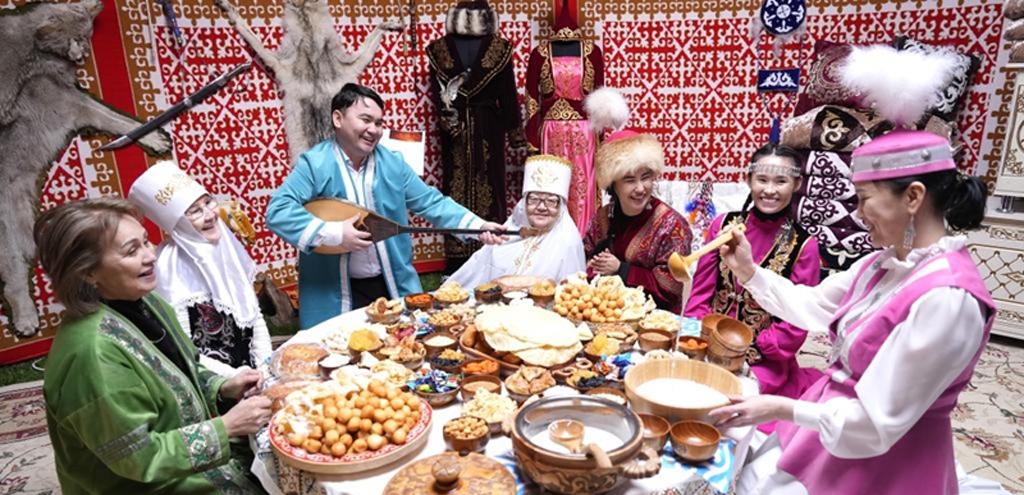
Kyrgyzstan is one of the poorest of the five Stans, but the freest.
Its economy runs on re-exports. Chinese and Turkish goods flood into the Dordoy Bazaar and get trucked to Kazakhstan and Russia. The Kumtor gold mine produces nearly 10 percent of the country’s GDP. After years of legal disputes, Kyrgyzstan took full ownership in 2022.
In 2005 and 2010, Kyrgyzstan overthrew two presidents, earning the nickname “Central Asia’s island of democracy.”
But before the revolutions, there was Manas. The Epic of Manas – 20 times longer than Homer’s Iliad and Odyssey combined – tells of Manas the Noble, who united 40 tribes against invaders. Illiterate nomads memorized every line. Today, a statue of Manas stands in every town square.
With its mountain landscapes, Kyrgyzstan is called the “Switzerland of Central Asia.” Issyk-Kul Lake, the world’s second-largest alpine lake, is ringed by Soviet sanatoriums and yurt camps. The yurt is the cultural heart. Eagle hunters still ride horses.
Nearly a million Kyrgyz work in Russia; their remittances keep families fed.
For Hong Kong travelers: visa-free, affordable, breathtaking. For investors: chaotic enough to offer entry, transparent enough to avoid endless bribery.
Read more:
New Silk Road 2.0: HK to Central Asia
Kazakhstan: the business anchor – ‘Financial hub of the Caspian’
Uzbekistan: the soul of the Silk Road – awakening giant
Turkmenistan: the locked door – gas-rich, marble-clad, and nearly impossible to enter
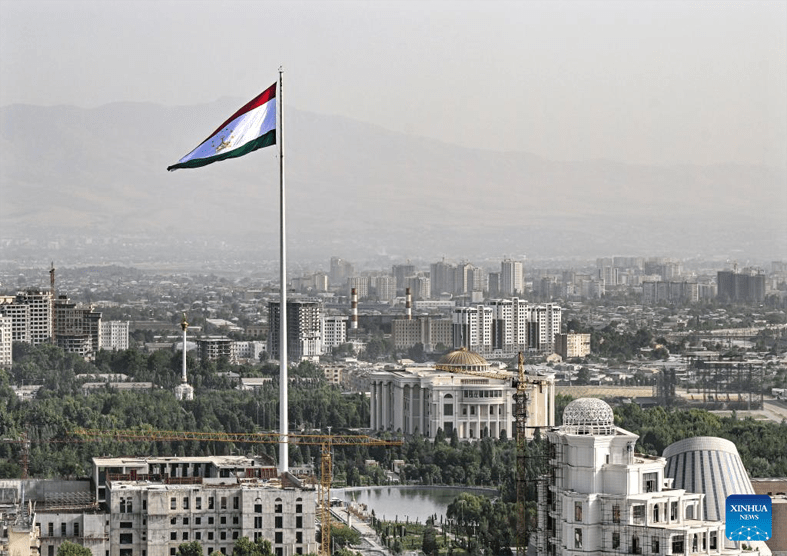
Tajikistan: the roof of the world – poorest of the Soviet heirs, richest in mountains and resilience