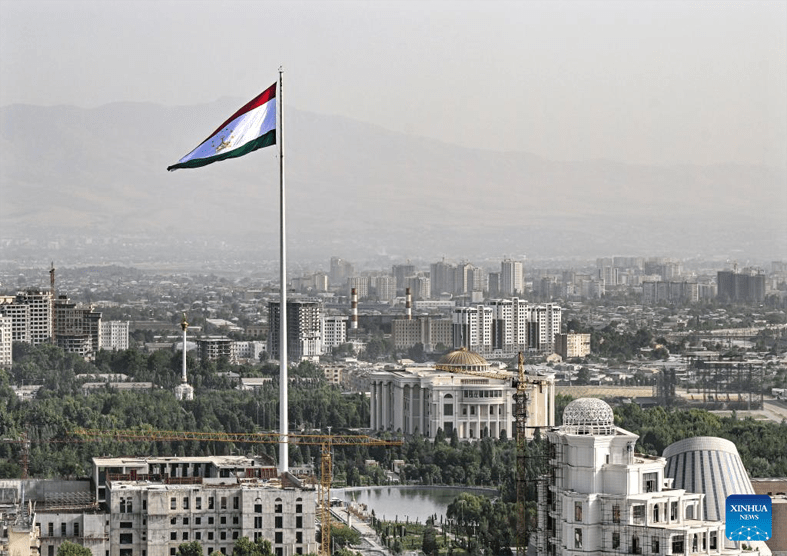
Tajikistan is the poorest of the former Soviet republics, with over 20 percent of GDP from remittances – mostly laborers in Russia. When the ruble trembles, Tajik families feel the earthquake.
The one bright spot is hydropower. The Rogun Dam, built with Chinese loans and World Bank guarantees, aims to power every home and export electricity to Afghanistan and Pakistan. If completed, it could transform Tajikistan from a remittance-dependent state into a regional power broker.
Tajiks speak Persian, not Turkic. Their culture looks to Iran and Afghanistan, not to Istanbul or Samarkand. A brutal 1992–1997 civil war killed over 50,000 people and displaced more than a million. The peace since has been fragile.
The Pamir Highway – one of the world’s highest roads, cuts through its remote region to Kyrgyzstan, Uzbekistan, and Afghanistan. Outside the capital Dushanbe, life has not changed much in a century: subsistence farming, strong green tea, and evenings reciting Persian poems. Women wear bright atlas silk.
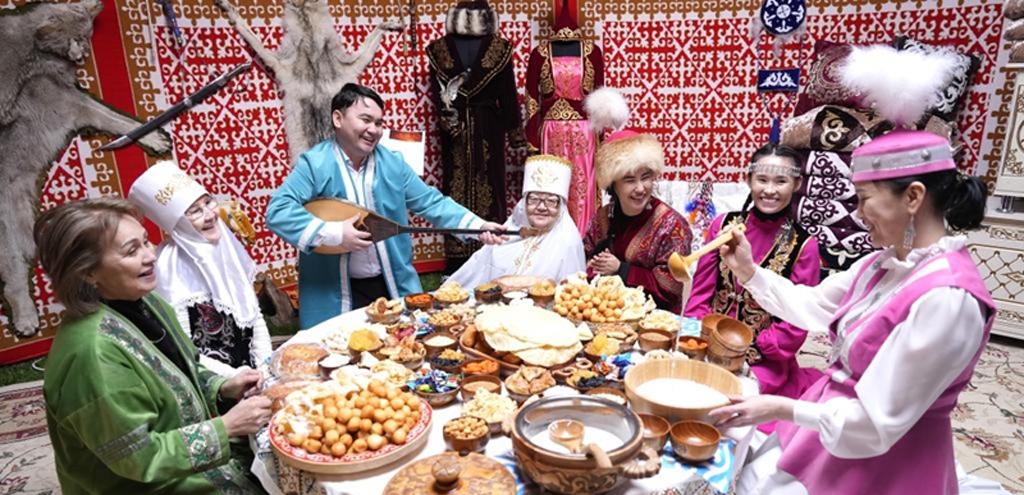
Men offer bread so sacred that dropping a piece is a sin. Weddings last a week. Funerals empty villages.
For Hong Kong travelers, this is the trekker’s last frontier.
Read more:
New Silk Road 2.0: HK to Central Asia
Kazakhstan: the business anchor – ‘Financial hub of the Caspian’
Uzbekistan: the soul of the Silk Road – awakening giant
Kyrgyzstan: the most democratic – Switzerland of Central Asia
Turkmenistan: the locked door – gas-rich, marble-clad, and nearly impossible to enter