For most Hongkongers, Central Asia remains a blank space on the map – but thanks to a resource boom and liberalization, the five “Stans” are becoming Hong Kong’s next frontier.
The Standard is running a series of stories revealing various aspects of Central Asia – economy and finance, society and politics, art and culture – as well as their growing ties with Hong Kong.
The five “Stans” – home to 85 million people, vast energy reserves, and natural resources – are led by Kazakhstan and Uzbekistan. “Stan” is a Persian suffix meaning “place of.” These lands were once part of the Persian Empire and later the USSR. Three of the five share a border with China’s Xinjiang region, demarcated by the Tianshan Mountains.
Today, Central Asia is not a single story. Kazakhstan offers business pragmatism – the common-law based Astana International Financial Centre, backed by oil wealth. Uzbekistan offers cultural depth – Samarkand, Bukhara, the soul of the Silk Road – and is now the region’s most dynamic reform story. The other three offer risk, beauty, or both: Turkmenistan’s gas-rich isolation, Kyrgyzstan’s mountain democracy, and Tajikistan’s Pamir frontier.
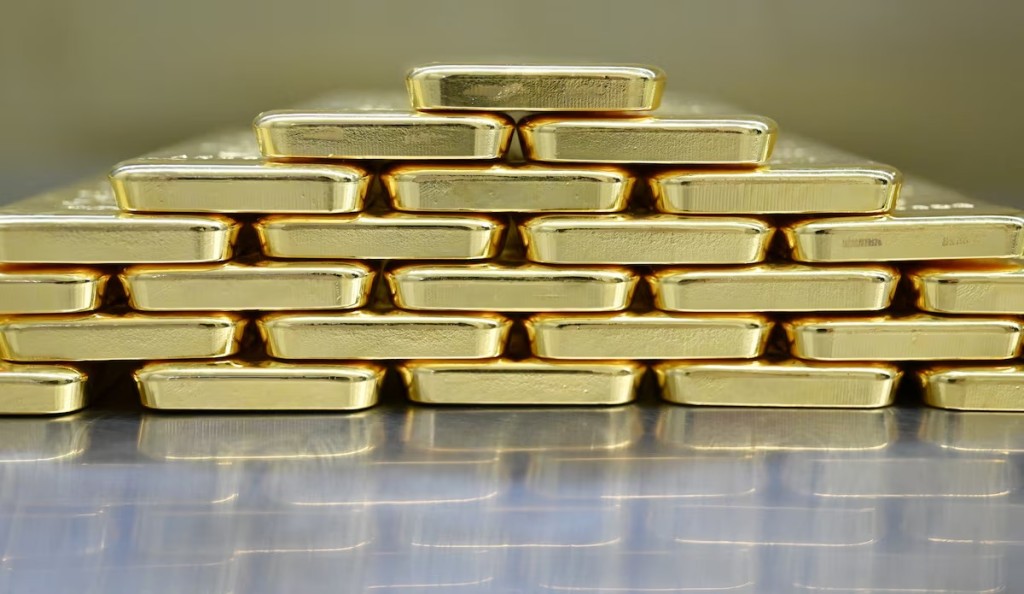
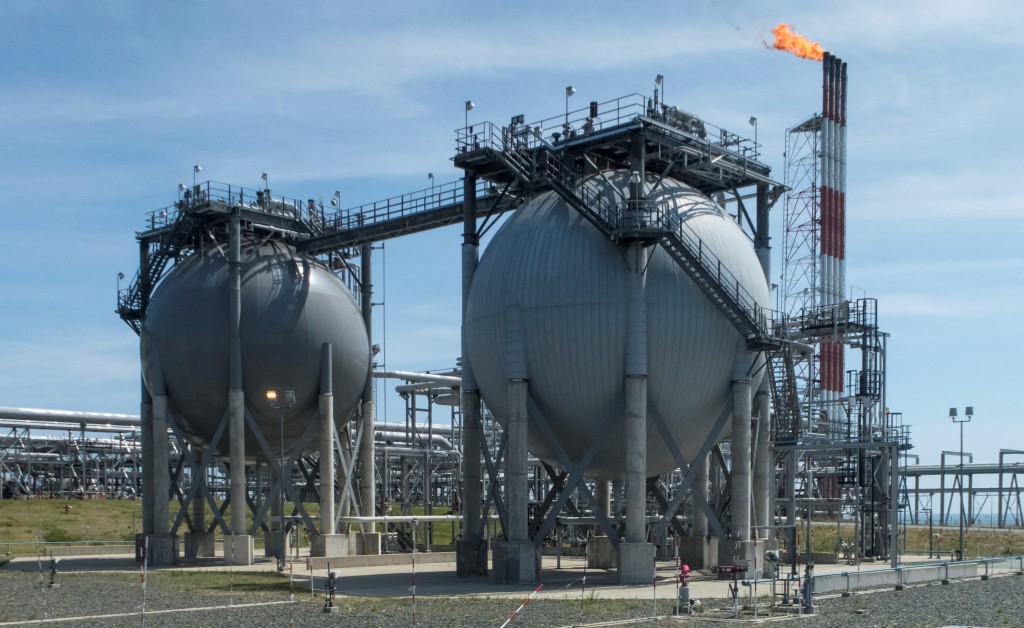
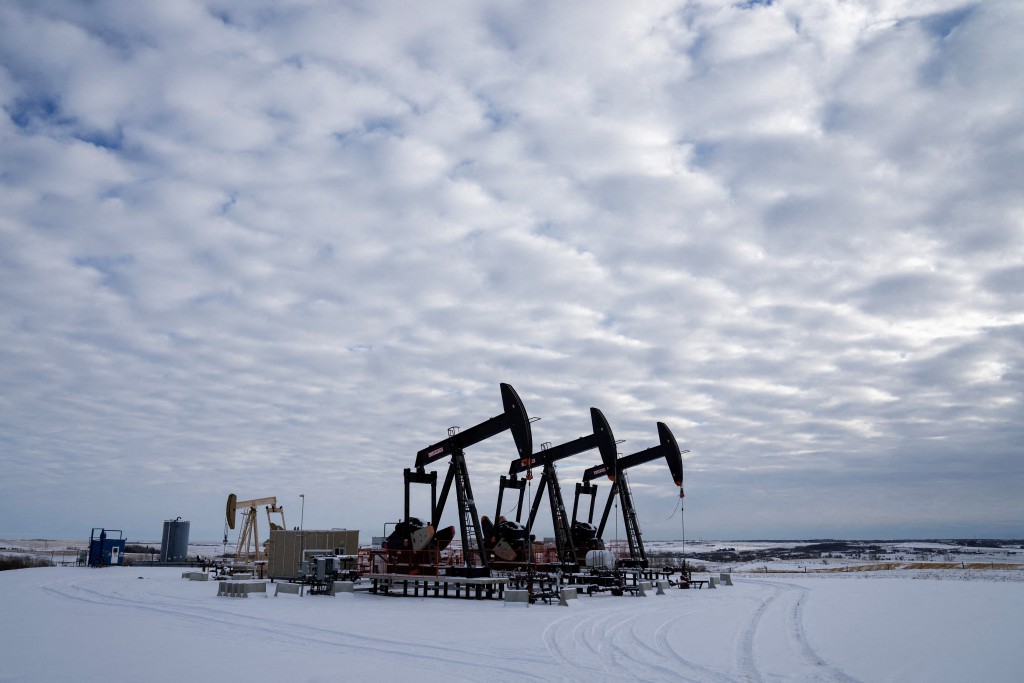
Central Asia is rich in natural resources such as gold, oil and gas. (File Photo)
Central Asia is rich in natural resources such as gold, oil and gas. (File Photo)
Central Asia is rich in natural resources such as gold, oil and gas. (File Photo)
For Hong Kong, the opportunities are real. Kazakhstan and Uzbekistan have capital to deploy and are looking for asset allocation opportunities – including securitizing state assets such as commodities, raising yuan for trade settlement with mainland China, and developing fintech and crypto – all areas where Hong Kong’s capital markets have a clear edge. In addition, both countries are enhancing urban and infrastructure development, including tourism facilities and airport expansion.
Indeed, Central Asia is no stranger to China. There were vibrant exchanges. The Sogdians from Samarkand in Uzbekistan dominated Silk Road trade for centuries as diplomats and cultural bridges, thriving on their steppe, horse, and yurt culture before maritime routes took over. Being landlocked limited Central Asia for centuries, but rising commodity prices and post-Soviet liberalization have changed the picture.
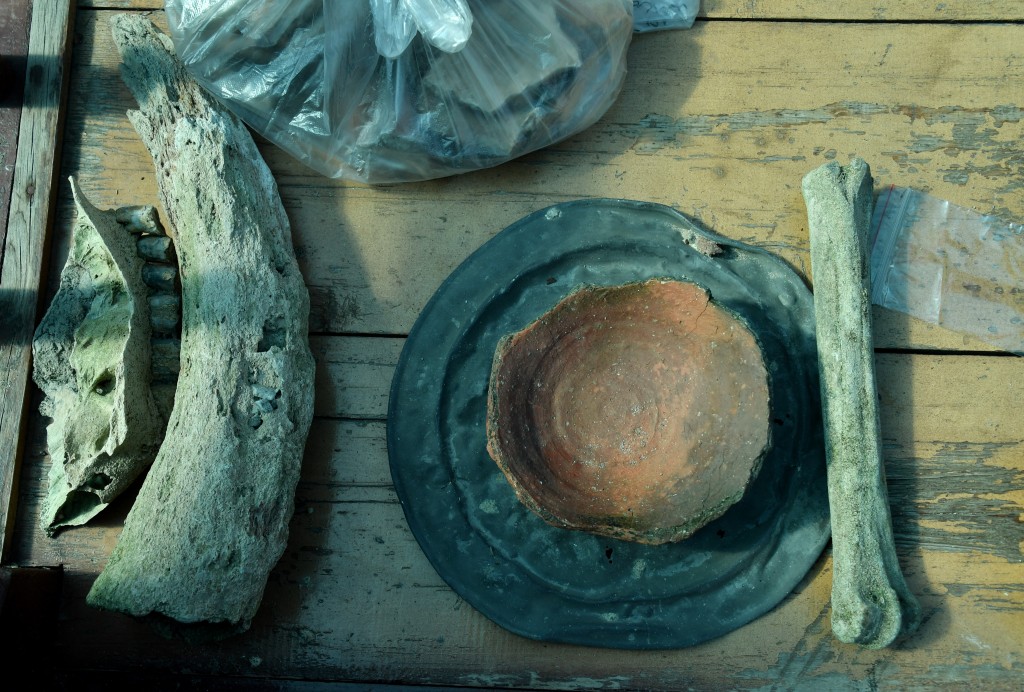
The connections run deeper. Some of these countries proudly claim descent from Timur, the 14th-century conqueror who claimed a link to Genghis Khan and made Samarkand his capital. The Tang poet Li Bai was likely born in Suyab, present-day Kyrgyzstan; Tang coins found there confirm its role as a frontier garrison.
Ming admiral Zheng He may trace his ancestry to Bukhara in Uzbekistan. And 1.5 million Kazakhs live in Xinjiang as one of China’s 56 official ethnic groups.
Islam and Orthodox Christianity are the main religions. While their languages are of Turkic and Percian roots, Russian remains the lingua franca, but more young people are learning Mandarin for business. As the Belt and Road Initiative matures and the Middle Corridor becomes a viable alternative to Russia’s Northern Sea Route, Central Asia is the New Silk Road 2.0 – and Hong Kong has every reason to pay attention.
Hong Kong SAR passport holders can visit Kazakhstan, Uzbekistan, and Kyrgyzstan visa-free, but not the other two countries.
Kazakhstan: the business anchor – ‘Financial hub of the Caspian’
Kazakhstan is the wealthiest of the five Central Asian states, producing about 60 percent of the region’s GDP.
Oil is king, but for Hong Kong, the real story is the Astana International Financial Centre. Launched in 2018, the AIFC operates on English common law – familiar to Hong Kong professionals – with its own court modelled on Dubai’s DIFC.
Beyond oil and gas, Kazakhstan supplies about 40 percent of the world’s uranium. The Khorgos Gateway, a massive dry port on the China-Kazakhstan border, transfers cargo like electronics and auto parts between trains to cut transit times from Asia to Europe.
In August 2025, Kazakh tungsten miner Jiaxin International Resources became the first company to list simultaneously on the Hong Kong Stock Exchange and the AIFC’s Astana exchange.
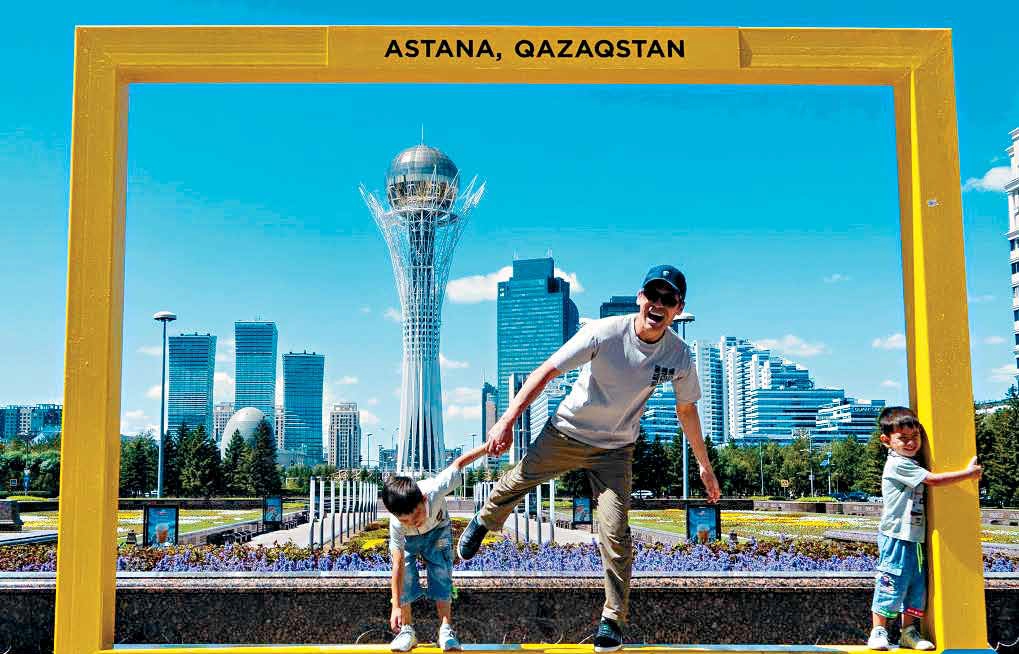
The ninth largest country in the world is the most urbanized of the five. Almaty, the former capital, has espresso bars and a growing tech scene. Astana, the national capital, is a skyline of golden pyramids and tent-shaped malls.
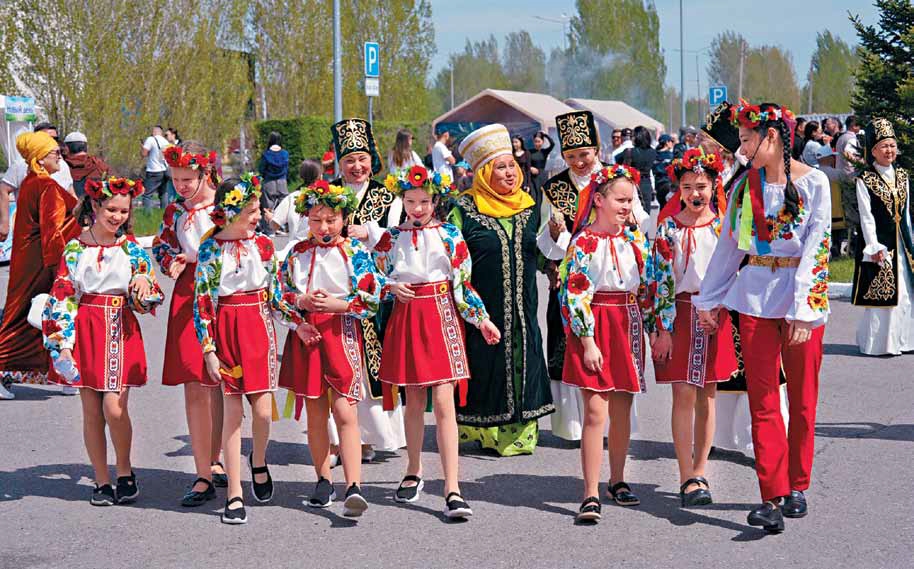
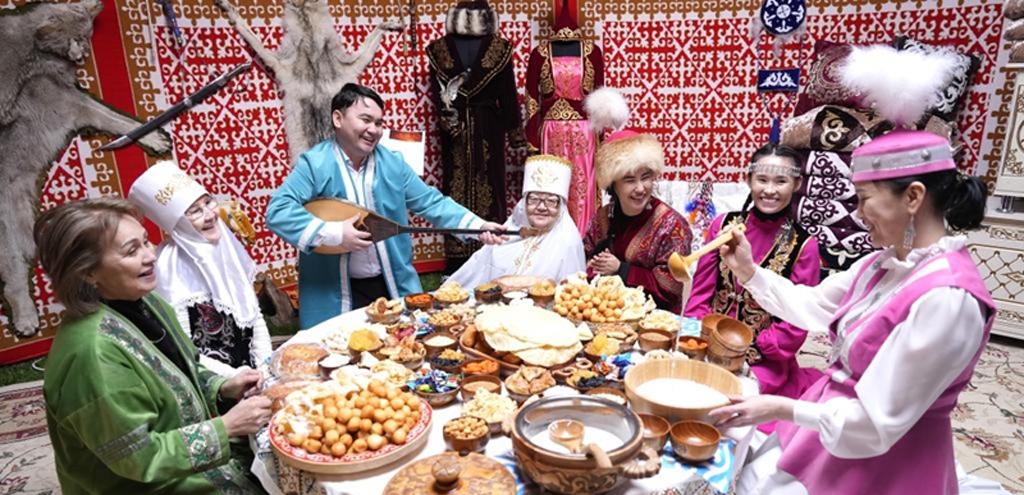
Younger Kazakhs are rediscovering nomadic heritage – eagle hunting, felt-making, horse meat feasts – while speaking fluent English and Russian. For Hong Kong travelers: Astana’s Bayterek Tower, Almaty’s Green Bazaar, Charyn Canyon, and the Unesco Mausoleum of Khoja Ahmed Yasawiin in Turkistan.
Kazakh costume, the dombra (a two-string lute), and films have appeared at Hong Kong’s “Asian Ethnic Cultural Performances+” and Asean Film Festival. Last year, a Kazakh delegation showcased dombra music in Hong Kong.
The first Kazakh restaurant opened in Hong Kong last December, to be covered in this series. Local universities have seen a rise in Kazakh students.
For Hong Kong, Kazakhstan offers common law, low tax, and resource wealth. It is the financial hub of the Caspian.
Uzbekistan: the soul of the Silk Road – awakening giant
Once a hermit kingdom with sealed borders and a worthless currency, Uzbekistan has become the World Bank’s “top reformer” – and for Hong Kong investors, the play is gold, gas, and a youth bulge that needs jobs.
For decades, Uzbekistan was the hermit kingdom – state-controlled cotton and natural gas, a non-exchangeable currency, sealed borders. Since 2016, President Shavkat Mirziyoyev has liberalized the currency, courted foreign investment, and opened tourism. The World Bank has called it “one of the world’s top reformers.” Growth has averaged 5 to 6 percent annually. It is building Tashkent City, a modern financial district that contrasts with Soviet-era architecture, vast squares, and Timur statues.
This is a far cry from my experience exchanging a US$10 (HK$78) for a supermarket bag stuffed with Uzbek som in a restaurant in 2016. Today, the som is fully convertible.
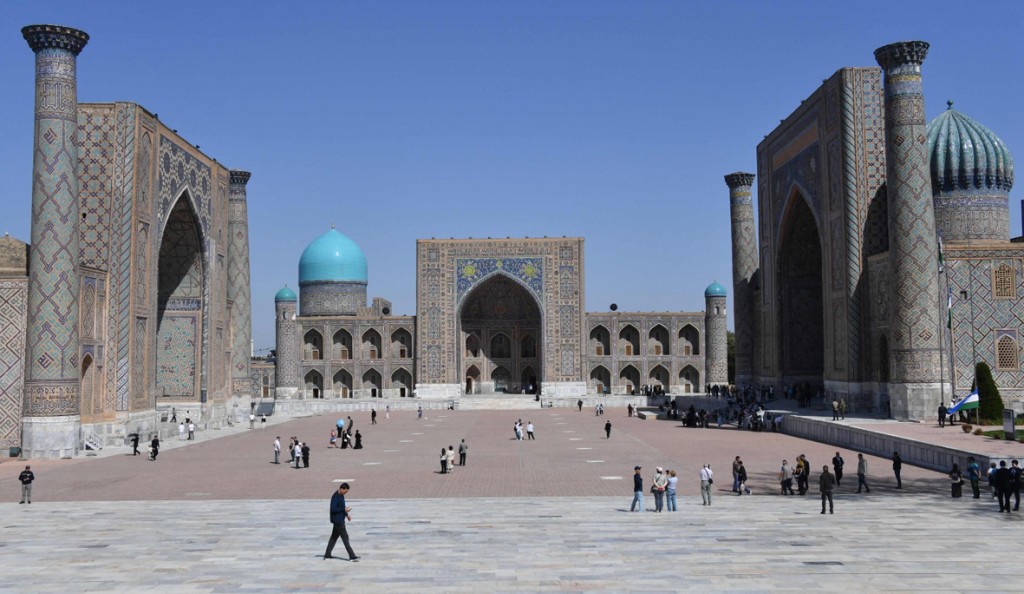
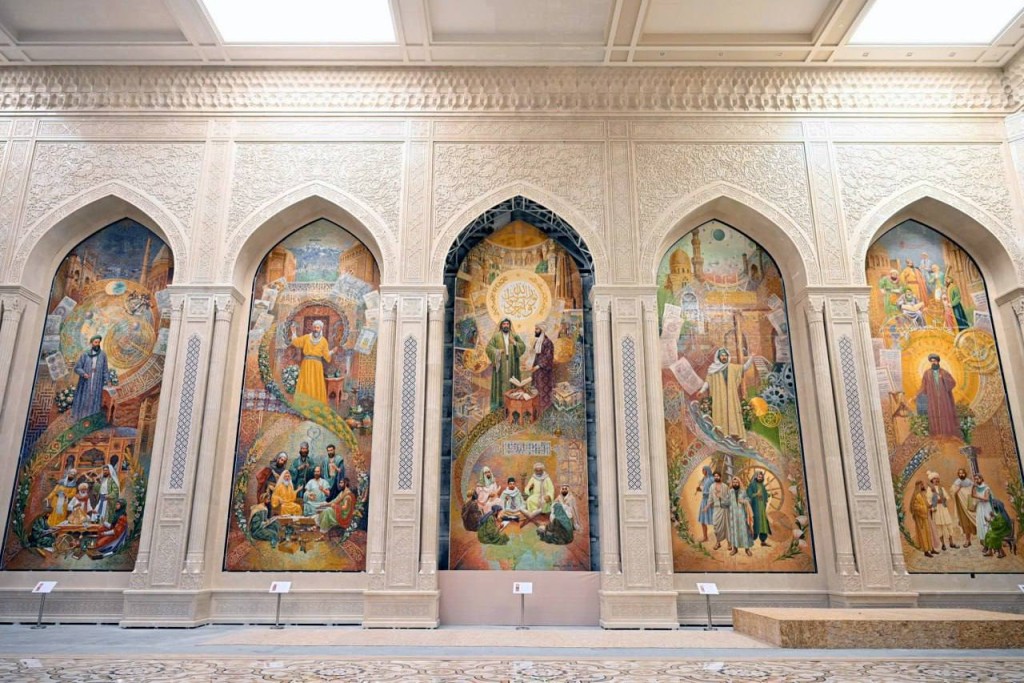
No country defines the Silk Road better. In the 14th century, Timur built an empire from Samarkand, covering it in turquoise domes. Beyond ties with China, the Mughal Empire – which ruled the Indian subcontinent for three centuries – was founded by the Uzbek prince Babur. The Soviets later turned the region into a cotton monoculture, leaving scars like the drying Aral Sea.
Uzbekistan is the most populous and traditionally Muslim of the five. Extended families live in mahallas—neighborhood councils that mediate disputes and manage local budgets. During the cotton harvest, teachers leave classrooms, doctors abandon clinics. Bread is stamped with a chekich; each baker’s stamp is unique. An Uzbek proverb: “Respect for bread is respect for country.”
Young Uzbeks are swapping Russian for English and Turkish pop. The median age is under 30, drawing foreign factories to special economic zones. Last year, the national football team reached the Asian Cup knockout stage; each player received a BYD electric vehicle.
For Hong Kong travelers: original 14th-century tilework architecture in the three ancient cities of Samarkand, Bukhara, and Khiva.
For Hong Kong investors: securitizing commodity trading, raising yuan for trade settlement, and infrastructure bonds.
Kyrgyzstan: the most democratic – Switzerland of Central Asia
Kyrgyzstan is one of the poorest of the five Stans, but the freest.
Its economy runs on re-exports. Chinese and Turkish goods flood into the Dordoy Bazaar and get trucked to Kazakhstan and Russia. The Kumtor gold mine produces nearly 10 percent of the country’s GDP. After years of legal disputes, Kyrgyzstan took full ownership in 2022.
In 2005 and 2010, Kyrgyzstan overthrew two presidents, earning the nickname “Central Asia’s island of democracy.”
But before the revolutions, there was Manas. The Epic of Manas – 20 times longer than Homer’s Iliad and Odyssey combined – tells of Manas the Noble, who united 40 tribes against invaders. Illiterate nomads memorized every line. Today, a statue of Manas stands in every town square.
With its mountain landscapes, Kyrgyzstan is called the “Switzerland of Central Asia.” Issyk-Kul Lake, the world’s second-largest alpine lake, is ringed by Soviet sanatoriums and yurt camps. The yurt is the cultural heart. Eagle hunters still ride horses.
Nearly a million Kyrgyz work in Russia; their remittances keep families fed.
For Hong Kong travelers: visa-free, affordable, breathtaking. For investors: chaotic enough to offer entry, transparent enough to avoid endless bribery.
Turkmenistan: the locked door – gas-rich, marble-clad, and nearly impossible to enter
Turkmenistan sits on the world’s fourth-largest natural gas reserves. Almost all of it goes to China. The country has no foreign debt– because it barely borrows and barely issues visas.
For Hong Kong businesses, Turkmenistan is a locked door. It is an absolute dictatorship ruled by one family with no political competition or free press.
Ancient Merv was once a Silk Road crossroads. Genghis Khan razed it in 1221. Today, it is a Unesco site of crumbling mud-brick fortresses.
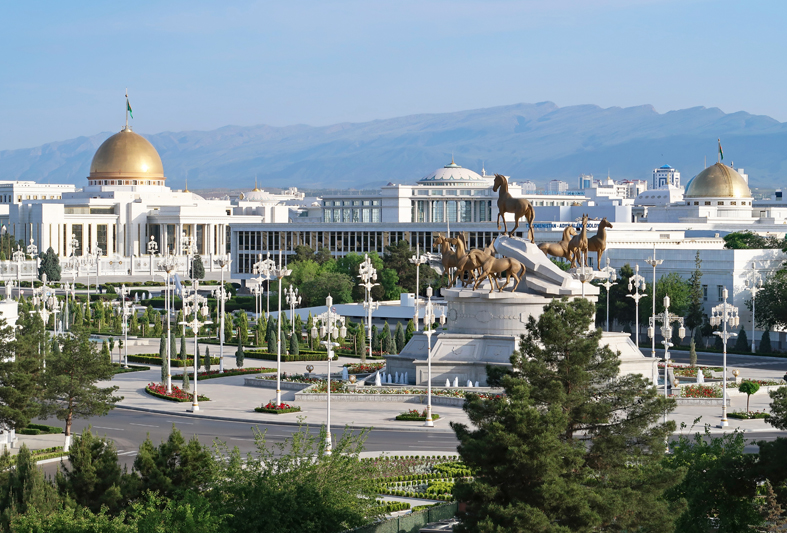
Ashgabat holds a Guinness record for the highest density of white marble buildings– golden domes, a 14-meter gold statue of the president that rotates to face the sun. The streets are eerily clean and empty.
Locals receive free electricity, gas, water, and salt. The price is political silence. Reporters Without Borders ranks Turkmenistan below North Korea.
Yet the Turkmen people are famously hospitable. Their handwoven carpets are Unesco treasures. The Akhal-Teke horse, with its metallic golden sheen, is a national obsession.
For Hong Kong travelers: harder to enter than North Korea. For investors: a locked door.
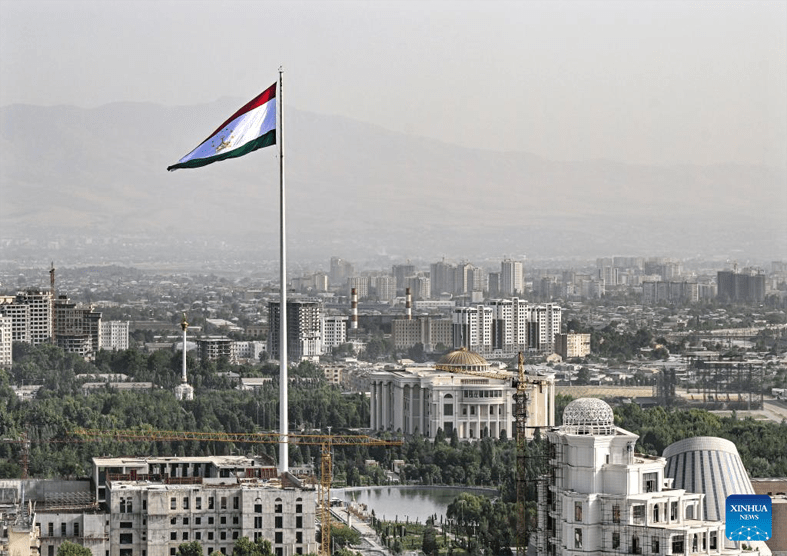
Tajikistan: the roof of the world – poorest of the Soviet heirs, richest in mountains and resilience
Tajikistan is the poorest of the former Soviet republics, with over 20 percent of GDP from remittances – mostly laborers in Russia. When the ruble trembles, Tajik families feel the earthquake.
The one bright spot is hydropower. The Rogun Dam, built with Chinese loans and World Bank guarantees, aims to power every home and export electricity to Afghanistan and Pakistan. If completed, it could transform Tajikistan from a remittance-dependent state into a regional power broker.
Tajiks speak Persian, not Turkic. Their culture looks to Iran and Afghanistan, not to Istanbul or Samarkand. A brutal 1992–1997 civil war killed over 50,000 people and displaced more than a million. The peace since has been fragile.
The Pamir Highway – one of the world’s highest roads, cuts through its remote region to Kyrgyzstan, Uzbekistan, and Afghanistan. Outside the capital Dushanbe, life has not changed much in a century: subsistence farming, strong green tea, and evenings reciting Persian poems. Women wear bright atlas silk.
Men offer bread so sacred that dropping a piece is a sin. Weddings last a week. Funerals empty villages.
For Hong Kong travelers, this is the trekker’s last frontier.