Once a hermit kingdom with sealed borders and a worthless currency, Uzbekistan has become the World Bank’s “top reformer” – and for Hong Kong investors, the play is gold, gas, and a youth bulge that needs jobs.
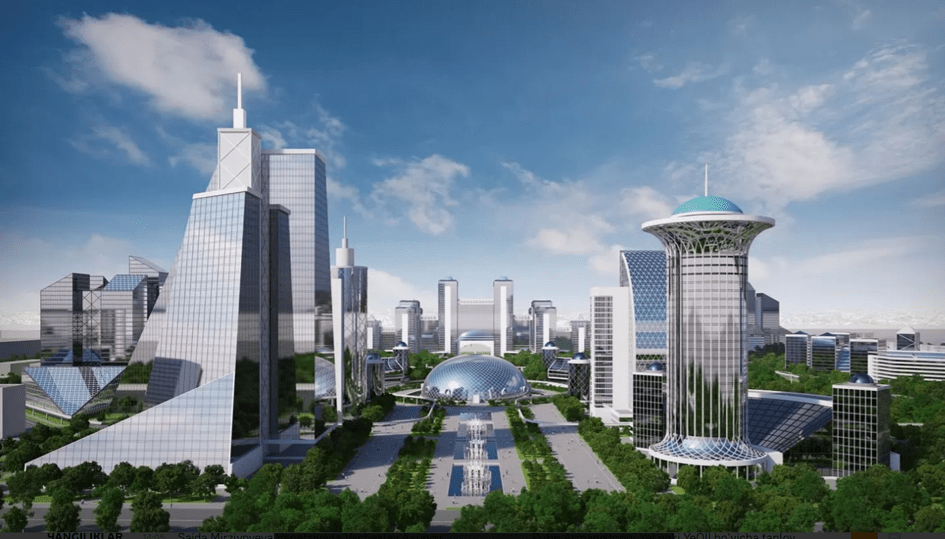
For decades, Uzbekistan was the hermit kingdom – state-controlled cotton and natural gas, a non-exchangeable currency, sealed borders. Since 2016, President Shavkat Mirziyoyev has liberalized the currency, courted foreign investment, and opened tourism. The World Bank has called it “one of the world’s top reformers.” Growth has averaged 5 to 6 percent annually. It is building Tashkent City, a modern financial district that contrasts with Soviet-era architecture, vast squares, and Timur statues.
This is a far cry from my experience exchanging a US$10 (HK$78) for a supermarket bag stuffed with Uzbek som in a restaurant in 2016. Today, the som is fully convertible.
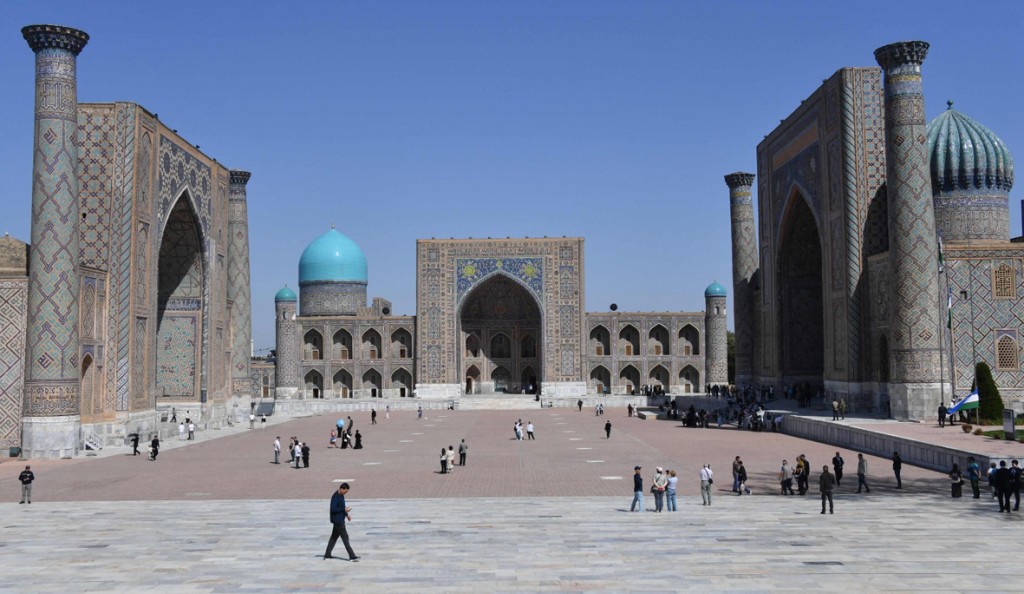
No country defines the Silk Road better. In the 14th century, Timur built an empire from Samarkand, covering it in turquoise domes. Beyond ties with China, the Mughal Empire – which ruled the Indian subcontinent for three centuries – was founded by the Uzbek prince Babur. The Soviets later turned the region into a cotton monoculture, leaving scars like the drying Aral Sea.
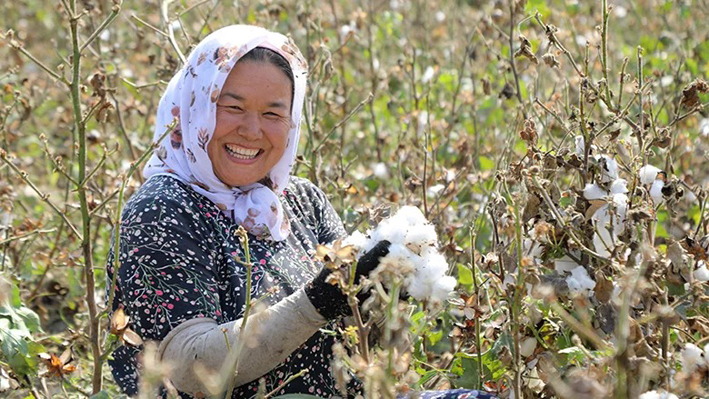
Uzbekistan is known for its cotton growth
Uzbekistan is the most populous and traditionally Muslim of the five. Extended families live in mahallas—neighborhood councils that mediate disputes and manage local budgets. During the cotton harvest, teachers leave classrooms, doctors abandon clinics. Bread is stamped with a chekich; each baker’s stamp is unique. An Uzbek proverb: “Respect for bread is respect for country.”
Young Uzbeks are swapping Russian for English and Turkish pop. The median age is under 30, drawing foreign factories to special economic zones. Last year, the national football team reached the Asian Cup knockout stage; each player received a BYD electric vehicle.
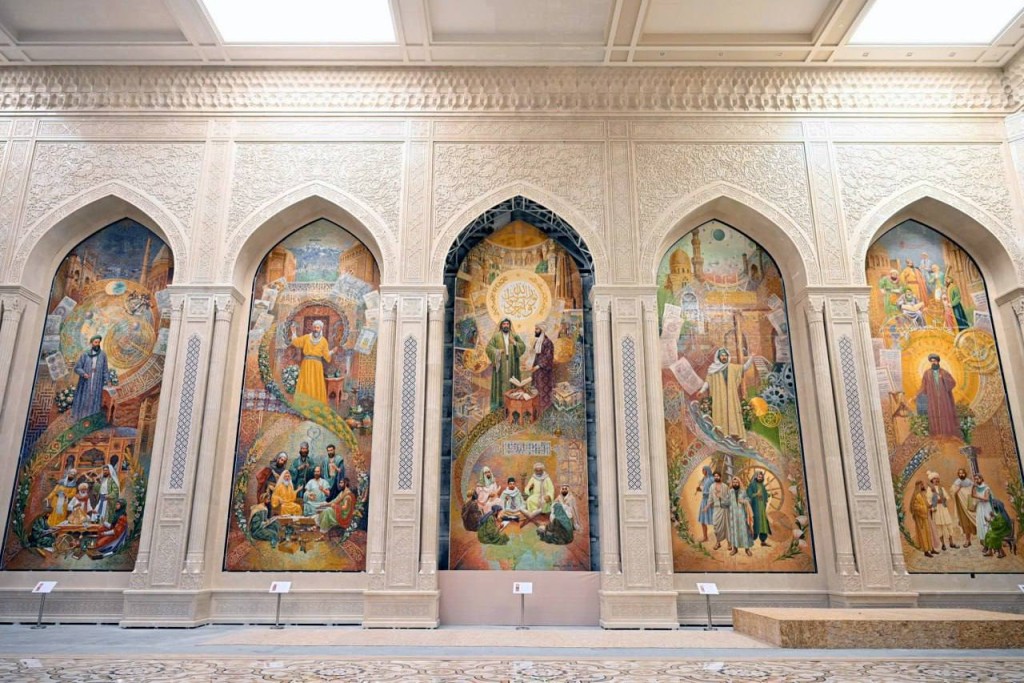
For Hong Kong travelers: original 14th-century tilework architecture in the three ancient cities of Samarkand, Bukhara, and Khiva.
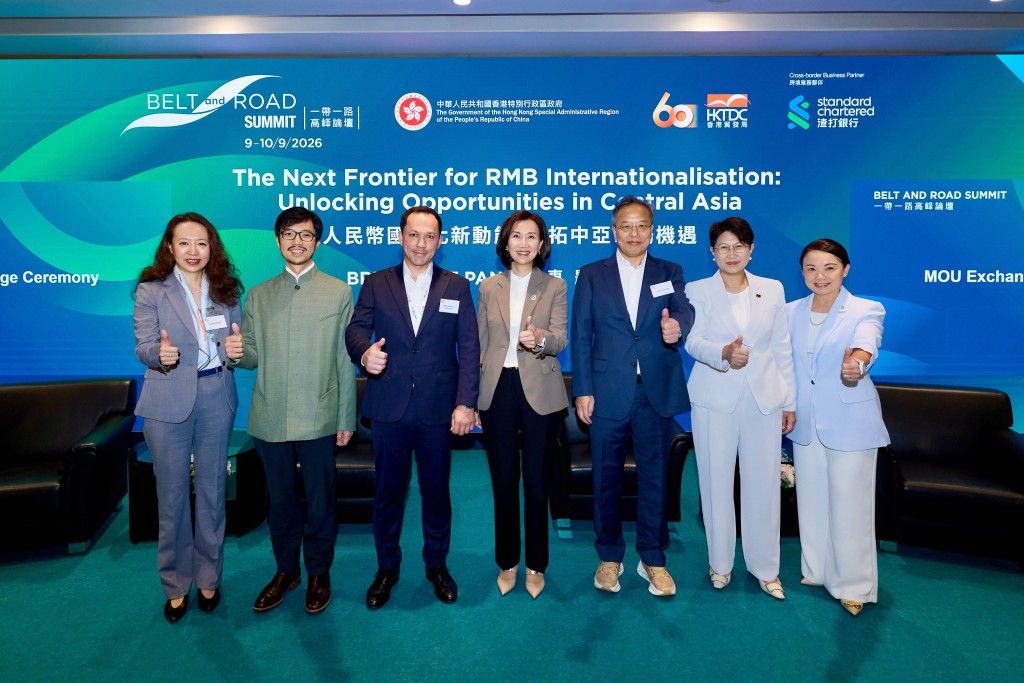
For Hong Kong investors: securitizing commodity trading, raising yuan for trade settlement, and infrastructure bonds.
An artist’s impression of Uzbek capital Tashkent.
Read more:
New Silk Road 2.0: HK to Central Asia
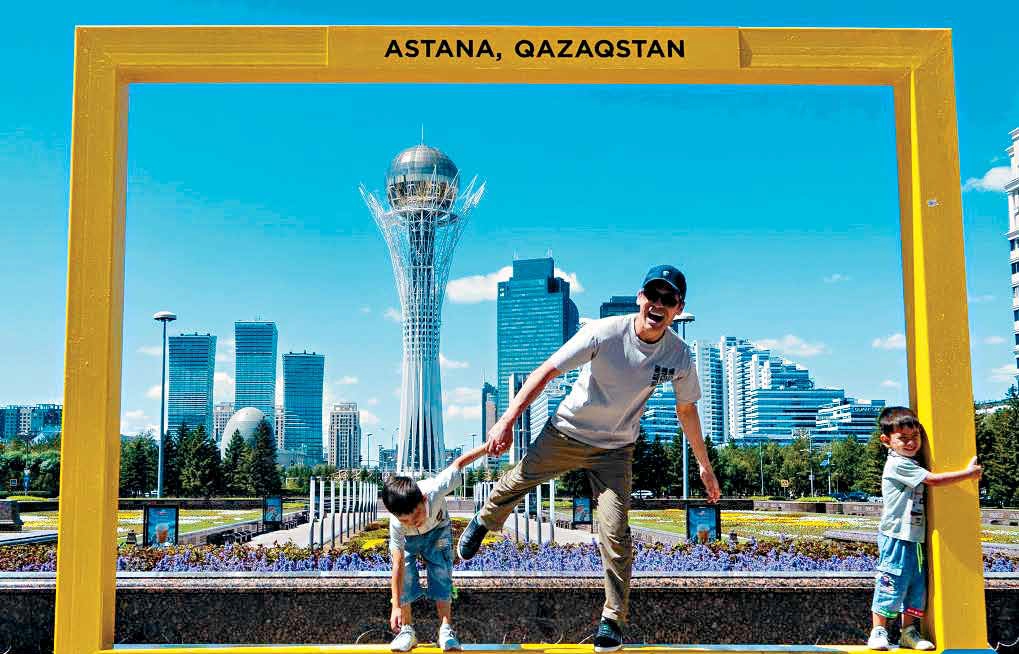
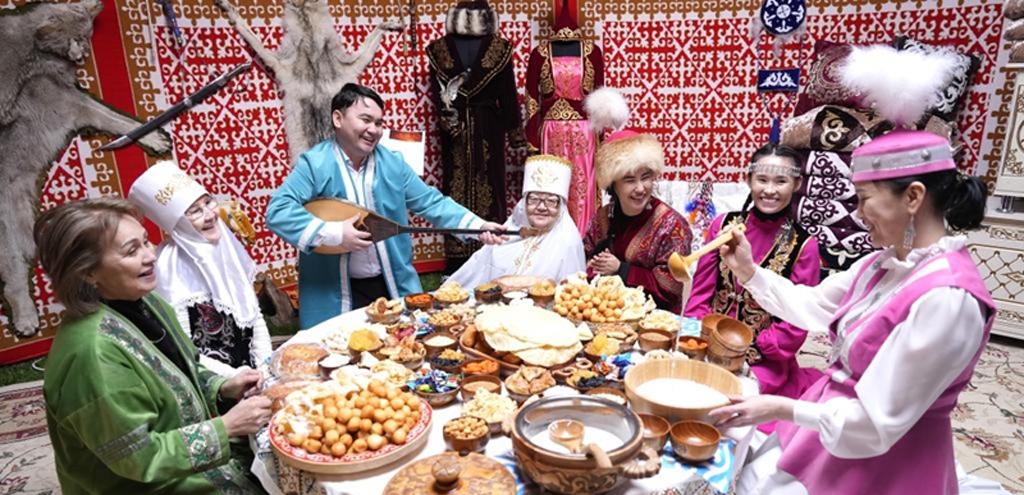
Kazakhstan: the business anchor – ‘Financial hub of the Caspian’
Kyrgyzstan: the most democratic – Switzerland of Central Asia
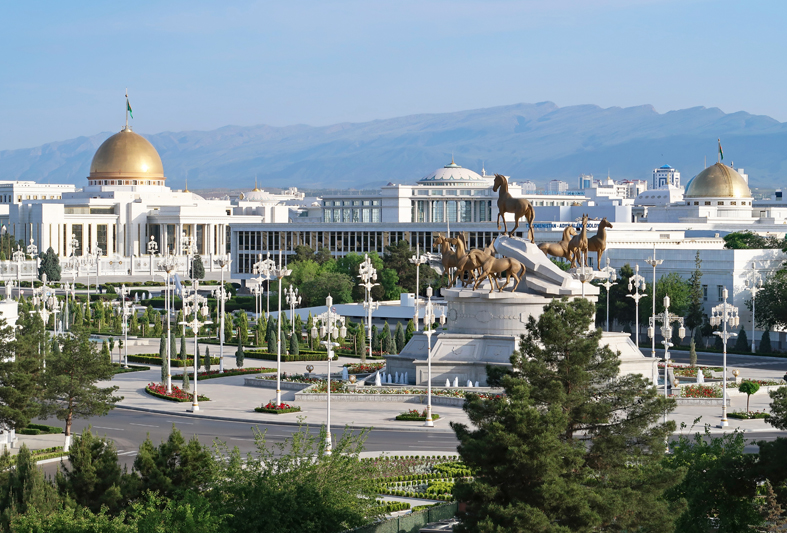
Turkmenistan: the locked door – gas-rich, marble-clad, and nearly impossible to enter
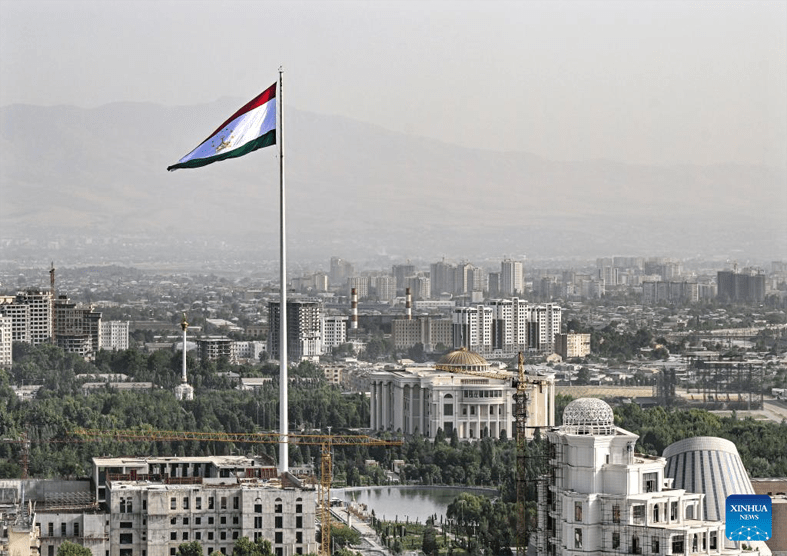
Tajikistan: the roof of the world – poorest of the Soviet heirs, richest in mountains and resilience