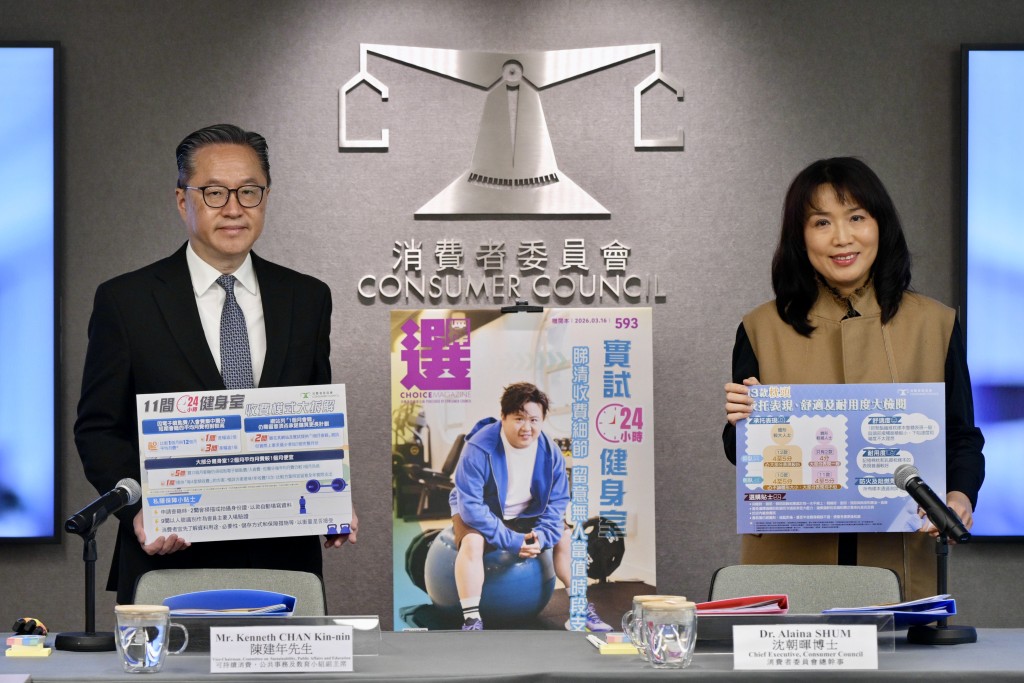
As citizens brace for a sweltering summer, a recent Consumer Council test found that energy efficiency among Grade 1 "1.5 horsepower (HP)" inverter split-type air conditioners can vary by as much as 33 percent.
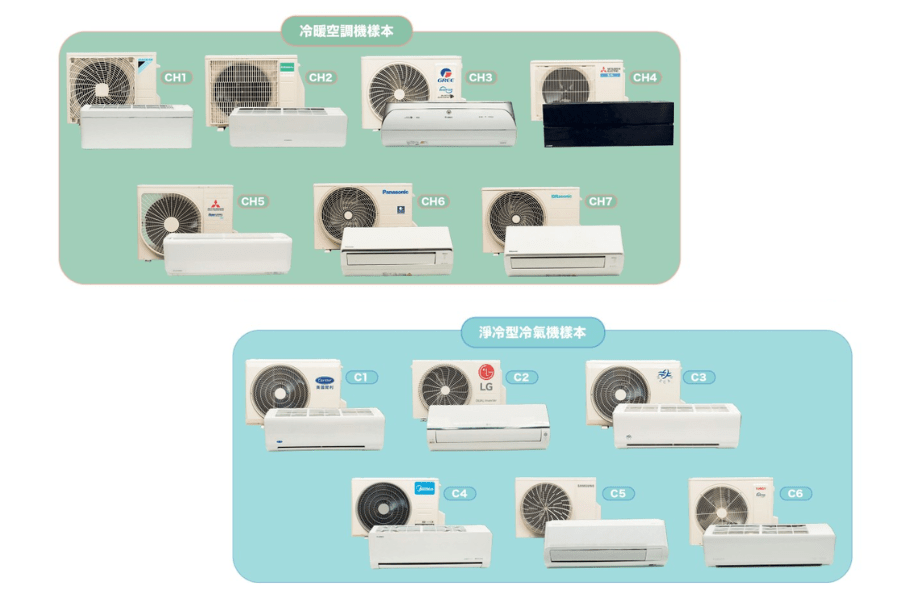
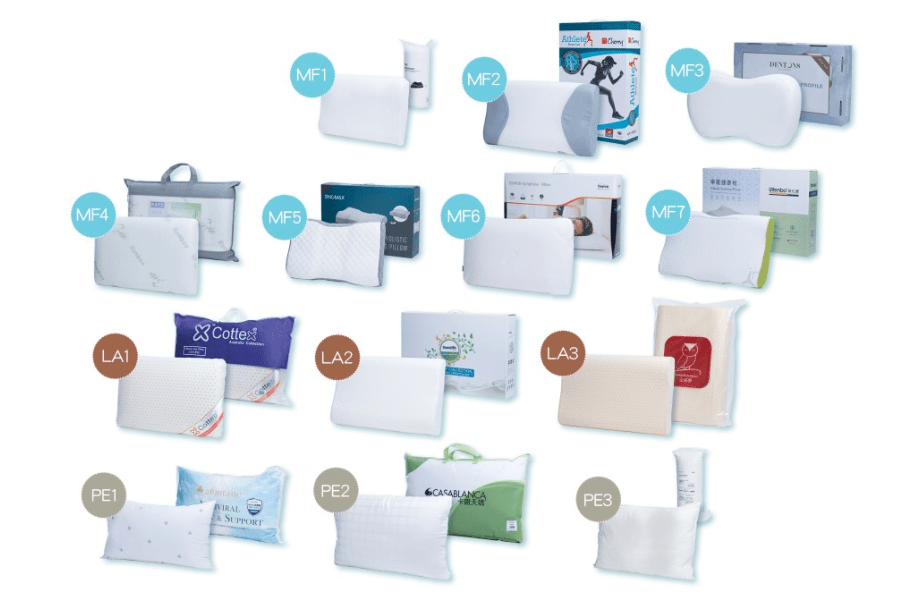
In joint tests with the Electrical and Mechanical Services Department (EMSD), a total of 13 models were tested. Among them, seven were reverse cycle air conditioners(RCAC) while the remaining six were cooling-only models, with prices ranging from HK$4,890 to HK$ 19,610.
Although all models carried a Grade 1 energy label, test results showed substantial performance differences, with cooling energy efficiency varying by up to 33 percent.
Notably, the highest performer in cooling was Mitsubishi Heavy Industries, scoring 7.51, while TOSOT was the least efficient at 5.06.
Among RCAC models, heating energy efficiency varied by 14 percent.
While all models passed safety tests, three units delivered 1 to 3 percent less measured cooling or heating capacity as they advertised.
However, the watchdog confirmed their discrepancies were within the 10 percent tolerance range permitted under the Mandatory Energy Efficiency Labelling Scheme (MEELS) and common international practice.
To help consumers understand long-term expenses, the Council estimated annual cooling electricity costs based on HK$1.6 per kWh.
Assuming operation for 12 hours per day for 180 days a year, the test models delivered an estimated annual electricity cost for cooling from HK$679 to HK$1,022.
Meanwhile, the annual electricity cost for heating is about HK$54 to HK$69 per year assuming operation of 12 hours per day for 25 days a year.
The Council called for strengthened grading standards to better reflect efficiency differences among air conditioners to help consumers make informed choices and promote sustainable consumption.
Alaina Shum Chiu-fai, Chief Executive of the Consumer Council, pointed out that the current energy efficiency standard was last updated by EMSD in 2014, believing the test can prompt the EMSD for a review.
Shum also advised consumers to look beyond the energy label and check actual power consumption before buying.
In response, the EMSD said technical discussions with the industry will begin this year to review the standards.