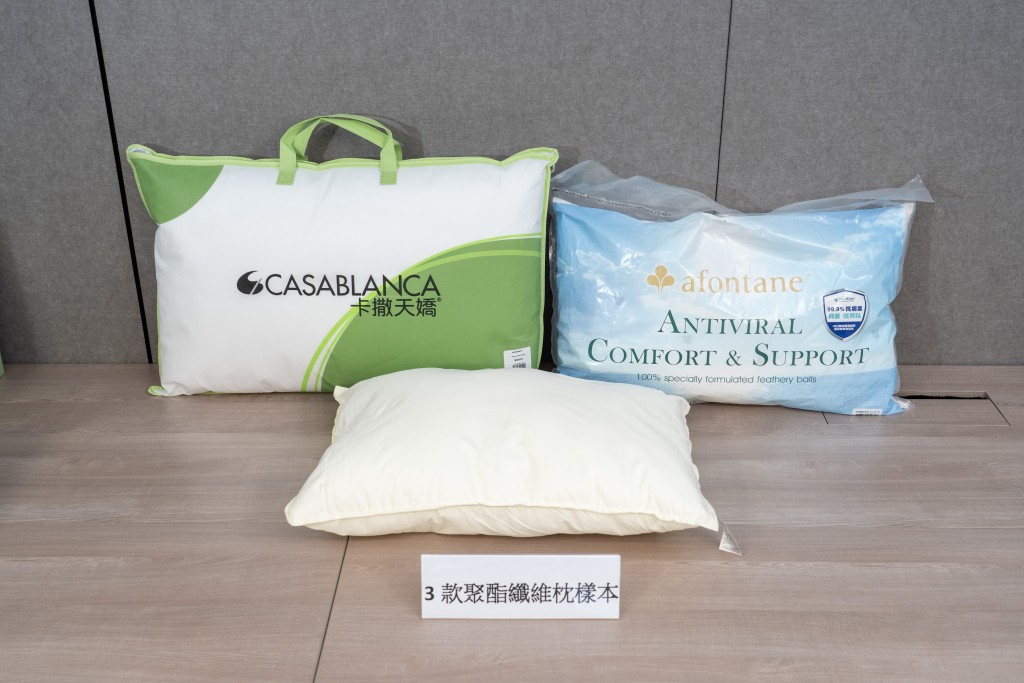
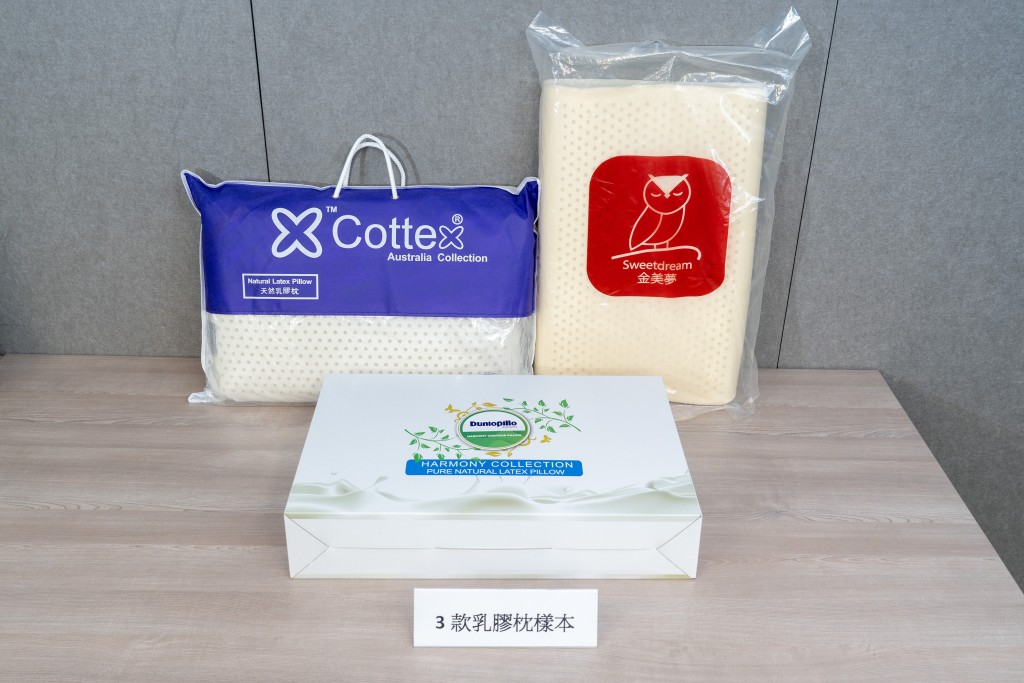
Polyester pillows, while cheaper, are less durable than memory foam or latex alternatives, requiring more frequent replacement, according to a Consumer Council test of 13 models.
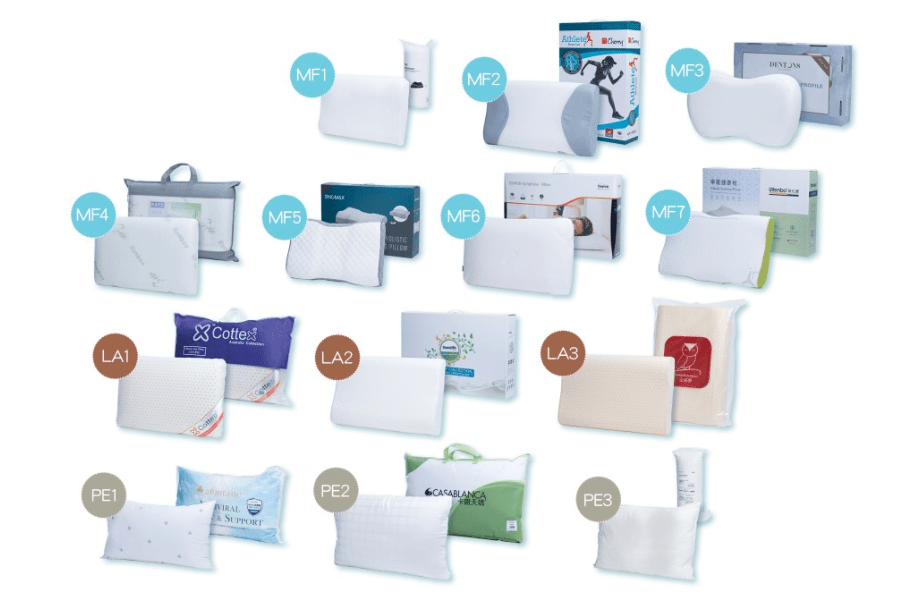
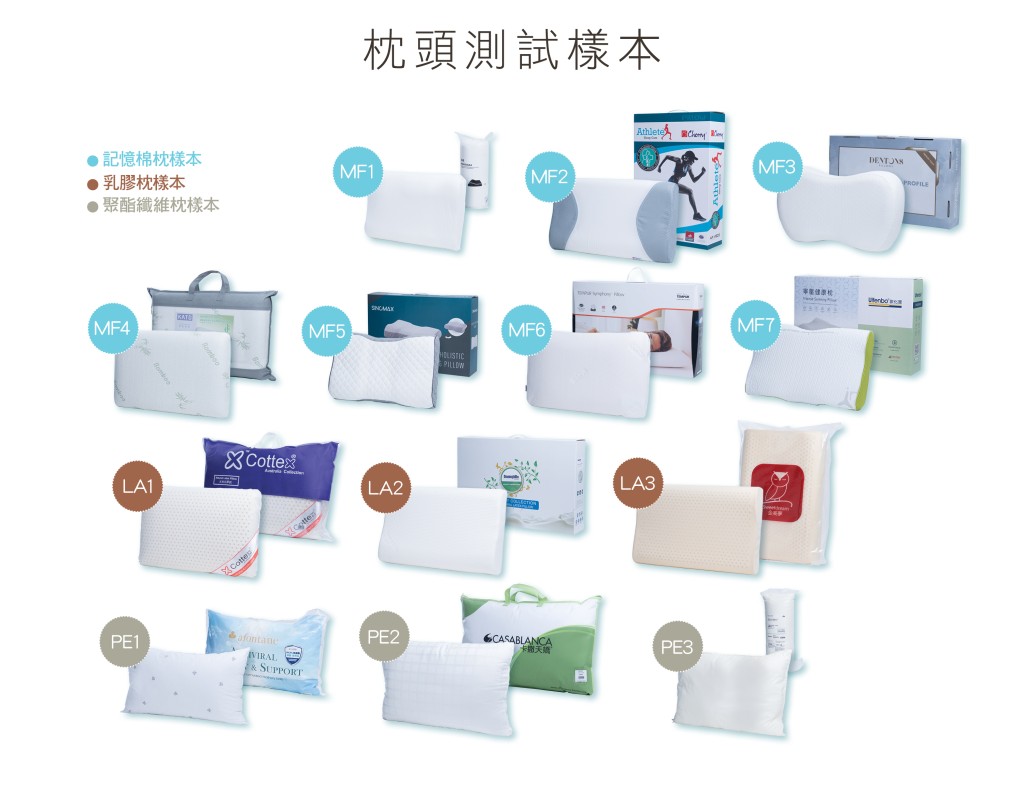
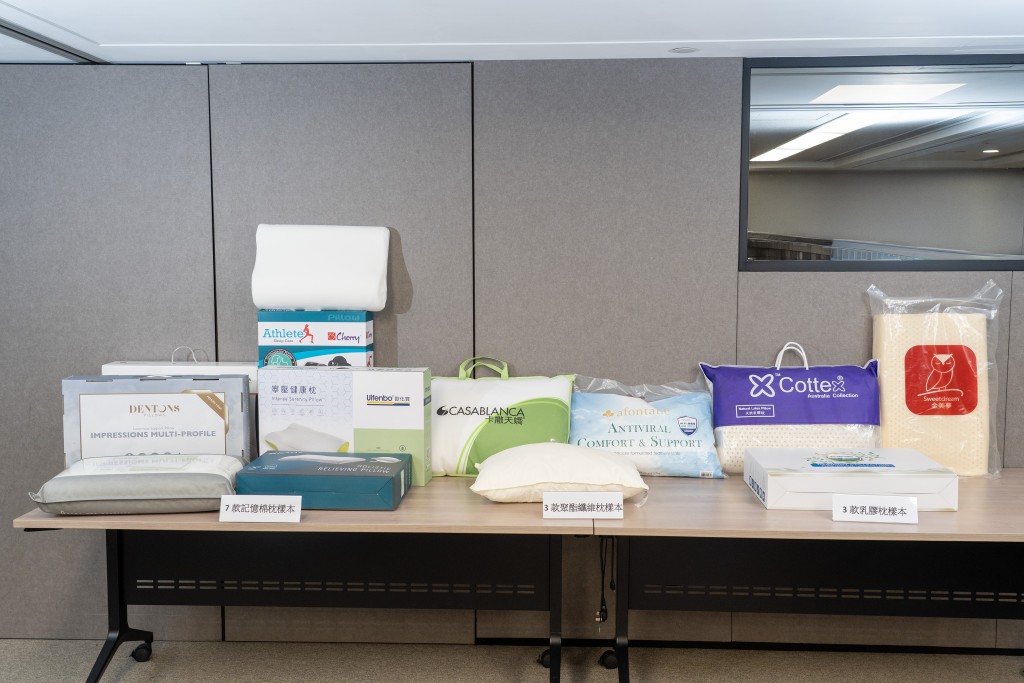
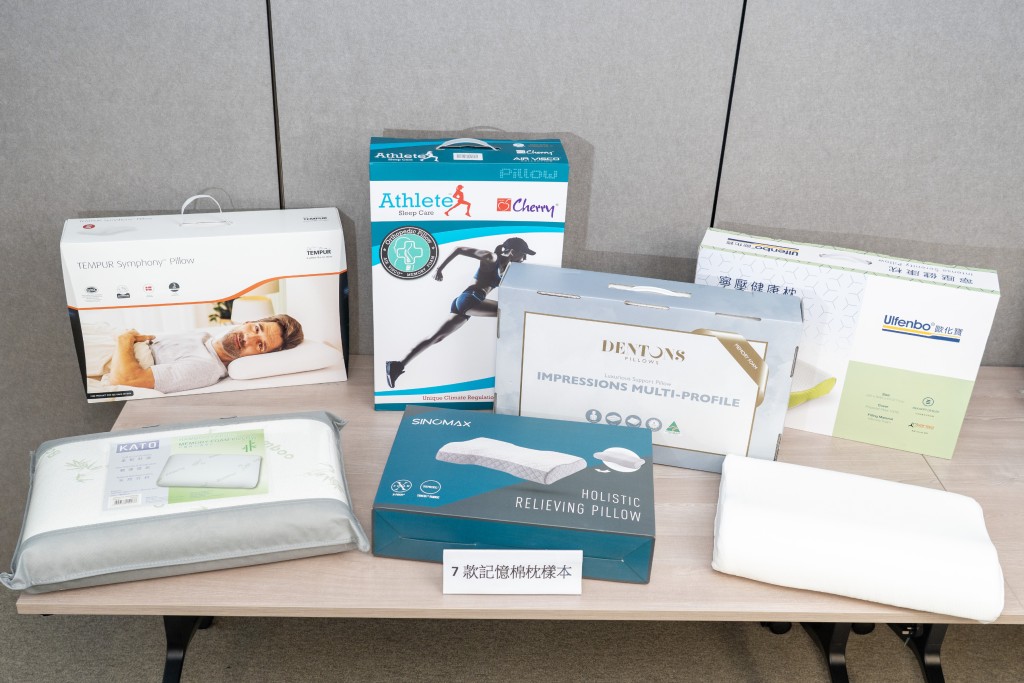
The tested products included seven memory foam, three latex and three polyester pillows, with prices ranging from HK$79.9 to HK$1,688.
Conducted by a European laboratory specializing in ergonomics, the durability tests showed that memory foam and latex pillows generally performed well, scoring 4 points or above.
Meanwhile, most polyester pillows scored between 3.5 and 4 points, indicating their likely need for more frequent replacement–meaning they will likely need more frequent replacement.
Given their lower price point, the watchdog noted that this offers consumers flexibility to choose according to personal needs.
Nevertheless, the overall quality of the models was strong, with nine scoring 4 points or above. All passed flammability and flame-retardant content tests with satisfactory results.
Most models also performed well in comfort, with 12 scoring 4 points or above. Only 1 polyester pillow model scored 3 points due to inadequate contact area with the head and slower compression speed and depth.
Side and back support
Despite different materials and designs, the watchdog reveals that most tested models provided good side support for users of varying body sizes, with eight models scoring 4 points or above for larger and smaller users.
However, three models performed slightly subpar, with two scoring 3.5 points or below across both body types.
In back sleeping tests, most models provided better support for larger users, with 12 scoring 4 points or above. However, support for smaller users was generally average, with only two models scoring 4 points.
With contact areas affecting comfort, it is recorded that all models demonstrated fair pressure distribution, achieving scores above 4 points, providing relatively even support for sleepers in various positions.
Humidity levels varied among the samples, ranging from 48.5 percent to 66.9 percent, with two memory foam pillows recording higher levels at 59.1 percent and 66.9 percent.