Read More
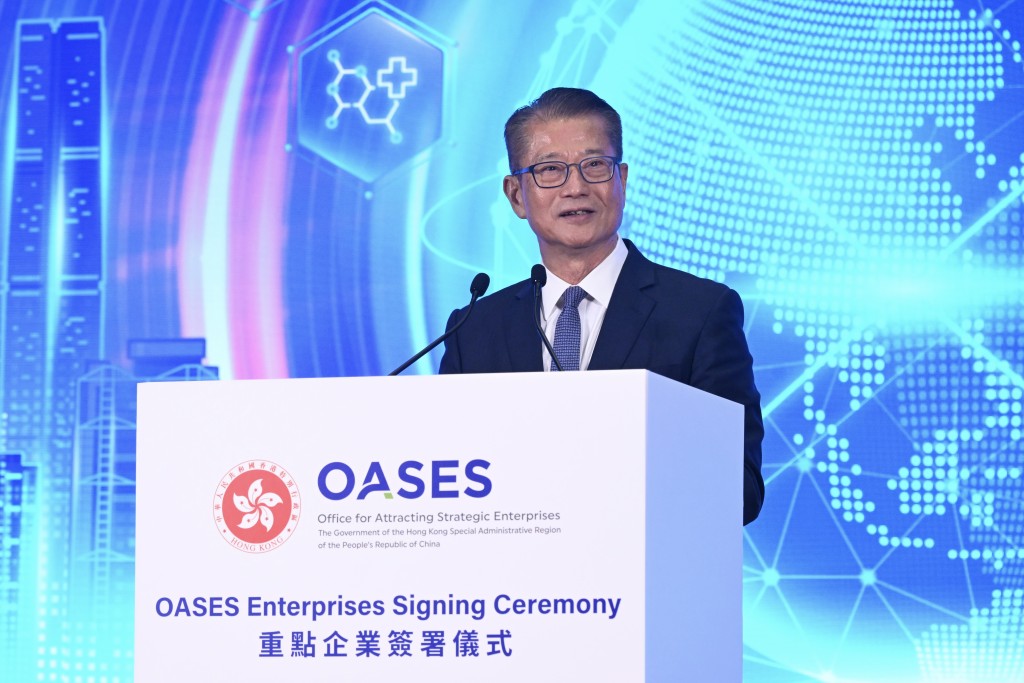












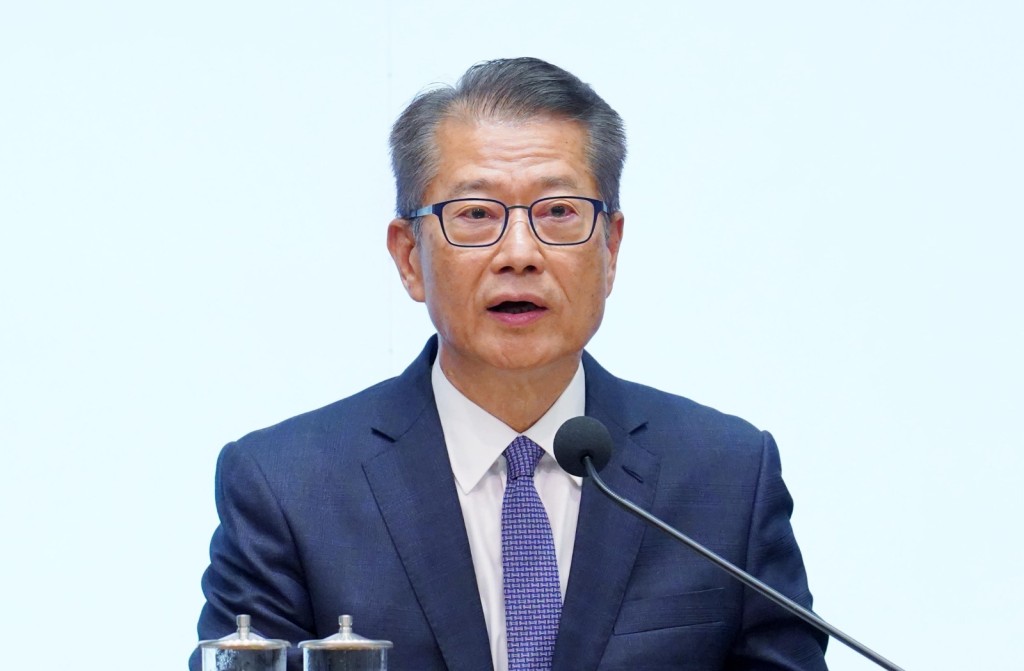
Hong Kong’s economy experienced robust growth in the first quarter of the year, with gross domestic product (GDP) expected to surge 5.9 percent year-on-year — the fastest pace since mid-2021. Financial Secretary Paul Chan Mo-po said the expansion was mainly driven by strong exports, even as global trade tensions persisted.
Speaking on a radio program, Chan noted that a significant portion of these exports consists of AI-related hardware and communication equipment, describing the trend as highly encouraging.
He expressed confidence that the Task Force on Supporting Mainland Enterprises in Going Global will be well-received as businesses seek to tap into international markets.
On investment, the first quarter recorded a notable growth of 17 percent, a sharp departure from the low-to-single-digit growth seen in recent years.
Chan noted that this surge reflects a positive market sentiment, with capital primarily directed toward machinery procurement and construction-related projects. He added that as the property market stabilizes and shows signs of improvement, the recovery momentum within the construction sector is expected to strengthen.
While the Q1 growth figure is solid, he warned of lingering geopolitical risks and potential black swan events, urging caution as economists prepare to release updated forecasts.
To address the technological shift, the government will roll out citywide AI training programs to help residents enhance daily life efficiency and assist businesses in upskilling staff, rather than cutting headcounts amid the AI wave.
Acknowledging a sentiment gap across industries despite upbeat economic data, Chan said the government will host more major events to boost consumption, grassroots employment and the catering sector. He added that leading mainland firms and overseas companies are keen to expand in the Northern Metropolis, which is set to deliver broader social benefits.
On financial markets, Chan highlighted that the Hong Kong stock market rose by 18 percent between September and the end of 2024, followed by a 28 percent increase last year. He described the investment climate for the current year as positive, with a diverse capital base: 40 percent of funds originate from Europe and the United States, 30 percent from the Southbound Scheme, and the remainder comprises significant shares from local, Southeast Asian, and Middle Eastern investors.
He said authorities are reviewing enhancements to the weighted voting rights regime to facilitate listings and boost market liquidity.
Chan also noted that the shift of economic influence from the West to the East has become a long-term structural trend, with many Western investors now realizing they have undervalued Asian markets.
He said Hong Kong’s recent capital inflows have outpaced outflows, emphasizing that the city must continue attracting premier global companies to list locally, further strengthening its position as a leading international financial hub.
He called for closer connectivity among Asian exchanges, positioning Hong Kong as a bridge between mainland and international standards.
Meanwhile, the Hong Kong Investment Corporation has backed over 200 projects with its HK$60 billion seed capital, catalyzing around HK$500 billion in related investment, and is poised to act as a guide for overseas sovereign funds seeking long-term opportunities in the city.