Read More


Night Recap - June 24, 2026
1 hour ago




Eric Tsang and his daughter pocket 8pc profit on The Cliveden home sale
23-06-2026 15:13 HKT


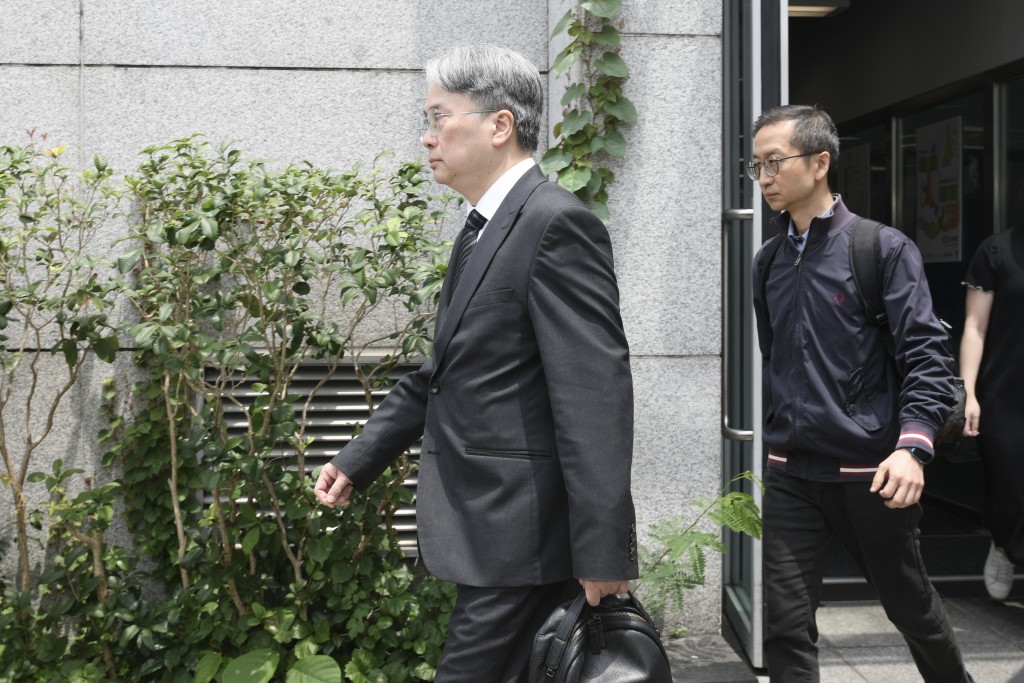
The former head of the Housing Bureau’s Independent Checking Unit admitted that its oversight system had relied largely on complaints and contractor self-regulation before the Wang Fuk Court fire, saying the incident exposed previously undetected weaknesses.
Giving evidence on Friday at the Wang Fuk Court fire hearing, Lau Fu-kwok said he “did think about” improving the system during his tenure, but acknowledged that the prevailing mechanism depended mainly on public complaints and industry compliance.
Lau, who joined the Independent Checking Unit in January 2022 and became its head in July the same year, oversaw the team throughout the major maintenance works at Wang Fuk Court before stepping down earlier this year.
Under questioning by counsel to the hearing, Jason Yu Hong-ting, Lau said the unit had been working within an established framework prior to the fire and had not anticipated problems of such scale.
He agreed that it was ultimately the fire that brought systemic shortcomings to light.
Pressed on whether the unit had been overly reliant on external reporting, Lau said that under the mechanism at the time, reliance on complaints and self-discipline “felt sufficient.”
The hearing was told that the unit was responsible for overseeing safety at subsidized housing developments such as Wang Fuk Court under powers delegated by the Buildings Department. While required to follow official guidelines, Lau said the unit could raise issues with policy authorities when necessary.
He rejected suggestions that the unit had simply followed the Buildings Department’s policies without independent judgment, but agreed it bore primary responsibility for ensuring safety at the estate.
The hearing also examined why unauthorized openings in emergency staircases had not been detected. Lau said no complaints had been received at the time.
Yu challenged this explanation, suggesting inspection staff had not accessed certain areas and therefore failed to identify irregularities.
He then questioned whether relying on residents—who may lack technical knowledge—and contractors, who would be unlikely to report their own violations, amounted to an unreasonable system.
Lau acknowledged that the system had “some blind spots” and said it was not easy to detect construction safety issues under the previous arrangements.
He maintained, however, that the scale of the deficiencies only became apparent after the fire, and that such large gaps had not been identified beforehand.