






Read More



Night Recap - June 23, 2026
9 hours ago

Two arrested after bank staff spot 24 fake $100 bills in Mong Kok
22-06-2026 18:47 HKT


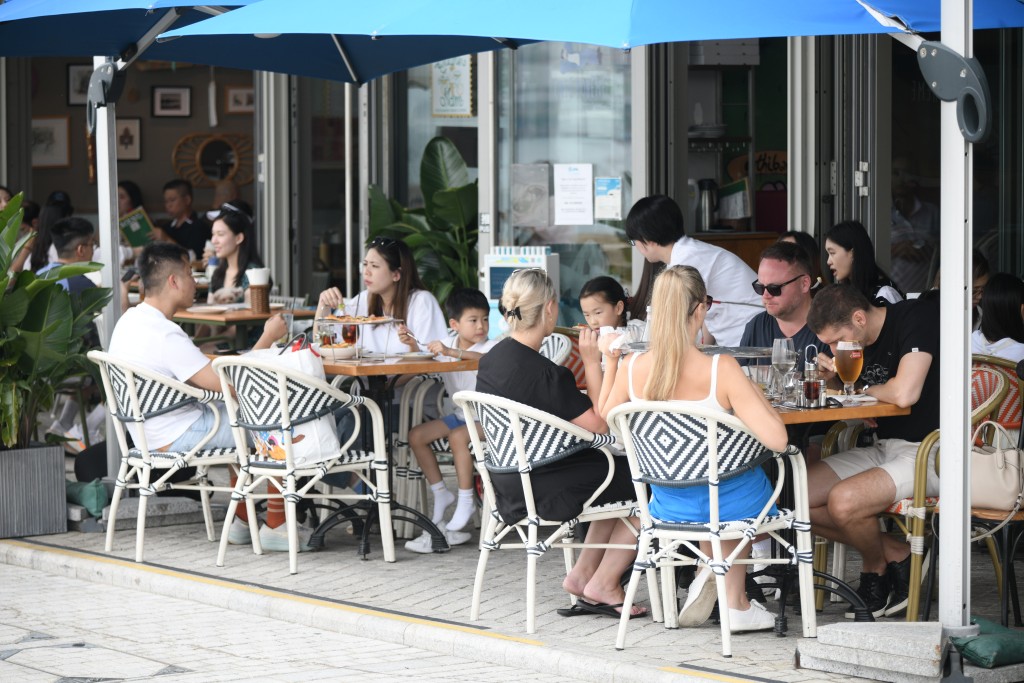
A non-binding motion urging the government to promote tourism through dining was passed by the Legislative Council (LegCo) on Thursday, with lawmakers calling to add cultural elements to the menu.
Proposed by catering sector lawmaker Jonathan Leung Chun, the motion has received majority support from over half of the chamber.
Speaking at LegCo this morning, Leung highlighted the indispensability of the relationship between the catering and tourism sectors, suggesting the government leverage tourism resources alongside Hong Kong's culinary scene to create diverse travel experiences.
He highlighted Hong Kong's unique position as a melting pot of Eastern and Western cuisines, suggesting that this culinary diversity could serve as a major draw for high-spending tourists.
By leveraging local dining resources, he believes the city can encourage visitors to extend their stays, increase their local spending, and firmly cement Hong Kong's reputation as a premier international food capital.
While welcoming the motion, lawmaker Kazaf Tam Chun-kok from the New People's Party stated that the key to capturing the hearts of tens of millions of tourists is to continuously understand their evolving needs and desires.
Beyond the proposed framework, Tam further recommended the integration of cultural elements, identifying the developing Northern Metropolis as a prime area for this integration.
He pointed to the Northern Metropolis Urban-Rural Integration Fund, urging authorities to discover unique culinary resources across the urban area and suggesting the conversion of village houses into specialty restaurants or guesthouses for visitors to enjoy the surrounding natural ecology and cultural sites.
“This would allow visitors to step into the countryside and enjoy an authentic ecological dining experience," he said.
He also urged the government to conduct early planning of cultural and dining facilities around the Sha Tau Kok Boundary Control Point and the opening of restricted areas.
For instance, he proposed linking Hakka cuisine in Wo Hang and snacks in Kuk Po with eco-tours to Ap Chau and Lai Chi Wo, transforming Sha Tau Kok from a passageway into a cultural dining destination.
Taking a logistical approach, lawmaker Lee Kwong-yu highlighted the necessity of smart tourism strategies that seamlessly connect attractions, hotels, and restaurants.
He pointed to the ticket stub economy model currently popular in mainland China, where a single event ticket serves as a catalyst for additional spending across various sectors.
Lee urged the government to take localized promotional efforts, such as recent ticket-based discounts in the Wan Chai bar district, and expand them into a comprehensive, city-wide ecosystem to maximize visitor convenience and economic impact.
Echoing the lawmakers' views, Under Secretary Raistlin Lau Chun welcomed the motion, stressing the importance of industry support and promotions for the vision to come true.
He expressed confidence that Hong Kong's status as an international culinary hub would be enhanced with continuously improving food quality and service standards in the catering industry.