Read More







Night Recap - May 25, 2026
6 hours ago

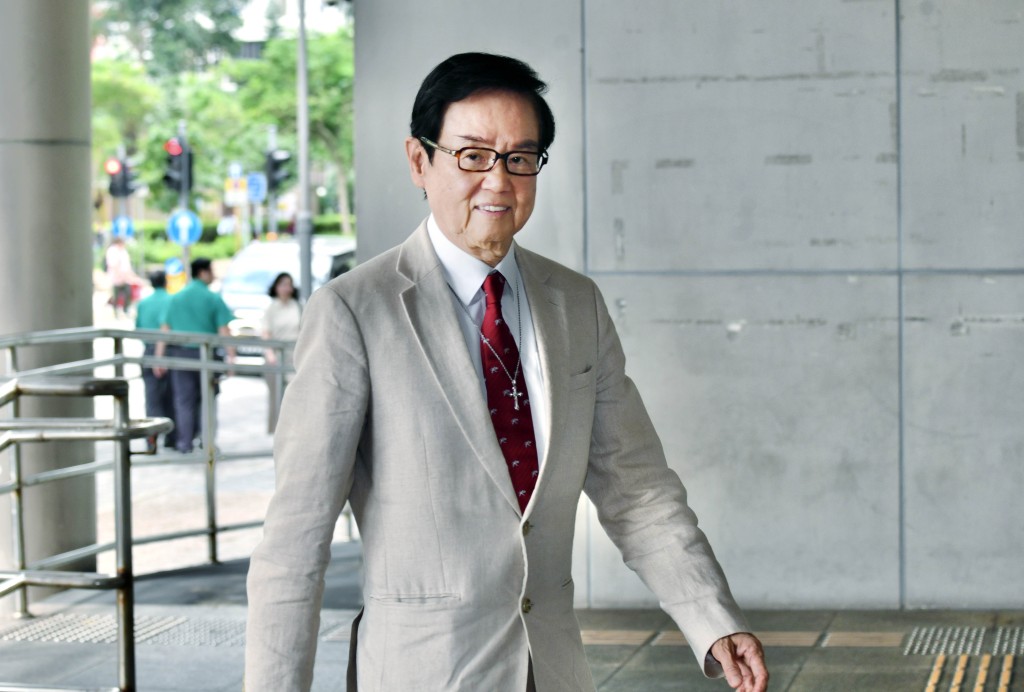
HK movie producer Raymond Wong Pak-ming convicted of insider dealing
22-05-2026 17:10 HKT
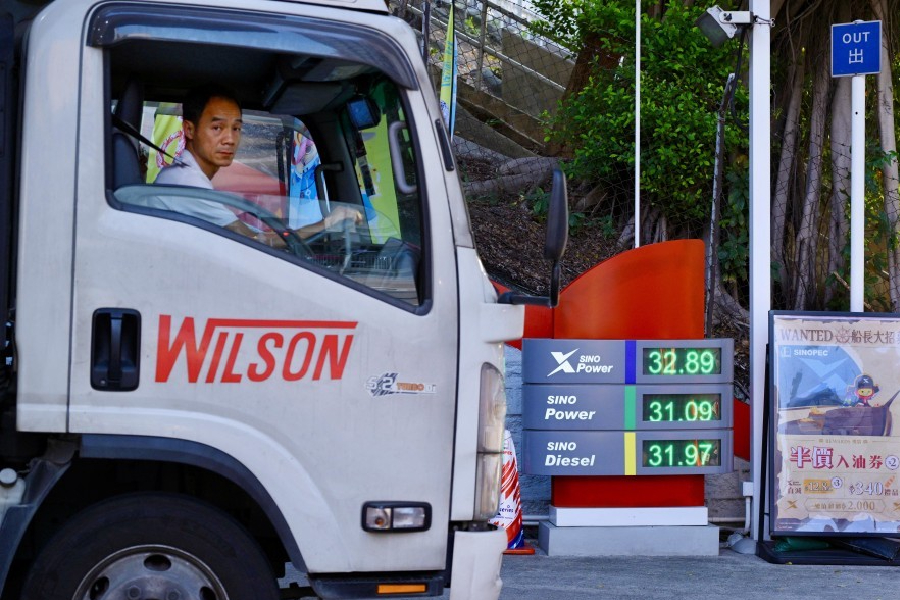
The Hong Kong government is seeking HK$1.8 billion in funding for a proposed diesel subsidy for commercial sectors, but the plan was met with skepticism from legislators who fear the money will be absorbed by oil companies rather than benefiting businesses and consumers.
The administration has proposed a HK$3 per liter subsidy for diesel used in commercial vehicles and vessels and on Friday asked the Legislative Council's Finance Committee to approve the HK$1.8 billion required.
During the meeting, several lawmakers expressed strong reservations, worrying that fuel suppliers would not pass the savings on to customers.
Lawmaker Chan Siu-hung questioned how the government would prevent the subsidy from ending up in the pockets of oil companies.
He and others, including Kazaf Tam Chun-kwok and Cheung Pui-kong, pointed to a long-standing public perception that pump prices rise much faster when global oil costs increase than they fall when costs decrease.
Multiple members of the council pressed the government on how it would ensure the subsidy effectively relieves the burden on industries that rely heavily on diesel, such as transport operators and even large-scale laundry services.
They also questioned the calculation behind the HK$1.8 billion estimate and urged for greater transparency in how fuel prices are determined, with some suggesting a study on price regulation.
In response, government officials insisted they have the means to monitor fuel companies.
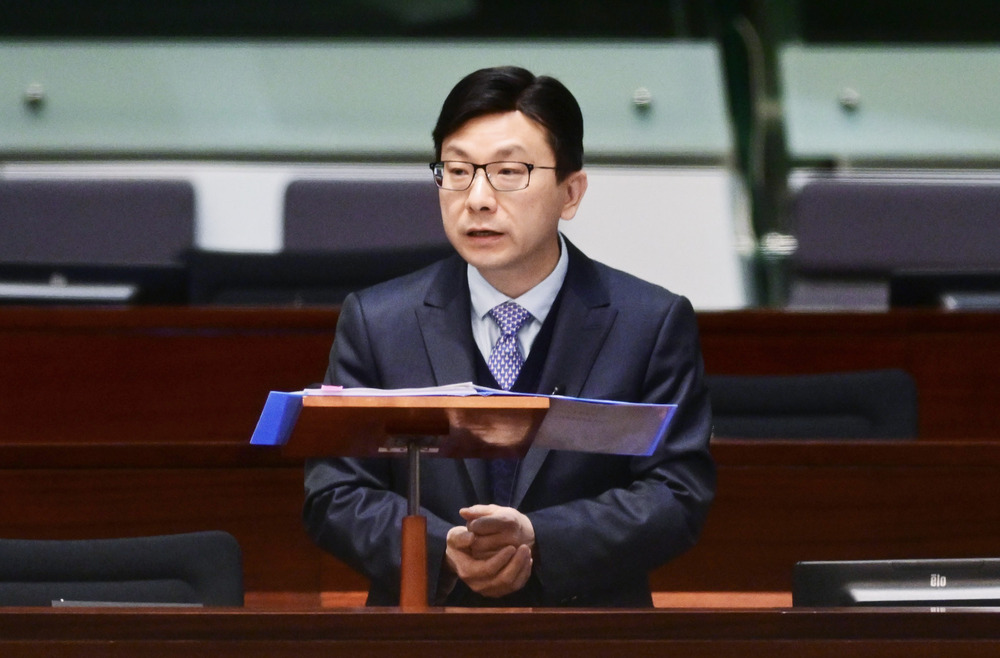
Acting Financial Secretary Michael Wong Wai-lun and Secretary for Environment and Ecology Tse Chin-wan reassured the committee that they are highly concerned about the potential for price-gouging.
Tse explained that authorities have access to the import prices paid by oil companies, giving them a clear view of their cost structures and enabling them to ensure the subsidy is passed on.
Regarding calls to regulate the market, Tse argued that now is not the right time, as Hong Kong’s market-driven fuel supply could be jeopardized by abrupt changes during a global energy crisis.
He also noted that previous investigations by the Competition Commission have not found evidence of collusive price-fixing among oil firms.
Tse addressed the "quick to rise, slow to fall" criticism by explaining the difference between crude oil and the refined oil products sold in Hong Kong.
He clarified that local pump prices are linked to refined oil costs, which do not always move in tandem with the widely reported crude oil prices, creating a lag that the public perceives as unfair.
Wong concluded by stating that once the funding is approved, the government will work with the oil companies to implement the subsidy as quickly as possible.