





Read More




Night Recap - April 2, 2026
2 hours ago


HK braces for natural gas shortage
15 hours ago

Six senior counsel appointed
31-03-2026 13:54 HKT
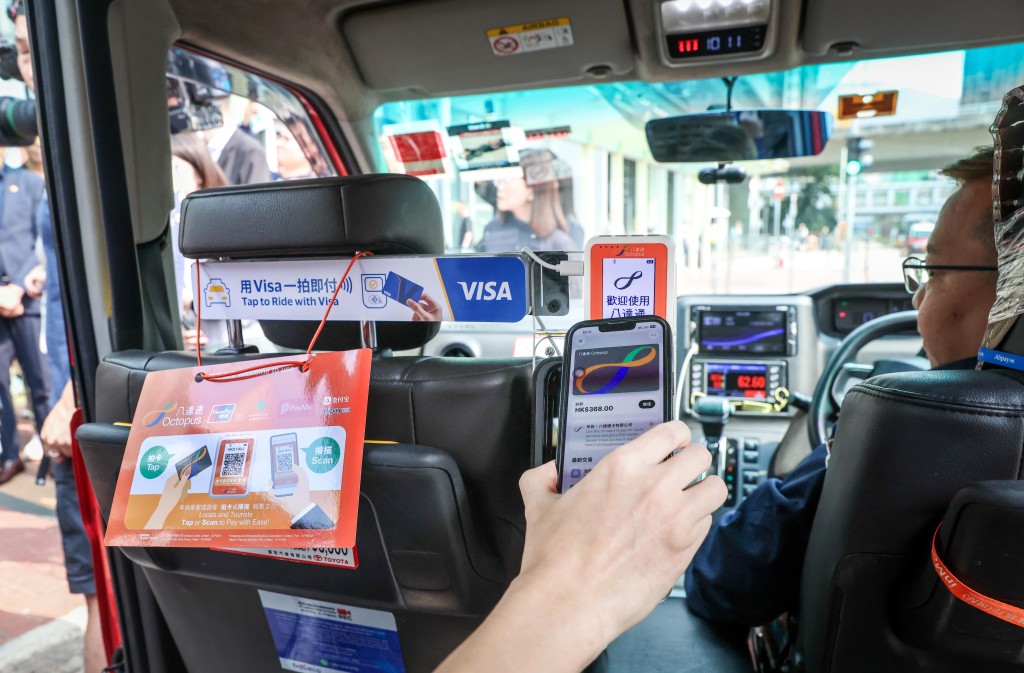
A new mandate requiring all Hong Kong taxi drivers to offer at least two forms of electronic payment has hit a speed bump just one day after its implementation, as a controversy erupts over a three percent transaction fee being passed on to passengers.
The new regulations, which officially took effect yesterday, were designed to modernize the city’s taxi industry and provide more convenience for commuters.
Surcharge controversy clouds launch
However, the rollout has been clouded by the discovery that certain payment platforms are adding surcharges to fares.
Chau Kwok-keung, chairman of the Hong Kong Taxi and Public Light Bus Association, explained that these fees are levied by integrated payment service providers.
While standard credit cards and digital wallets typically charge merchants a smaller percentage, the "DASH" system currently used by many taxis charges a three percent fee to cover its own operational costs and the commissions owed to credit card companies.
Regulatory gray areas and "meter-only" rules
The legality of passing these costs to the public remains a gray area. While some major credit card companies have policies against merchants transferring service fees to customers, the government has not issued an explicit ban on the practice.
Although the Transport Department maintains that taxis should charge according to the meter, industry leaders suggest that an additional service fee might not technically violate these regulations.
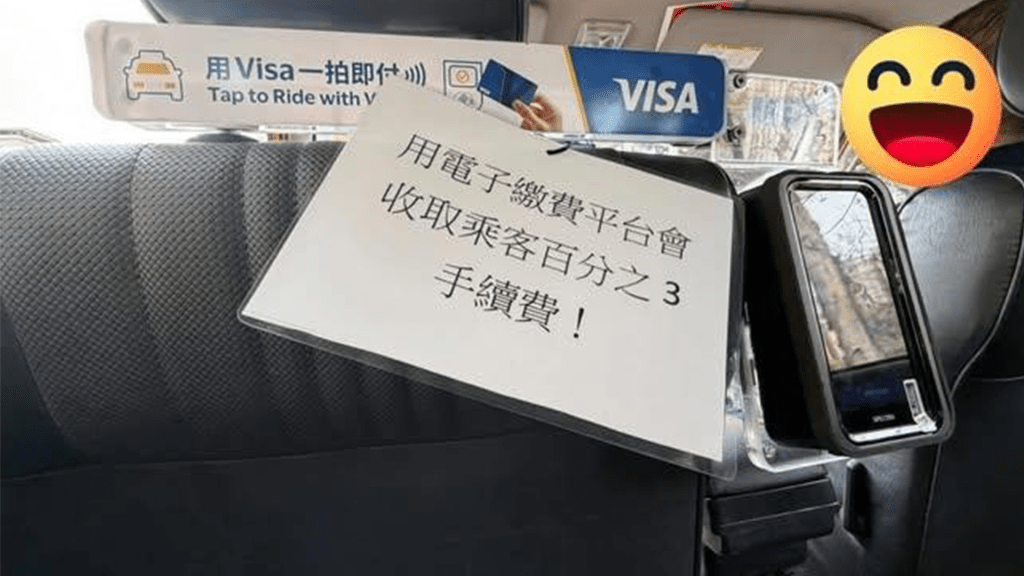
Some drivers have already begun posting notices in their vehicles to inform passengers of the extra charge in an effort to avoid disputes.
Market competition and platform choices
Market competition is currently shaping how these fees are applied. While the "DASH" platform is used by over a thousand drivers due to its affordable equipment costs, a rival platform called "Wonder" has become more popular by offering fee-free transactions.
By the end of March, nearly 3,000 "Wonder" terminals had been installed across the city.
Industry representatives believe that such surcharges are a global trend seen in countries like Singapore and Vietnam, arguing that the variety of service models will eventually benefit the public through increased choice.
Technical hurdles and connectivity blind spots
Beyond the cost, technical hurdles such as poor network reception at border checkpoints and remote areas like the Peak continue to pose challenges for cashless travelers.
While some platforms struggle with signal issues, others have developed better backend technology to process payments in connectivity "blind spots."
For now, passengers are advised to carry some cash as a backup or use mobile apps provided by drivers when network signals are unstable.
Moving forward, car owners and drivers are being encouraged to choose payment platforms that offer the best balance of network reliability and fair pricing.